Farm Tour: Swiss Breakfast & Cheese Making - Interlaken
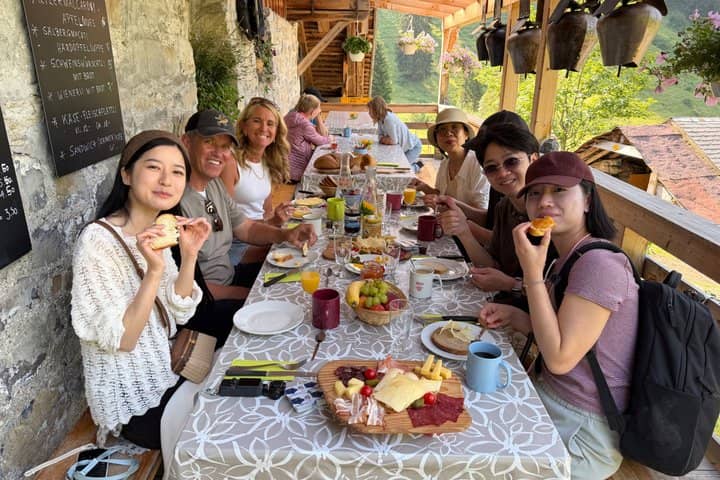


Above Lake Thun, Daniela is making cheese this morning whether you come or not. Sit at her table for breakfast, then watch her work the copper cauldron with her own hands.
Quick Facts
Duration
4 hours
Difficulty
Easy
Group Size
1 - 8
Language
FR & EN
Available Times
08:00
Season
summer
From
Meeting Point
West Station, Adventure Hostel & Balmers
Trip Details
Itinerary
Pick up
35 minutes drive
Farm Tour
Swiss Breakfast & Cheese Making
Drop off
35 minutes drive
Information given as guidance. Itineraries may change.
You Might Also Like
Discover more amazing experiences
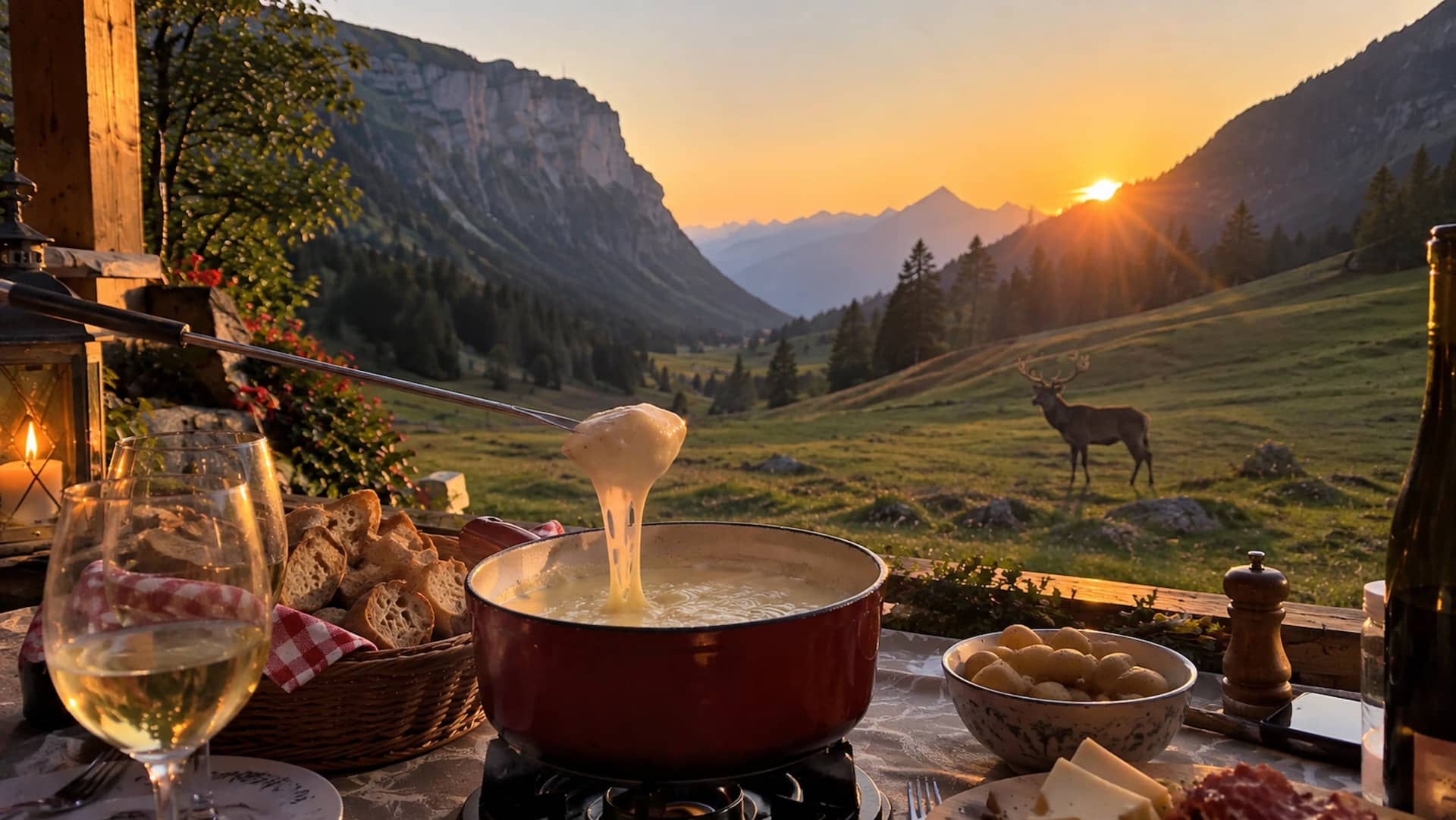
Sunset Fondue & Roaring Stags - Interlaken
For a few weeks each autumn, this valley roars. A walk up, a table outside, fondue while the sun leaves the ridge, and red deer calling across the Justistal the whole way back down.
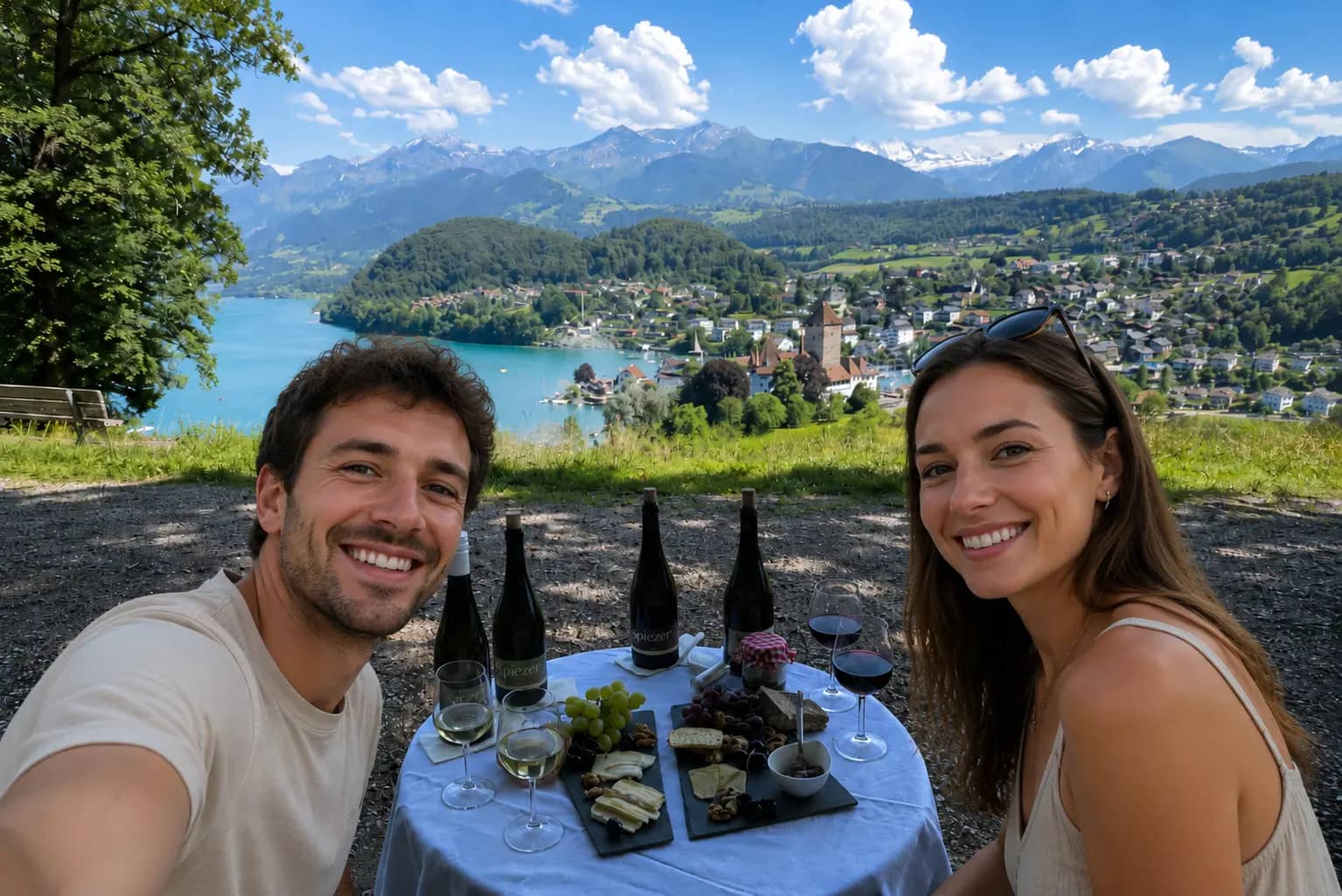
Scenic Wine Tour: Wine & Cheese Tasting - Interlaken
Wine is where the soul of a landscape meets the glass. Discover one of Switzerland's hidden gems on a scenic wine tour above Lake Thun, sunlit vineyards, the 11th-century Spiez Castle, and wines that less than 2% of visitors to Switzerland ever taste. This is more than a wine tasting, it's a relaxed and authentic experience of Swiss vineyard life.
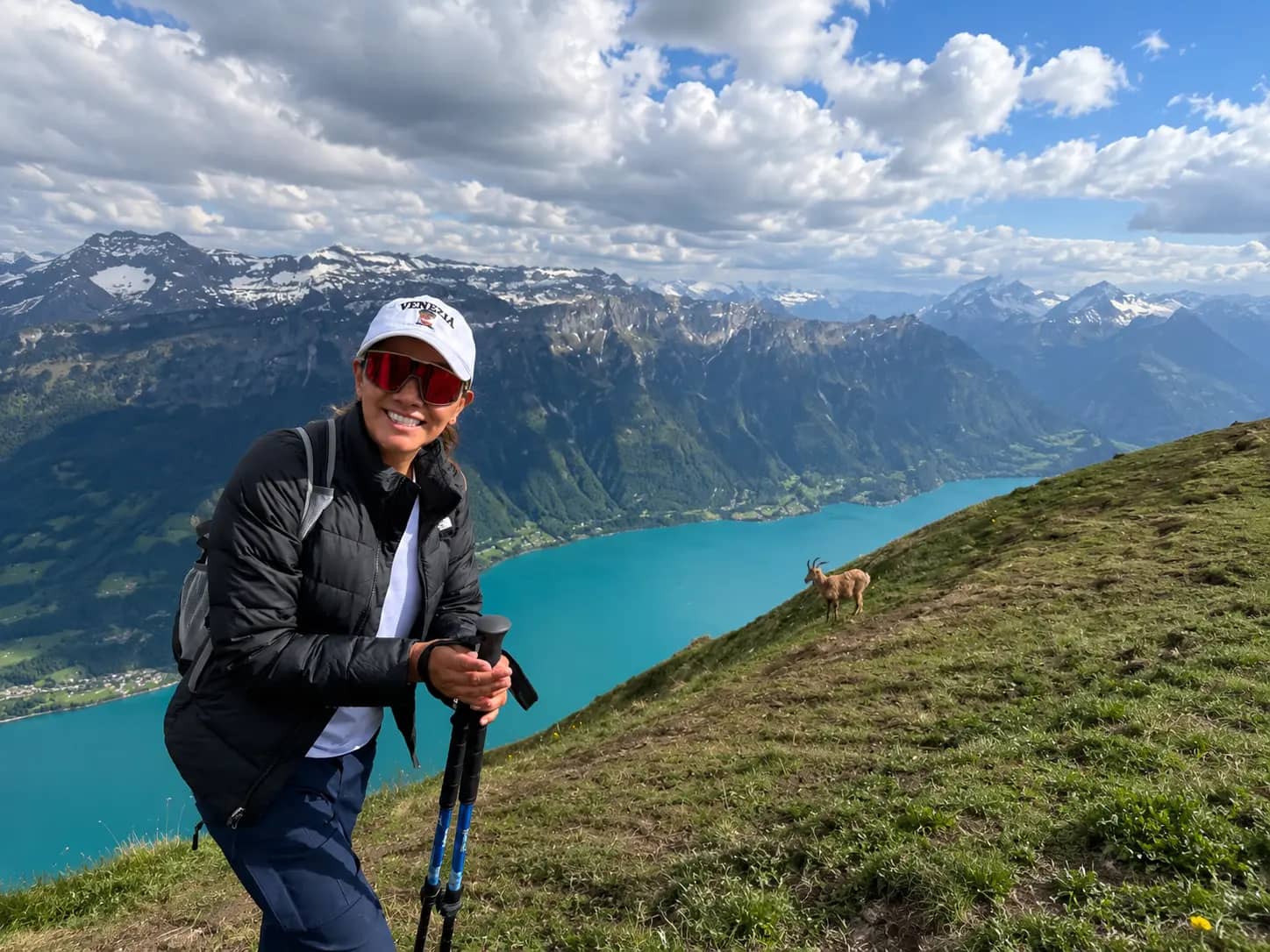
Design Your Dream Swiss Adventure - Custom Private Tours
You have an idea. A mountain you want to stand on. A place you've seen in a photo. A day you want to remember forever. We take that idea and build the experience around it, your pace, your group, your Switzerland. Tell us what you dream of. We'll make it happen.