Interlaken
Kulinarische Erlebnisse in der Schweiz: Insider-Guide
P
Pierre Vetsch
Autor
20. August 2026
7 Min
Kulinarische Erlebnisse in der Schweiz: Was uns die Leute sagten, die das Essen machen
Die meisten Guides zur Schweizer Küche geben Ihnen eine Liste von Gerichten. Fondue, Raclette, Rösti, Schokolade, fertig. Diese Liste beantwortet eine Frage, die niemand wirklich stellt, denn alle vier bekommen Sie auch in einer Flughafenlounge.
Die bessere Frage hat letzten Herbst ein Reisender in ein Forum getippt: «Können wir in der Schweiz einen echten, arbeitenden Milchbetrieb besuchen?» Jemand antwortete ihm mit einem Satz, der alles enthält, was Sie übers Essen hier wissen müssen. «Es gibt einen ECHTEN IN DER NÄHE von Gruyères, nicht den für Touristen beim Bahnhof.»
Genau um diese Lücke, zwischen dem echten und dem beim Bahnhof, geht es in diesem Guide. Die Schweiz isst 23.71 kg Käse pro Person und Jahr und schützt 25 Produkte mit einem AOP-Siegel, sechs davon dürfen nur im Sommer oberhalb der Waldgrenze hergestellt werden. Fast nichts davon landet auf einer Touristenkarte.
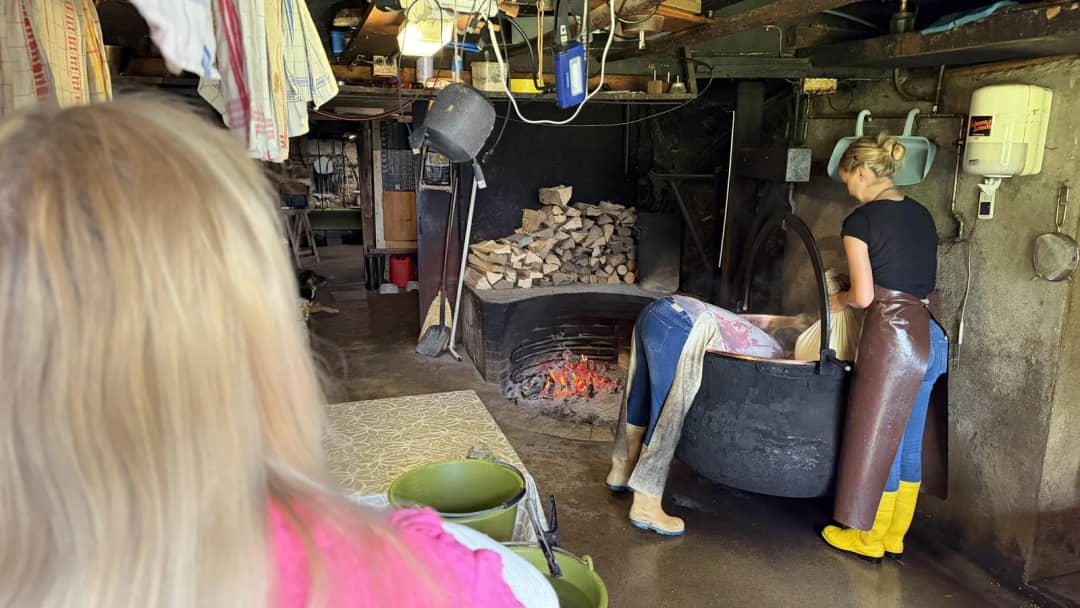
Ich fahre von Mai bis September jede Woche Gäste auf eine arbeitende Alp und zu einer Winzergenossenschaft. Statt Restaurants zu bewerten, habe ich deshalb die Leute gefragt, die das Essen tatsächlich machen, worauf ein Gast achten sollte. Hier steht, was sie gesagt haben, was es kostet und wann es stattfindet.
Was ist ein kulinarisches Erlebnis in der Schweiz, und was einfach nur eine Mahlzeit?
Eine Mahlzeit bestellt man. Ein Erlebnis ist ein Moment der Produktion, in dem man drinstehen darf. Der Test ist einfach: Sehen Sie, wie das Essen entsteht, können Sie mit der Person sprechen, die es macht, und passiert es nur zu einer bestimmten Jahreszeit? Zwei von drei reichen meist.
Diese Definition schliesst vieles aus, was hier als kulinarischer Tourismus verkauft wird, und sie schliesst Dinge ein, die nichts kosten.
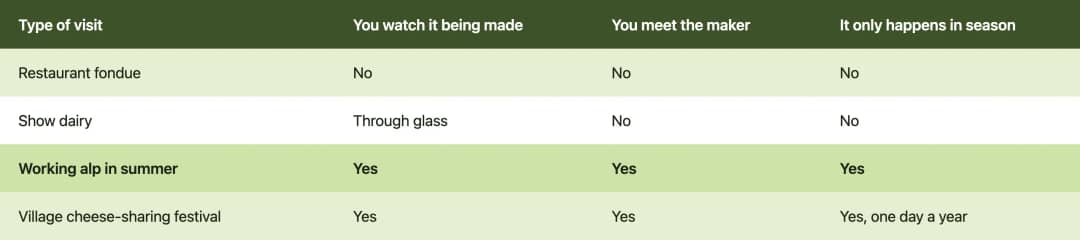
Der Unterschied zählt in der Schweiz mehr als fast überall sonst, weil das Land seine Esserzählung früh industrialisiert hat. Es gibt ausgezeichnete Besucherzentren mit Sichtfenstern, und sie sind ehrlich darin, was sie sind. Das Problem beginnt, wenn ein Reisender das eine bucht und das andere erwartet.
Daniela, die das Sigriswiler Bärgli im Justistal über dem Thunersee führt, hat den Unterschied in einem Satz gefasst, als wir darüber sprachen, was ihre Hände können und eine Maschine nicht.
«Der Bruch sagt Ihnen, wann er so weit ist. Sie spüren es in den Händen, nicht auf einem Bildschirm.»
Das ist die ganze Sache. Alles Weitere ist ein Versuch, Sie nah an die Hände von jemandem zu bringen.
Ist Schweizer Essen wirklich nur Käse und Kartoffeln?
Nein, aber die Touristenversion schon. Die Schweiz hat vier Sprachregionen und eine Esskarte, die sich von Tal zu Tal ändert: 252 Rebsorten, fünfundzwanzig AOP-Produkte, Safran im Wallis, Kastanien im Tessin, Süsswasserfisch an jedem See. Was das platt macht, ist die für Gäste geschriebene Speisekarte, die vier Regionen auf einen geschmolzenen Topf reduziert.
Die Zahlen hinter dieser Vielfalt sind ungewöhnlich konkret. Sechs Alpkäse haben AOP-Status und dürfen rechtlich nirgends anders als auf einer Sommeralp hergestellt werden: L'Etivaz, Berner Alp- und Hobelkäse, Tessiner Alpkäse, Le Gruyère d'alpage, Vacherin Fribourgeois d'alpage und Alpsbrinz.
Mehr als 6000 Alpbetriebe arbeiten jeden Sommer. Über ein Drittel der Schweizer Landwirtschaftsfläche ist Alpweide, und etwa jede fünfte Kuh verbringt den Sommer in der Höhe und frisst Hunderte verschiedener Pflanzen statt ein paar Dutzend.
Deshalb schmeckt derselbe Käsename im Juli anders als im September, und deshalb ist eines der schweizerischsten Dinge, die Sie probieren können, die Butter. Wieder Daniela, darüber, was Gäste an ihrem Frühstückstisch bemerken, ohne dass man sie darauf hinweist:
«Sie verändert sich je nachdem, was die Kühe am Vortag gefressen haben. Wenn sie an den Nordhängen sind, ist die Butter tiefer gelb und duftiger. Die meisten haben noch nie Butter probiert, die sich so bewegt.»
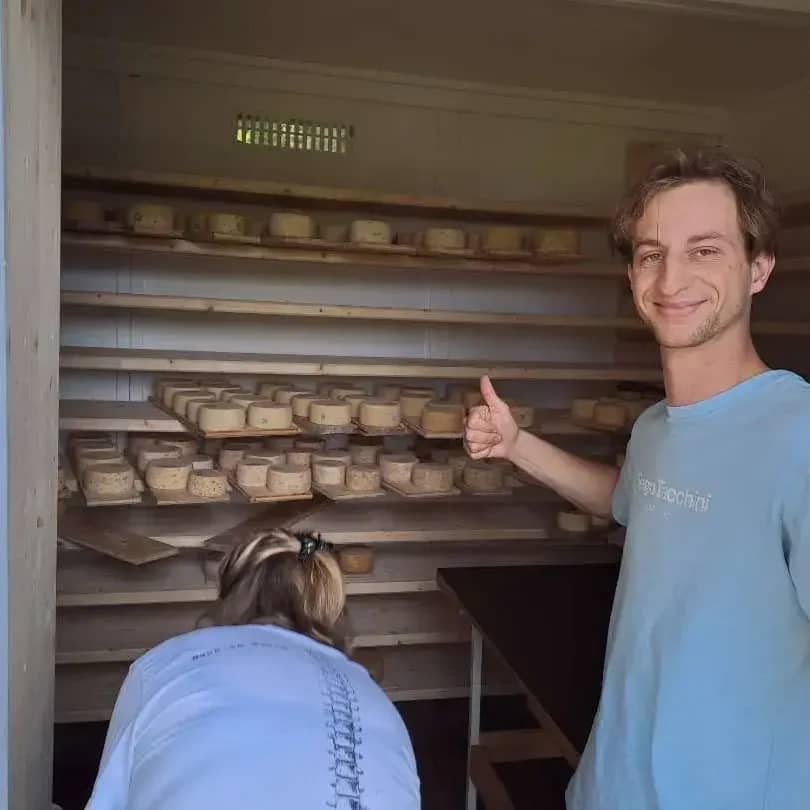
Wenn Ihre Erinnerung an Schweizer Essen ein schwerer Teller in einer Touristengasse ist, haben Sie die platte Version gegessen. Wir meinen den Käse, den man im Supermarkt nicht kaufen kann, gemacht im Kupferkessel über dem Holzfeuer, etwa vierzehn Wochen im Jahr.
Was genau dieser Käse ist, warum er Alpkäse heisst und warum er nie ins Ladenregal kommt, erklären wir in einem eigenen Artikel darüber, was Alpkäse eigentlich ist.
Wer macht dieses Essen eigentlich?
Rund 6000 Familien, während etwa vier Monaten. Die Alpkäserei läuft von Ende Mai bis Ende September und hört dann auf, weil die Herden hinunterkommen. Die Leute, die das tun, sind keine Gastroangestellten. Es sind Bäuerinnen und Bauern, die in einzelnen Fällen zulassen, dass eine kleine Zahl Gäste in ihrem Arbeitsmorgen steht.
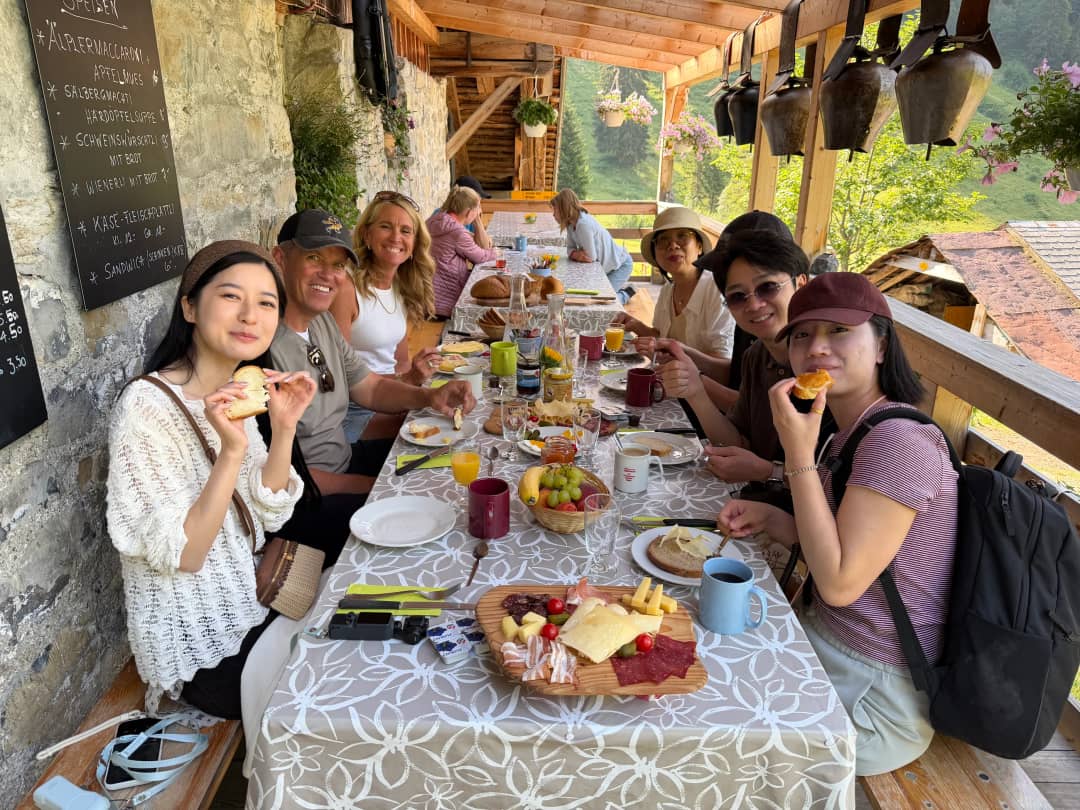
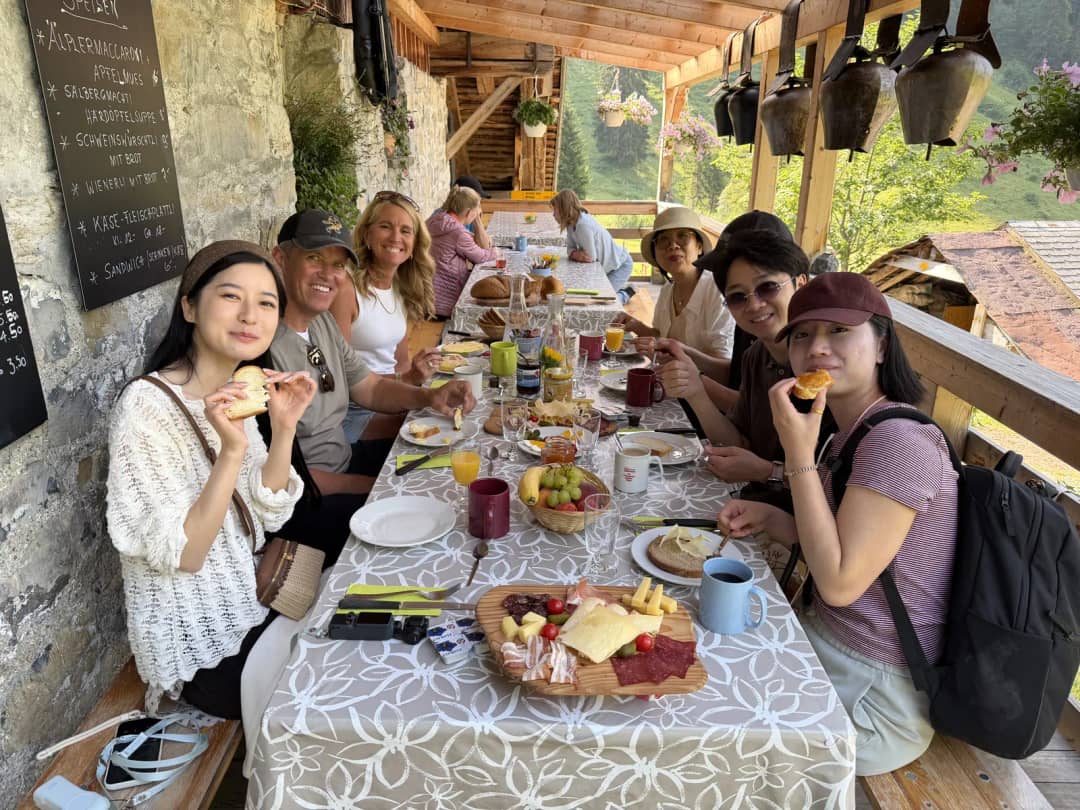
Der einfachste Weg in diesen Morgen führt danach an den Frühstückstisch. Wir haben Gericht für Gericht aufgeschrieben, was zum Alpfrühstück gehört, damit Sie vor der Buchung wissen, was Sie erwartet.
Daniela führt die Käserei auf dem Sigriswiler Bärgli seit 2009. Die Milch kommt von ihren eigenen 21 Kühen, und sie käst jeden Tag der Saison, drei Laibe pro Tag.
Ihre Erklärung, warum die Höhe das Produkt verändert, ist die klarste, die ich gehört habe, und sie ist nicht romantisch. Es geht um Zeit.
«In einer Fabrik kann die Milch stundenlang unterwegs sein, bevor sie in den Bottich kommt. Hier oben sind die Kühe fertig gemolken, und die Milch ist innerhalb von zwei Stunden im Kupferkessel, manchmal schneller. Sie ist noch warm. Sie trägt alles von der Weide mit: die Wildkräuter, die Höhe, die Morgenluft.»
Und zur Saison, der Bedingung, um die herum jeder Alpbetrieb plant:
«Wir arbeiten von Ende Mai bis Ende September, dann schliesst die Alp. Diese Einschränkung erzwingt Qualität. Jeder Laib zählt, weil wir nur so viele Wochen haben, um sie zu machen. Eine Fabrik kann das ganze Jahr laufen und Dinge ausmitteln. Wir können uns nicht leisten, irgendetwas auszumitteln.»
Am schwersten fällt den Gästen, dass nichts davon für sie anhält. Daniela steht um fünf Uhr auf, und die Kühe werden früh gemolken, weil sie dann gemolken werden müssen.
«Sie erwarten Ruhe. Sie haben die Postkartenversion im Kopf: eine stille Bergszene, sanfte Kühe, alles fürs Auge arrangiert. In Wahrheit steckt die Alp längst mitten im Morgen, wenn sie ankommen.»
Wenn Sie die lange Fassung dieses Gesprächs wollen, sie steht hier: das ganze Interview mit Daniela.
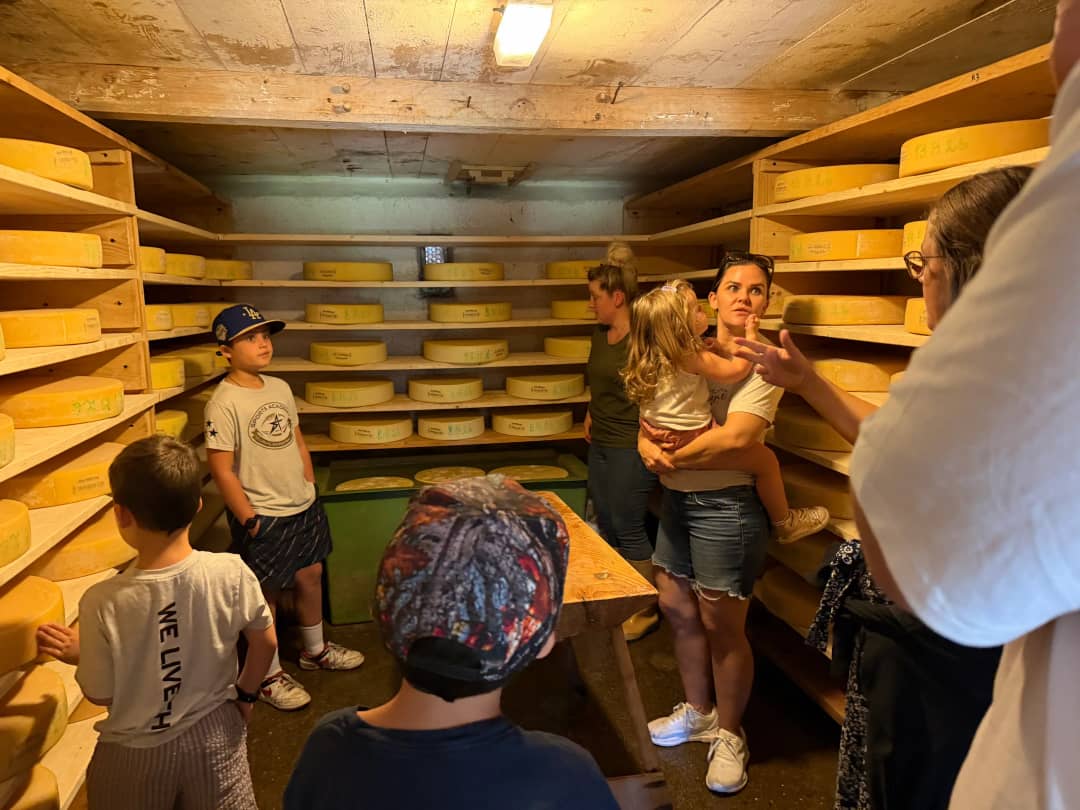
Wo kann man zusehen, wie Alpkäse gemacht wird?
Auf einer arbeitenden Alp zwischen Ende Mai und Ende September, oder das ganze Jahr durch ein Fenster in einer Schaukäserei. Das sind zwei verschiedene Produkte, und der Preisunterschied ist klein. Die Wahl geht also darum, wo Sie danebenstehen wollen, nicht ums Budget. Eine Schaukäserei kostet zwischen CHF 8 und 14. Die meisten arbeitenden Alpen, die Gäste aufnehmen, kosten mehr, oder gar nichts, wenn Sie hinaufwandern.
Die Schaukäsereien sind wirklich gut in dem, was sie tun. La Maison du Gruyère verlangt CHF 8 für Erwachsene und ist mit dem Swiss Travel Pass gratis. Die Appenzeller Schaukäserei verlangt CHF 13 und käst täglich zwischen 9:00 und 15:00 Uhr.
Eine Korrektur, die die meisten englischen Guides noch nicht mitbekommen haben: Die Emmentaler Schaukäserei in Affoltern hat die Käseproduktion Ende Juni 2025 eingestellt. Der Standort ist weiterhin als Ausflugsziel mit Restaurant offen, aber es gibt dort keine Käseherstellung mehr zu sehen. Im ganzen Internet wird sie weiterhin als aktive Käserei empfohlen.
Den vollständigen Vergleich, welche Höfe und Käsereien Gäste aufnehmen, mit Preisen, Saison und Reisezeiten, haben wir separat gemacht: sieben Alpbetriebe und Käsereien im Vergleich. Und wenn Sie nur den Unterschied im Prinzip verstehen wollen: Schaukäserei oder arbeitende Alp behandelt genau das.
Das Einzige, was Sie vor der Wahl wissen sollten: Eine arbeitende Alp lässt sich nicht in grossem Stil buchen. Acht Gäste sind viel. Sechzig sind unmöglich. Genau dafür gibt es die Schaukäsereien.
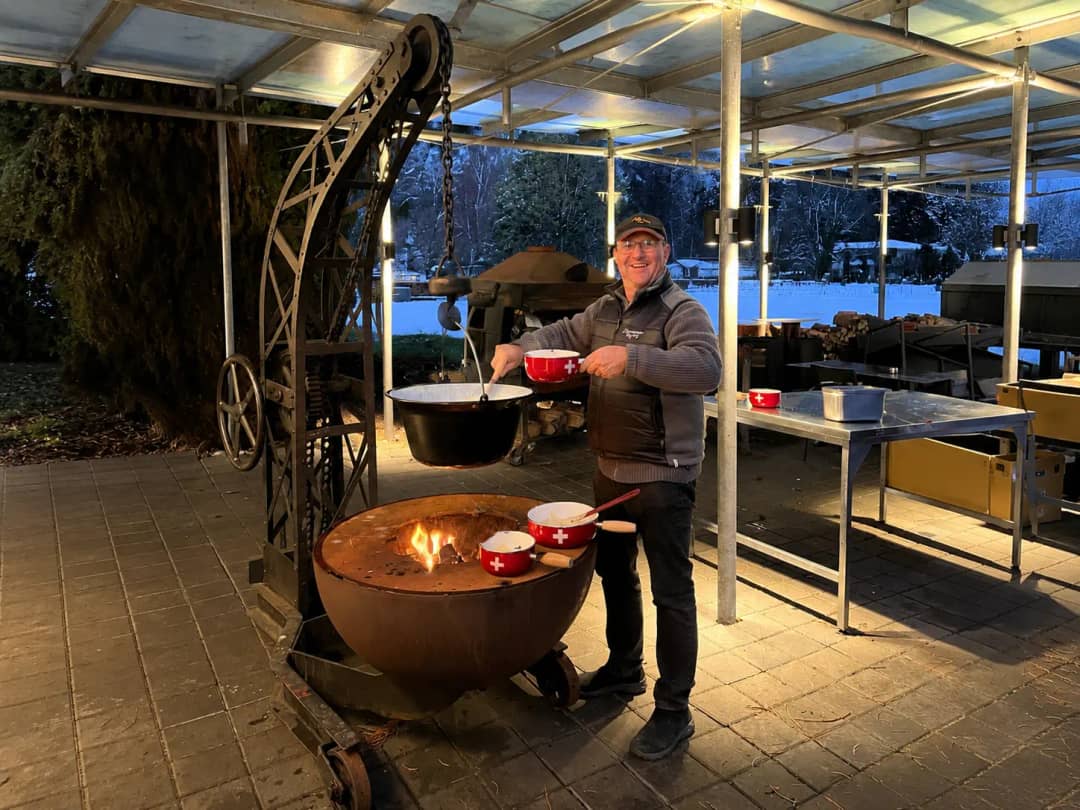
Fondue oder Raclette: Was bestellen Sie, und wann?
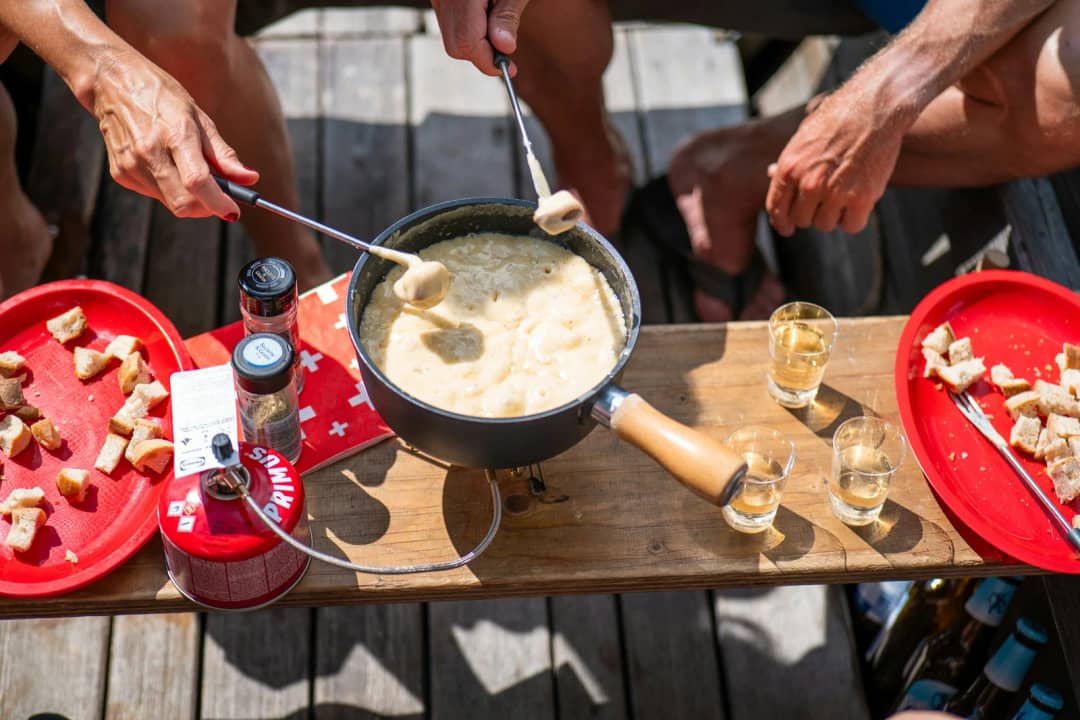
Fondue ist ein geteiltes Caquelon aus geschmolzenem Käse und Wein, in das alle tunken, und es ist für zwei Personen oder mehr gemacht. Raclette ist eine Einzelportion, heiss von einem halben Laib auf den Teller geschabt, mit Kartoffeln und Essiggemüse. Wenn Sie allein essen, ist die Wahl für Sie getroffen. Wo Sie im Ort eines bestellen, steht in wo es das beste Käsefondue in Interlaken gibt.
Die Saisonfrage macht Gäste nervös, und sie werden absichtlich nervös gemacht. Ein Reisender berichtete, was ihm ein Hotelier in Mürren gesagt hatte: Er «sollte im Sommer kein Fondue bestellen, das sei nur für den Winter gedacht».
Ein Schweizer Forumsmitglied hat das im selben Strang richtiggestellt, und dieser Version ist zu trauen: «In der Deutschschweiz gilt Fondue tatsächlich als Wintergericht. In der Westschweiz und im Wallis wird Fondue jedoch das ganze Jahr gegessen.»
Die ehrliche Antwort ist also regional, nicht moralisch. Niemand wird sich weigern, es Ihnen zu servieren. Im deutschsprachigen Oberland im August merken Sie vielleicht bloss, dass Sie der einzige Tisch damit sind.
Das Budget, weil alle fragen und wenige Guides antworten: Rechnen Sie mit CHF 25 bis 35 für ein Hauptgericht in einem normalen Restaurant und mit rund CHF 30 bis 40 für den Anteil einer Person am Fondue in einem Touristenzentrum. Ein Reisender im selben Forum erinnerte sich an ein besseres Essen für weniger: «eine riesige Schale Tagessuppe und mehrere Stücke Brot» für 10 CHF, mit Aussicht. Dieses Verhältnis, zehn Franken und eine Aussicht gegen vierzig Franken und eine Karte in vier Sprachen, ist fast alles, was Sie übers gute Essen hier wissen müssen.
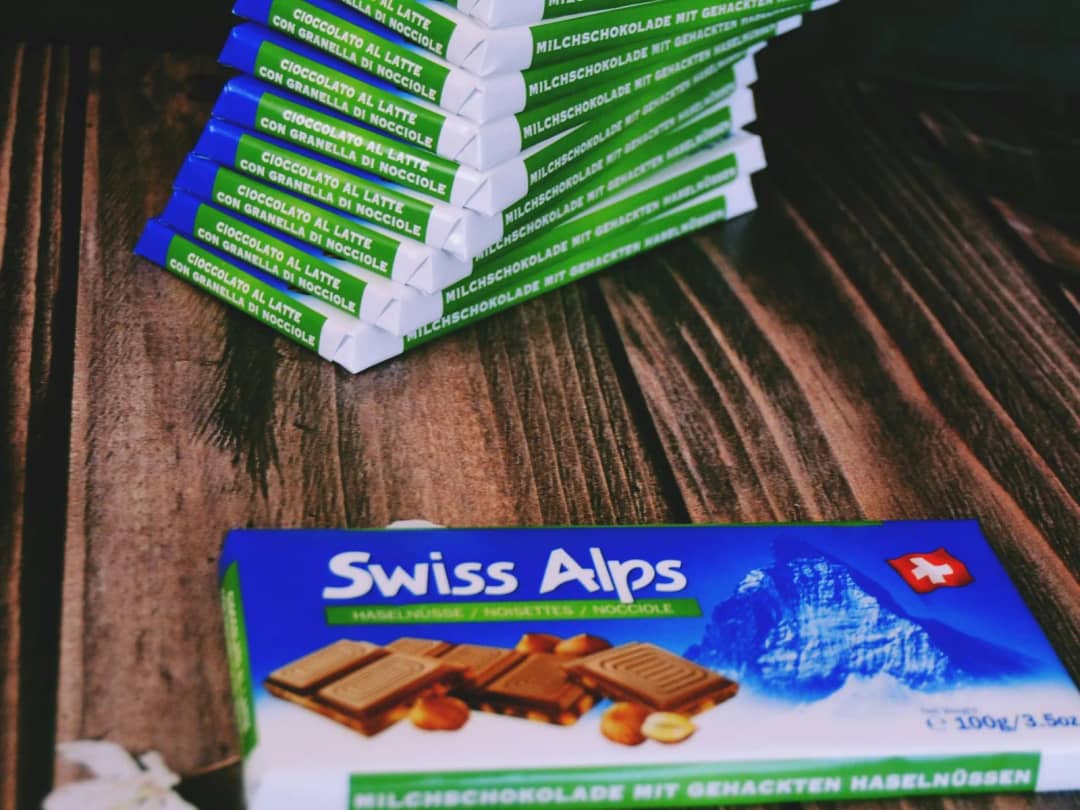
Lohnt sich bei Schweizer Schokolade ein Fabrikbesuch?
Ja, wenn Sie ihn als Museum mit Degustation verstehen und nicht als Werkstatt. Die Schweiz ass 2025 10.3 kg Schokolade pro Person, und die Branche verkaufte 192'548 Tonnen. Die Besucherzentren sind entsprechend poliert, gross und gut finanziert. Was sie nicht sind: ein kleiner Produzent, der Sie zuschauen lässt. Der Eintritt liegt bei CHF 14 bis 17.
Lindt Home of Chocolate bei Zürich verlangt CHF 14 für Erwachsene und CHF 10 für 8- bis 15-Jährige. Maison Cailler in Broc verlangt CHF 17 und ist mit dem Swiss Travel Pass gratis.
Eine Anmerkung, die Verwirrung erspart: Maison Cailler ist Schokolade, nicht Käse, auch wenn viele Tagesausflüge es im selben Paket wie Gruyères verkaufen. Wer eine kombinierte Exkursion bucht, besucht in einem Cartag zwei Branchen ohne Zusammenhang, und genau diese Reise erzeugt die Beschwerde, die ich in Bewertungen am häufigsten sehe: dass der Tag gehetzt war.
Ein Teilnehmer einer solchen Kombitour schrieb die Bewertung, die es für Sie entscheiden sollte: «Die Schokoladentour war besser als die Käsetour, stellen Sie sich darauf ein, viel zu essen.» Ein anderer auf derselben Exkursion war zur Käsehälfte deutlicher: «Der Käse, den sie verteilten, war grässlich.»
Wenn Schokolade wirklich Ihre Priorität ist, gehen Sie an einen Ort und bleiben Sie dort. Wenn sie nur nett wäre, kaufen Sie eine Tafel bei einer Stadtchocolatier und verbringen Sie den Tag dort, wo das Essen noch von der Person gemacht wird, die es Ihnen reicht.
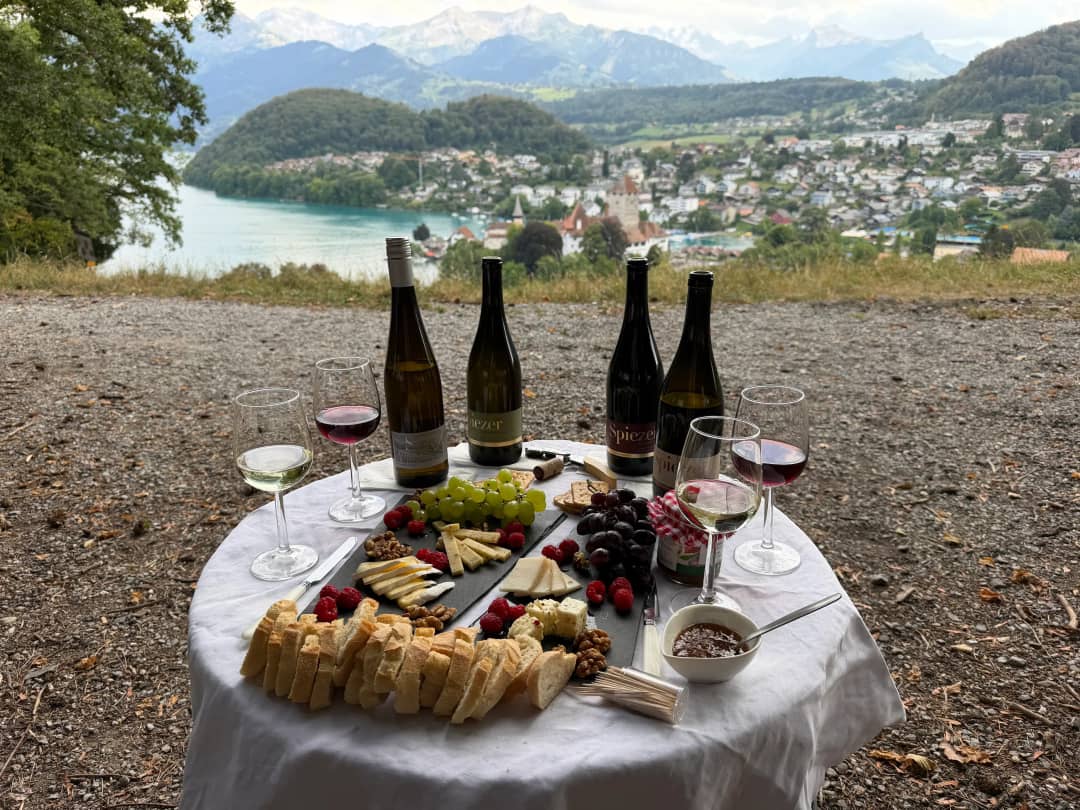
Kann man Schweizer Wein dort probieren, wo er wächst?
Fast nur dort. Die Schweiz baut 252 Rebsorten in allen 26 Kantonen an, und rund 98% davon verlassen das Land nie. Es gibt kein Exportregal, in dem Sie ihn später finden. Das macht das Trinken hier weniger zu einer netten Idee als zu einer einmaligen Sache.
Diese Knappheit ist kein Marketing. Sie ist Arithmetik. Die Rebberge sind klein, steil und von Hand gelesen, auf Terrassen, die keine Maschine erreicht, zu Schweizer Löhnen, ohne Menge, auf die sich die Kosten verteilen liessen.
Sie schafft auch ein praktisches Problem, vor dem niemand warnt: Degustationen sind in der Schweiz meist die Vorstufe zum Kistenkauf, kein Produkt, das man spontan bezahlt. Die Keller haben kurze Öffnungszeiten, in der Saison oft ein paar Nachmittage pro Woche. An einem Dienstag aufzutauchen, klappt selten.
Rund um Interlaken ist es etwas einfacher, weil einige Adressen auf Gäste eingestellt sind, die nur degustieren wollen. Wir haben sie einzeln geprüft: sechs echte Weindegustationen in Interlaken, mit Öffnungszeiten und Preisen.
Welche Regionen die Reise wert sind und wie sie sich unterscheiden, haben wir vollständig behandelt: die fünf Schweizer Weinregionen im Vergleich. Und die Traube, die alle verwirrt, Riesling-Sylvaner, ist weder Riesling noch Sylvaner.
Wann finden kulinarische Anlässe in der Schweiz tatsächlich statt?
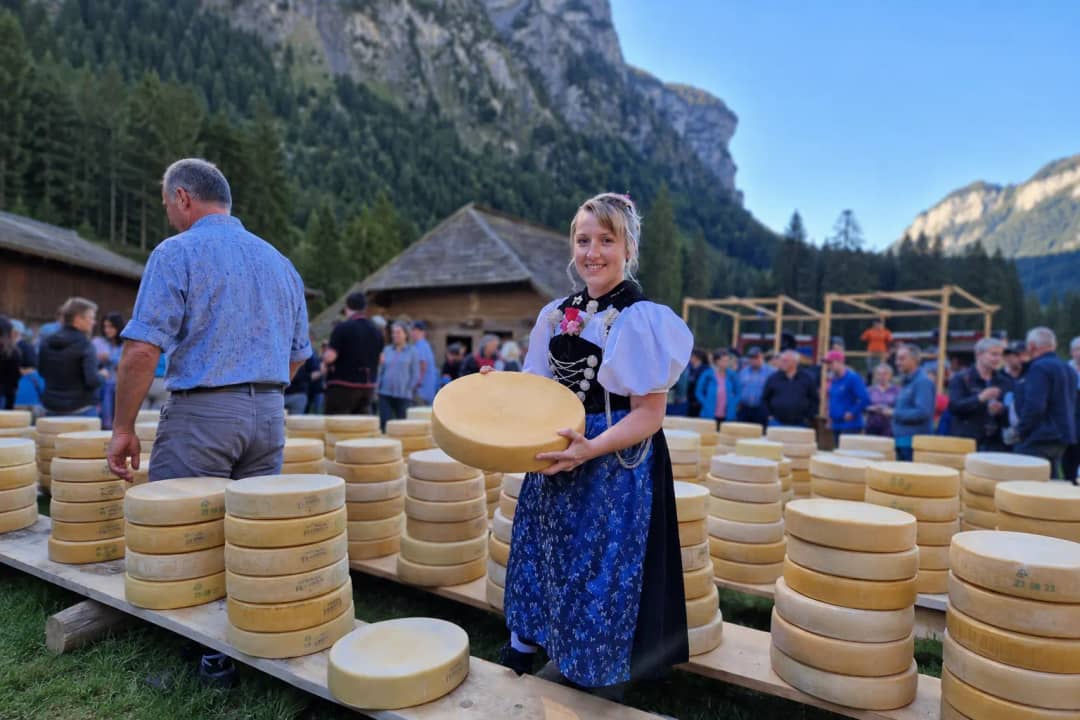
Der kulinarische Alpkalender ist auf etwa zehn Wochen zusammengedrängt. Käse wird von Ende Mai bis Ende September auf den Alpen gemacht, und die Anlässe, die zählen, häufen sich am Ende dieses Fensters, wenn die Herden herunterkommen und die Produktion des Sommers aufgeteilt wird. Die meisten sind gratis, und fast keiner ist auf Englisch ausgeschrieben.
Der Anlass, den wir am besten kennen, ist der Chästeilet im Justistal, bei dem die Laibe des Sommers per Los verteilt werden. Unser Guide zum Chästeilet im Justistal nennt das Datum, den Ablauf der Verlosung und den Weg ins Tal.
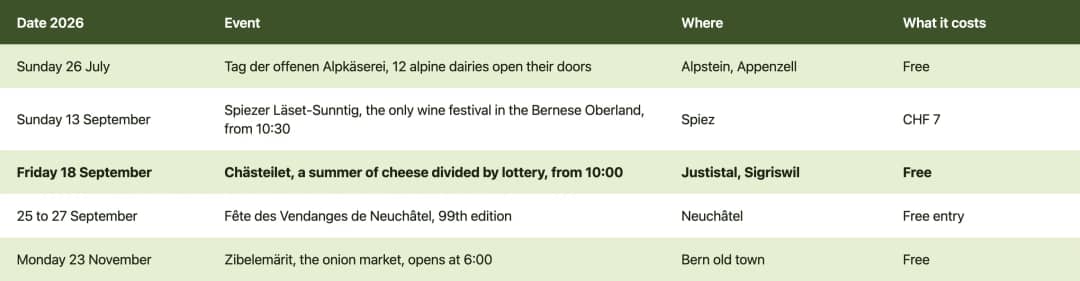
Zwei davon verdienen eine Bemerkung. Der Chästeilet im Justistal ist seit 1739 belegt und keine Show. Daniela, in deren Tal er stattfindet, ist da genau:
«Für uns ist das kein Touristenanlass. Es ist der Moment, in dem der Sommer formell endet und die Genossenschaft ihre Bücher abschliesst.»
Und der Zibelemärit in Bern beginnt wirklich um sechs Uhr morgens, die Stände handeln ab vier. Um zehn anzukommen heisst, am Ende anzukommen.
Zwischen Anfang September und Anfang Oktober halten zudem Dutzende Dörfer eine Désalpe oder einen Alpabzug ab, den geschmückten Abstieg der Herden. Die Daten werden lokal festgelegt und oft erst Wochen vorher bestätigt, weshalb sie selten in Reiseführern stehen. Fragen Sie in der Woche davor beim örtlichen Tourismusbüro, statt einer im Frühling publizierten Liste zu vertrauen.
Wie vermeiden Sie eine Touristenfalle, ohne zu viel zu zahlen?
Drei Tests, in dieser Reihenfolge. Wie weit ist es von der Attraktion entfernt, wer steht hinter der Theke, und wann essen Einheimische dort. Ein Restaurant neben einer Bergbahnstation, das um 15:00 Uhr Fondue in fünf Sprachen serviert, lügt Sie nicht an, es ist bloss nicht für Sie gemacht. Gehen Sie zehn Minuten weiter, und der Preis sinkt, während die Qualität steigt.
Die Klagen, die in Bewertungen wiederkehren, betreffen fast nie allein den Preis. Sie betreffen das Tempo und das Gefühl, verwaltet zu werden. «Sehr touristisch und sehr schweizerisch, und dazu teuer», schrieb eine Besucherin über ein traditionelles Restaurant in Zermatt. Zu einer kombinierten Käse- und Schokoladenexkursion warnte ein anderer eher vor dem Aufbau als vor dem Essen: «sonst sitzen Sie ziemlich lange im Car fest».
Daraus die praktischen Regeln:
Zählen Sie die Minuten, nicht die Stopps. Eine Exkursion, die an einem Tag drei Produzenten besucht, gibt Ihnen rund fünfundzwanzig Minuten pro Ort. Das ist ein Foto, kein Erlebnis.
Essen Sie dort, wo der Arbeitstag isst. Mittagessen zwischen 11:30 und 13:00 Uhr in einem Dorfrestaurant ist die günstigste gute Mahlzeit des Landes.
Gratis schlägt oft gebucht. Ein Käseteilet, ein Dorfmarkt oder ein Alpabzug kostet nichts und ist vollkommen echt.
Kleine Zahlen sind das Signal. Wenn ein Produzent sechzig Leute nehmen kann, besuchen Sie einen Veranstaltungsort. Wenn er acht nehmen kann, besuchen Sie einen Hof.
Welches kulinarische Erlebnis passt zu Ihrer Reise?
Richten Sie es nach Ihrer Zeit und nach der Jahreszeit Ihrer Ankunft, nicht danach, was am schweizerischsten klingt. Die Alperlebnisse gibt es rund vier Monate. Alles andere läuft ganzjährig und ist beim nächsten Mal noch da.
Zwei Tage, Sommer. Ein Morgen auf einer arbeitenden Alp, ein Abendessen in einem Dorf statt in einem Ferienzentrum. Kombinierte Carausflüge lassen Sie ganz weg.
Zwei Tage, Winter. Die Alpen sind geschlossen. Gehen Sie in eine Schaukäserei, in ein Schokoladenhaus, und essen Sie Fondue in der Deutschschweiz, wo es Saison hat.
Mit Kindern unterwegs. Ein arbeitender Hof schlägt ein Museum deutlich, weil es Tiere gibt und niemand still sein muss.
Sie trinken keinen Alkohol. Lassen Sie die Weinregionen aus und stecken Sie das Budget in Käse und Schokolade, die hier ohnehin interessanter sind.
Sie wollen etwas, das sich nicht wiederholt. Legen Sie Ihre Reise auf Ende September und gehen Sie an einen Chästeilet oder eine Désalpe. Es kostet nichts, und es ist die einzige Version davon, die für niemanden ausser den Bauern arrangiert wurde.
Wenn Sie ohnehin in der Nähe von Interlaken sind: Die beiden, die wir selbst führen, sind ein Morgen auf Danielas Alp und ein Nachmittag bei der Winzergenossenschaft in Spiez, beide auf acht Personen begrenzt. Sie finden sie, und alles andere, was wir machen, auf unserer Aktivitätenseite.
Ihre Fragen zu kulinarischen Erlebnissen in der Schweiz
Was ist das authentischste kulinarische Erlebnis der Schweiz?
Eine arbeitende Alpkäserei während der Sommersaison, zwischen Ende Mai und Ende September. Die Milch kommt innerhalb von zwei Stunden nach dem Melken in den Kupferkessel über dem Holzfeuer, und die Person, die den Käse macht, ist die Person, die das Problem hat, wenn er misslingt. Nichts ist inszeniert, was auch heisst, dass nichts auf Sie wartet. Die Gratisvariante ist ein Chästeilet oder eine Désalpe im Dorf Ende September, wenn Käse und Herden herunterkommen und das ganze Tal auftaucht.
Kann man in der Schweiz einen echten, arbeitenden Milchbetrieb besuchen?
Ja, aber in kleiner Zahl und nur im Sommer. Manche Alpen nehmen Gäste direkt auf, manche über das örtliche Tourismusbüro, manche über kleine Anbieter. Die Zahlen verraten es: Eine arbeitende Alp kann eine Handvoll Leute empfangen, ohne die Arbeit zu stoppen, wer also sechzig Plätze verkauft, ist ein Besucherzentrum und kein Hof. Schaukäsereien wie La Maison du Gruyère (CHF 8) und die Appenzeller Schaukäserei (CHF 13) sind ganzjährig offen und stehen dazu, Ausstellungen zu sein.
Was kostet eine Mahlzeit in der Schweiz?
Rechnen Sie mit CHF 25 bis 35 für ein Hauptgericht in einem gewöhnlichen Restaurant, in Ferienzentren mit mehr. Der Anteil einer Person am Fondue in einer Touristengasse liegt bei CHF 30 bis 40. Die günstigste gute Mahlzeit des Landes ist das Mittagessen in einem Dorfrestaurant zwischen 11:30 und 13:00 Uhr, dort kostet eine grosse Schale Suppe mit Brot noch rund CHF 10. Hahnenwasser ist überall gratis und sicher, auch aus Dorfbrunnen, sofern nichts anderes angeschrieben ist.
Soll man im Sommer Fondue bestellen?
Sie dürfen, und es stört niemanden. Die Saisonregel ist regional statt allgemein: In der Deutschschweiz gilt Fondue als Wintergericht, in der Westschweiz und im Wallis wird es das ganze Jahr gegessen. In einem Oberländer Dorf im August sind Sie vielleicht der einzige Tisch damit. Wenn Sie die Sommerversion derselben Idee wollen: Raclette wird ganzjährig serviert und ist eine Einzelportion statt eines geteilten Topfs.
Wann wird in der Schweiz Alpkäse gemacht?
Zwischen Ende Mai und Ende September, und nur dann. Die Herden ziehen hinauf, sobald der Schnee weg ist, und kommen vor der ersten ernsthaften Kälte herunter, was den Produzenten rund vierzehn Wochen lässt. Sechs Alpkäse haben AOP-Status und dürfen rechtlich weder ausserhalb dieses Fensters noch unterhalb einer bestimmten Höhe gemacht werden, darunter L'Etivaz, Berner Alp- und Hobelkäse und Le Gruyère d'alpage. Ausserhalb dieser Saison können Sie in den Schaukäsereien im Tal weiterhin zusehen, die ganzjährig laufen.
Macht die Emmentaler Schaukäserei noch Käse?
Nein. Die Schaukäserei in Affoltern hat die Käseproduktion Ende Juni 2025 eingestellt. Der Standort bleibt als Ausflugsziel mit Restaurant und Laden offen, aber es gibt vor Ort keine Käseherstellung mehr zu sehen. Viele englischsprachige Guides führen sie weiterhin als aktive Käserei. Wenn das Zuschauen der Zweck Ihres Besuchs ist: La Maison du Gruyère und die Appenzeller Schaukäserei produzieren beide weiterhin täglich.
Muss man kulinarische Erlebnisse in der Schweiz im Voraus buchen?
Für arbeitende Höfe und Kleingruppentouren ja, oft Tage im Voraus, weil die Kapazität wirklich winzig ist. Für Schaukäsereien und Schokoladenhäuser nein, wobei sich ein Zeitfensterticket in der Hochsaison lohnt. Für Anlässe wie den Chästeilet, den Läset-Sunntig oder eine Désalpe im Dorf gibt es gar nichts zu buchen: Sie erscheinen einfach. Planung braucht dort die Anreise, denn mehrere finden in Tälern mit wenig oder gar keinem öffentlichen Verkehr an diesem Tag statt.
Welches Lebensmittel nimmt man aus der Schweiz mit nach Hause?
Alpkäse, und kaufen Sie ihn beim Produzenten statt am Flughafen. Ein Laib von der Alp kostet einen Bruchteil dessen, was ein vergleichbarer im Ausland kostet, wo er meist gar nicht verkauft wird. Schweizer Wein ist aus demselben Grund der andere Kandidat: Da rund 98% im Inland getrunken werden, ist die Flasche, die Sie heimtragen, anderswo tatsächlich nicht erhältlich. Prüfen Sie zuerst die Einfuhrregeln Ihres Landes, denn mehrere schränken Rohmilchkäse ein.
*Geschrieben von Pierre Vetsch, Gründer und leitendem Guide bei Swiss Local Adventures
Quelle:
Gespräche mit den Produzenten hinter unseren eigenen Touren im Berner Oberland, 2026.
Schlagwörter
#swiss-food-experiences#alpine-cheese#swiss-dairy-farm#swiss-wine#swiss-chocolate#swiss-traditions#food-travel-switzerland
Quellen & Referenzen
Diesen Artikel teilen
Ähnliche Artikel
Setzen Sie Ihre Lektüre mit diesen verwandten Artikeln fort
Interlaken
7.10.2026
8 Min
Schneeschuhwandern anstrengend? Antwort aus Interlaken
Ist Schneeschuhwandern anstrengend? Die meisten Anfänger gehen nach 10 bis 15 Minuten locker. Nicht die Schuhe, der Neuschnee ermüdet.
is-snowshoeing-hardsnowshoeing-for-beginnerssnowshoeing-interlaken
Von Teona GvasaliaMehr Lesen
Interlaken
5.10.2026
10 Min
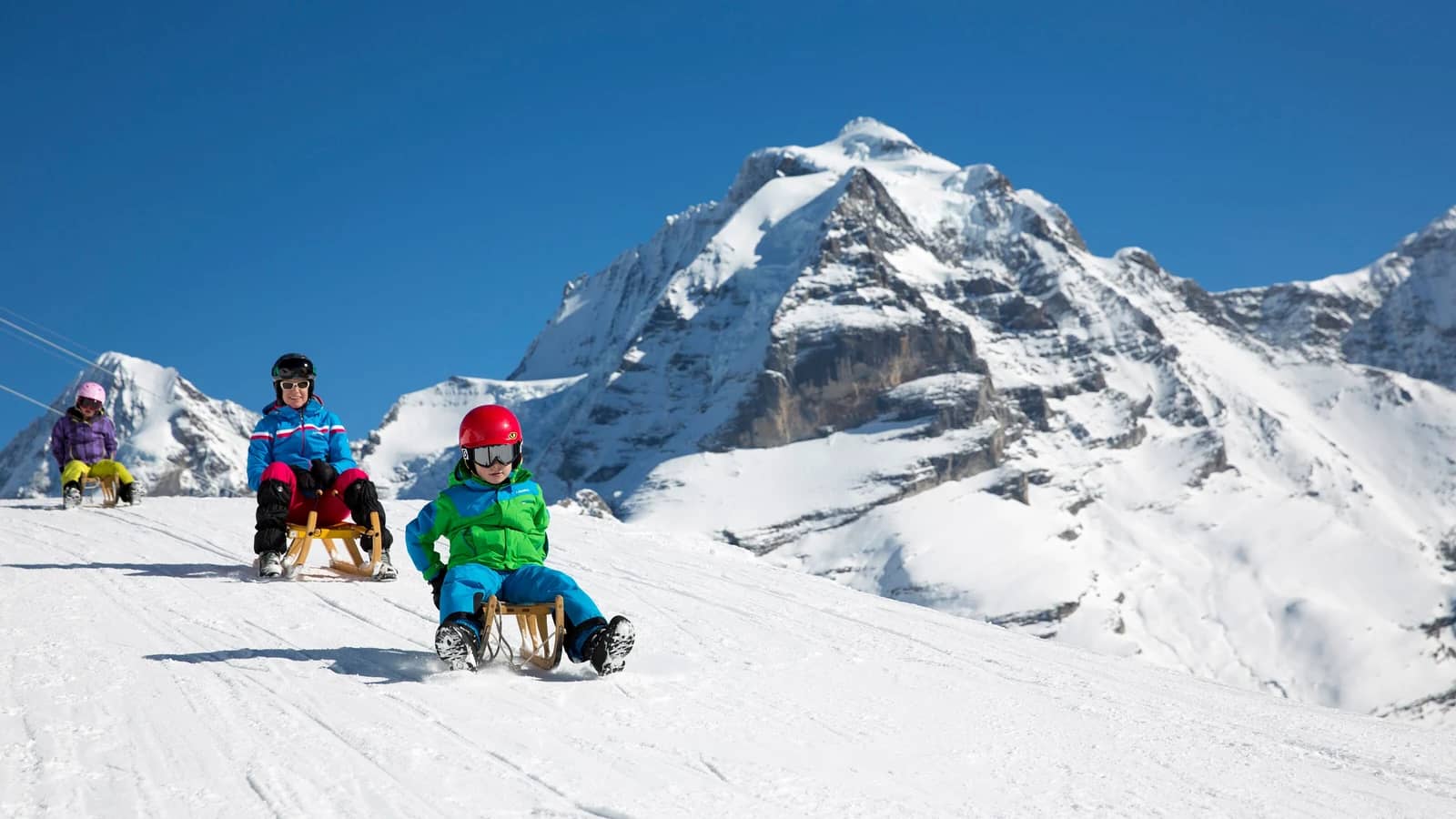
Schlitteln mit Kindern bei Interlaken: Alter und Pisten
Schlitteln mit Kindern bei Interlaken: ab 8 allein auf dem Schlitten, unter 6 gratis aufs Niederhorn. Welche Piste zu welchem Alter passt, vom Guide.
sledding-with-kidsfamily-winter-activitiessledding-interlaken
Von Pierre VetschMehr Lesen
Interlaken
4.10.2026
9 Min
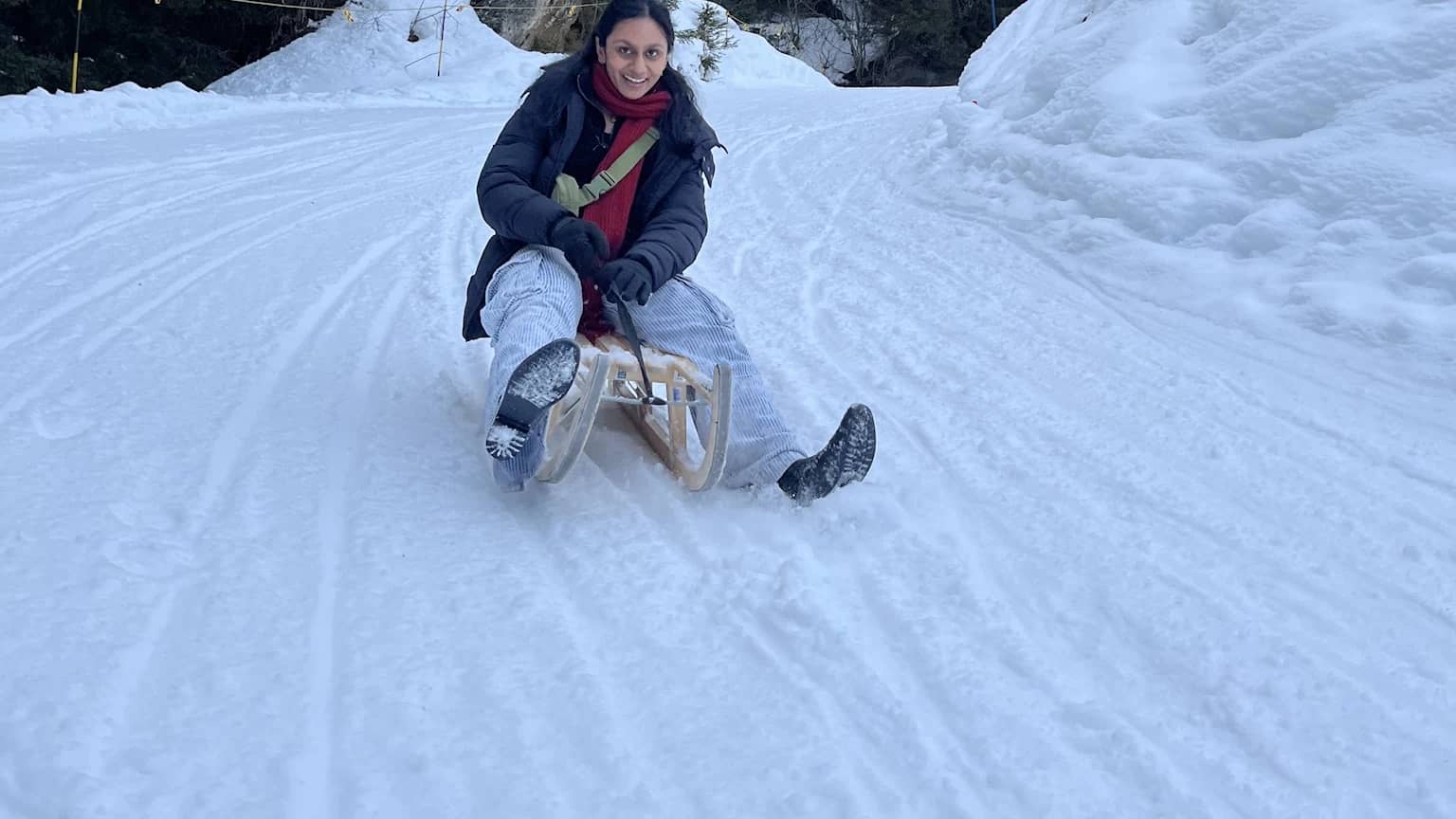
Schlitten lenken und bremsen: die Methode eines Guides
Schlitten lenken: Innenfuss in den Schnee, mit beiden Fersen bremsen. Auf 9 % Gefälle über Lauterbrunnen zeigt ein Guide, welchen Schlitten Sie mieten.
how-to-steer-a-sledsledding-for-beginnerssledding-interlaken
Von Pierre VetschMehr Lesen