Bauernhof, Wein & Fondue
Alpkäsereien in der Schweiz: die besten Besuche
T
Teona Gvasalia
Autor
21. Juli 2026
7 Min
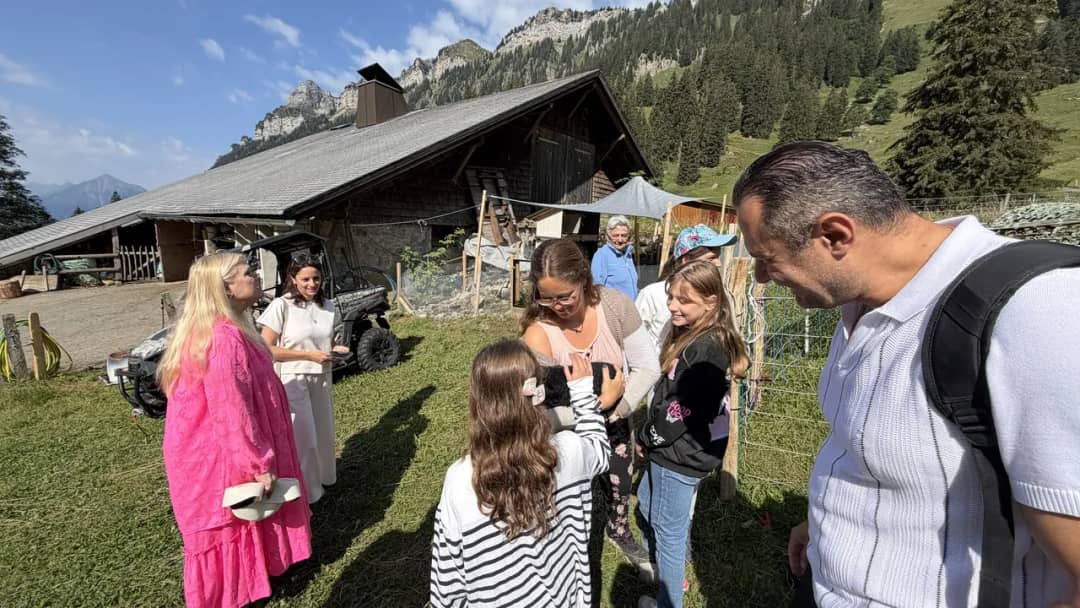
Die besten Alp- und Käsereibesuche in der Schweiz (hinter der Glasscheibe hervor)
Wer « Schweizer Käserei besichtigen » googelt, landet meist bei Fabriken. Polierte Besucherzentren, Audioguides, und was eine Reisende als « nur ein Gang über einen erhöhten Steg hinter Glas » beschrieb.
Das hatten Sie nicht im Kopf. Sie hatten einen Bauern, ein Feuer und einen Kessi im Kopf. Wie ein Gast sagte: Sie wollen « eine echte, nicht die Touristenversion beim Bahnhof ».
Ich bin auf einem Hof aufgewachsen, darum merke ich in zwei Minuten, ob eine Käserei lebt oder inszeniert ist. Diesen Sommer stand ich in einer Hütte auf 1370 Metern, wo eine Bäuerin, Daniela, 21 Kühe melkt und ihre Milch in einer einzigen Saison in 348 Laibe Alpkäse verwandelt. Kein Glas. Keine Bildschirme. Nur Arbeit.
Dieser Guide vergleicht die sieben besten Alp- und Käsereibesuche der Schweiz, von den bekannten Schaukäsereien bis zu echten Alpbetrieben. Zu jedem finden Sie den genauen Preis, die Öffnungstage, die Saison und für wen er passt, damit Sie Ihre Route ohne Rätselraten planen können.
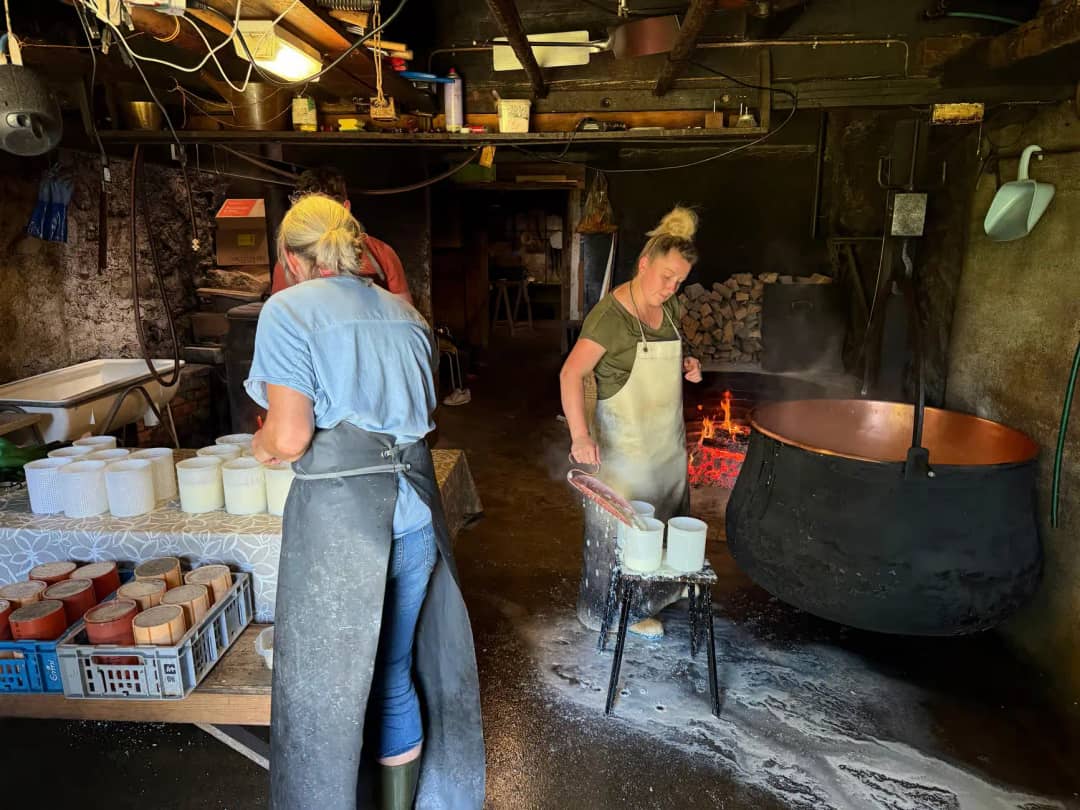
Kann man in der Schweiz einen echten Milchwirtschaftsbetrieb besuchen?
Ja. Neben den bekannten Schaukäsereien öffnen mehrere Alpbetriebe zwischen Juni und September ihre Türen. Die Spanne reicht von einer Kesselvorführung für CHF 7 auf dem Moléson bis zu einem Besuch in kleiner Gruppe für CHF 149 auf einem Alpbetrieb im Justistal bei Interlaken, inklusive Frühstück und Degustation.
Entscheidend ist der Unterschied zwischen den zwei Kategorien:
Schaukäsereien sind Besucherzentren rund um die Käseproduktion. Sie sind das ganze Jahr offen, kosten CHF 7 bis 13, und Sie schauen durch Glas zu. Effizient, günstig und verlässlich.
Alpbetriebe machen Käse, weil sie davon leben, nicht als Geschäftsmodell. Sie arbeiten nur im Sommer, und ein Besuch hängt vom Tagesablauf der Bäuerin ab. Hier der vollständige Vergleich, vom Bekanntesten zum Echtesten:
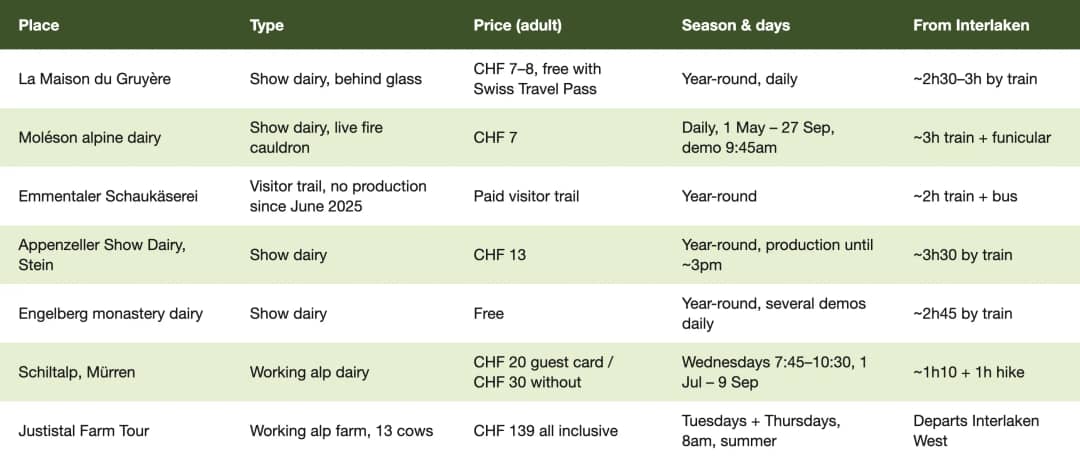
Gehen wir sie ehrlich durch, mit dem, was die Prospekte weglassen. Wer die ausführliche Fassung dieser Debatte will, liest Alpbetrieb oder Käsefabrik in der Schweiz?
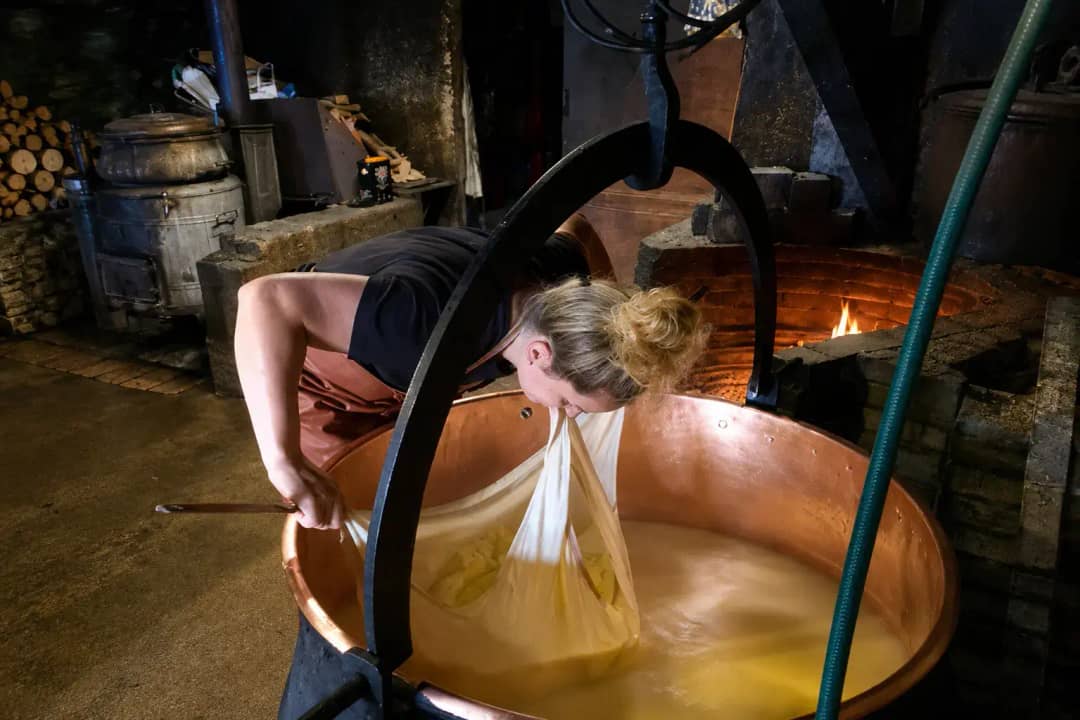
1. Gruyères: die berühmte, und ihre echte Alternative
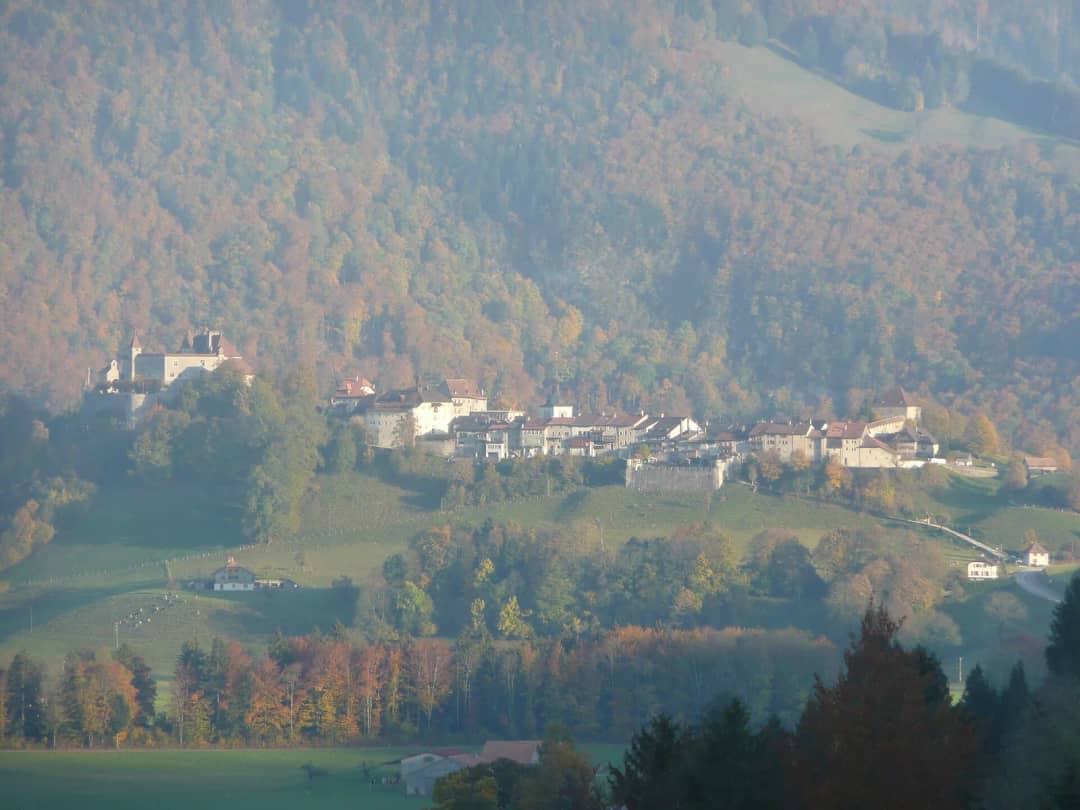
La Maison du Gruyère steht direkt am Bahnhof Pringy-Gruyères, unterhalb des Schlosses. Der Eintritt kostet CHF 8 für Erwachsene (Stand 8. Oktober 2026), mit dem Swiss Travel Pass gratis, das Kombiticket mit dem Schloss kostet CHF 17. Täglich geöffnet, das ganze Jahr.
Das erwartet Sie: ein erhöhter Gang über der Produktionshalle, Fenster auf die Kessi und ein Audioguide, erzählt von einer Kuh namens Cherry. Die Bewertungen gehen auseinander. Wer gerne plant, schätzt die Verlässlichkeit. Andere nennen es « wenig authentisch und sehr automatisiert ».
Der eigentliche Grund, in diese Region zu kommen, liegt weiter oben am Berg. Die Alpkäserei auf dem Moléson ist ein Chalet aus dem 17. Jahrhundert, in dem der Käse noch über offenem Holzfeuer entsteht. Ein Besucher beschrieb es als « Käsen auf die alte Art, mit einem grossen Kessi über dem Feuer », und genau das passiert dort.
Teona fragte einen Bauern: „Warum bleiben Alpkäser beim Holzfeuer?“
„So wird Alpkäse gemacht: im Chäschessi, dem grossen Kupferkessi, über offenem Feuer, mit Rohmilch vom selben Morgen.“
Teona Gvasalia, Ihrer Alpenguidin bei Swiss Local Adventures
Die praktischen Angaben:
Preis: CHF 7 Erwachsene (16 bis 63 Jahre), CHF 5 Kinder von 6 bis 15 Jahren, CHF 6 Senioren
Tage: nur in der Sommersaison, Käsen jeden Morgen um 9:45 Uhr und Affinage jeden Nachmittag um 15:45 Uhr (Stand 8. Oktober 2026)
Dauer: rund 45 Minuten
Passt für: Reisende, die ohnehin nach Gruyères fahren und das Feuer wollen, nicht das Glas Ein ehrlicher Vorbehalt: der Kommentar auf dem Moléson ist auf Französisch. Wenn Ihre Gruppe kein Französisch spricht, sehen Sie einen schönen Vorgang, ohne die Details zu verstehen.
2. Emmental: warum sich die berühmte Schaukäserei 2025 verändert hat
Das ist die Neuigkeit, die die meisten Guides noch nicht aufgenommen haben. Die Emmentaler Schaukäserei in Affoltern war jahrzehntelang die Standardantwort auf « wo sehe ich, wie Emmentaler entsteht ». Das ist sie nicht mehr.
Fun Fact: Die Käseproduktion in der Emmentaler Schaukäserei in Affoltern wurde im Juni 2025 eingestellt. Das Gelände bleibt für Besucher offen, aber Käse entstehen sehen Sie dort nicht mehr.
Die Käseproduktion in der Schaukäserei wurde im Juni 2025 eingestellt. Das Gelände bleibt mit einem Besucherrundgang offen, aber Käse entstehen sehen Sie dort nicht mehr. Wenn ein Blog oder ein Reiseführer weiterhin eine Live-Produktion von Emmentaler verspricht, ist die Angabe veraltet.
Die praktischen Angaben:
Status: Besucherangebot offen, Live-Produktion seit Juni 2025 eingestellt
Passt für: Emmentaler Landschaft und Käsegeschichte, nicht für das Käsen selbst
Hinweis für die Planung: prüfen Sie das aktuelle Angebot auf der offiziellen Seite, bevor Sie einen Tag darum herum aufbauen Wenn es Ihnen darum geht, Milch tatsächlich zu Käse werden zu sehen, investieren Sie Ihre Emmentaler Zeit lieber in einen der Alpbetriebe weiter unten in dieser Liste.
3. Appenzell: die Schaukäserei in Stein
Die Antwort der Ostschweiz ist die Appenzeller Schaukäserei in Stein, Heimat der berühmt geheimen Kräutersulz. Der Eintritt kostet CHF 13 pro Erwachsenen, und die Produktion ist bis etwa 3 Uhr nachmittags sichtbar, planen Sie also einen Besuch am Morgen oder frühen Nachmittag.
Unter den Schaukäsereien verdient diese ihr Ticket. Der Beobachtungsbereich liegt nah am Geschehen, die Ausstellung erklärt die Geschichte des Appenzeller Rezepts gut, und die Region selbst, mit ihren bemalten Häusern und sanften Hügeln, ist einen ganzen Tag wert.
Die praktischen Angaben:
Preis: CHF 13 Erwachsene (ab 17 Jahren)
Tage: ganzjährig; kommen Sie vor dem mittleren Nachmittag, um die Produktion zu sehen
Passt für: Reisende auf einer Ostschweizer Runde mit dem Dorf Appenzell und der Ebenalp Seien Sie sich aber über die Kategorie im Klaren. Das ist eine moderne Anlage mit Schaufenstern, kein Hof. Sie sehen Berufskäser bei der Arbeit, keine Bauernfamilie.
4. Engelberg: die Schaukäserei in einem Kloster
Engelberg hat eine Besonderheit: eine Schaukäserei in einem aktiven Benediktinerkloster. Die offizielle Website nennt weder Vorführzeiten noch einen Preis für die Schaukäserei, fragen Sie also vor Ort nach, bevor Sie planen.
Der Rahmen leistet hier viel. Zuzusehen, wie innerhalb von Klostermauern Käse entsteht, während Mönche weiterhin vor Ort leben, ist eine wirklich ungewöhnliche Kombination. Der Laden verkauft den Klosterkäse, und Engelberg lässt sich gut mit einem Ausflug auf den Titlis verbinden.
Teona sagt: „Im Winter wähle ich die Schaukäserei in Engelberg. Von Juni bis September würde ich das Geld lieber in eine arbeitende Alp stecken, denn nur in dieser Saison stehen Sie direkt neben dem Feuer.“
Teona Gvasalia, Ihrer Alpenguidin bei Swiss Local Adventures
Die praktischen Angaben:
Preis: nicht veröffentlicht, vor Ort erfragen
Tage: Laden täglich geöffnet (Stand 8. Oktober 2026), Vorführzeiten auf Anfrage
Passt für: Familien mit knappem Budget und alle, die ohnehin wegen der Berge nach Engelberg fahren Der Preis dafür ist Grösse und Nähe. Es ist eine kompakte Vorführung für ein Publikum im Vorbeigehen. Sie schauen zu, Sie probieren, Sie gehen weiter. Niemand drückt Ihnen einen Kaffee in die Hand und setzt sich hin.
5. Schiltalp über Mürren: Käsen um 7:45 Uhr morgens
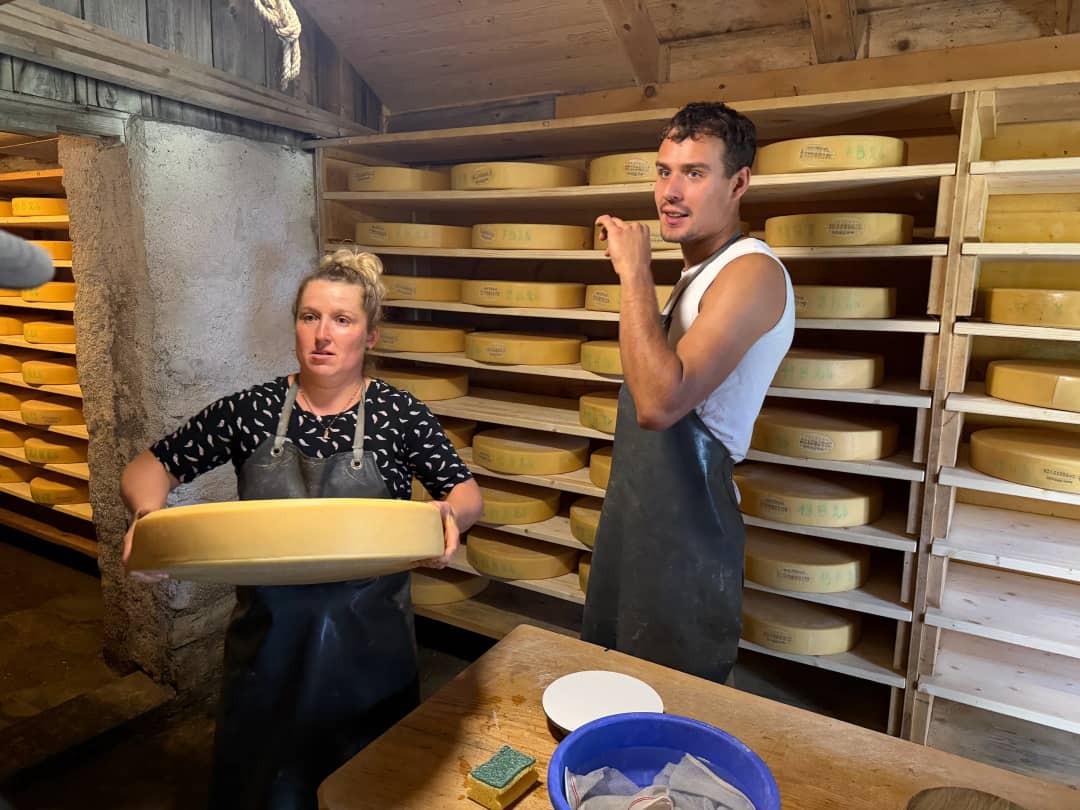
Hier überschreiten wir die Grenze von der Schaukäserei zum echten Betrieb. Die Schiltalp, über dem autofreien Dorf Mürren, ist eine bewirtschaftete Alp, auf der über Holzfeuer gekäst wird, und am Mittwochmorgen können Sie dabei sein.
Das ist « echtes Käsen nach alter Schule », wie ein Besucher schrieb, und es verlangt Einsatz. Der Besuch startet mittwochs um 7:45 Uhr, von Mitte Juni bis Anfang September, und endet gegen Mittag (Stand 8. Oktober 2026). Der Weg dorthin bedeutet rund eine Stunde Aufstieg ab Mürren. Ihr Lohn: das Kessi über dem Feuer und ein Alpfrühstück, im Preis inbegriffen.
Insider-Tipp: Die Anmeldung für die Schiltalp läuft über Mürren Tourismus, das Reservationen bis am Vorabend annimmt. Entscheiden Sie sich am Dienstagnachmittag, sonst brennt das Feuer am Mittwoch ohne Sie.
Die praktischen Angaben:
Preis: CHF 20 Erwachsene und CHF 14 Kinder bis 12 Jahre, mit Gästekarte, Alpfrühstück inbegriffen (Stand 8. Oktober 2026)
Tage: nur mittwochs, Mitte Juni bis Anfang September
Anmeldung: obligatorisch, bei Mürren Tourismus, bis am Vorabend (Dienstag)
Passt für: fitte Frühaufsteher mit Standort im Lauterbrunnental Die Anmeldefrist ist das Detail, an dem die Leute scheitern. Entscheiden Sie sich am Dienstagnachmittag, sonst brennt das Feuer am Mittwoch ohne Sie.
6. Aeschi bei Spiez: die günstige lokale Variante
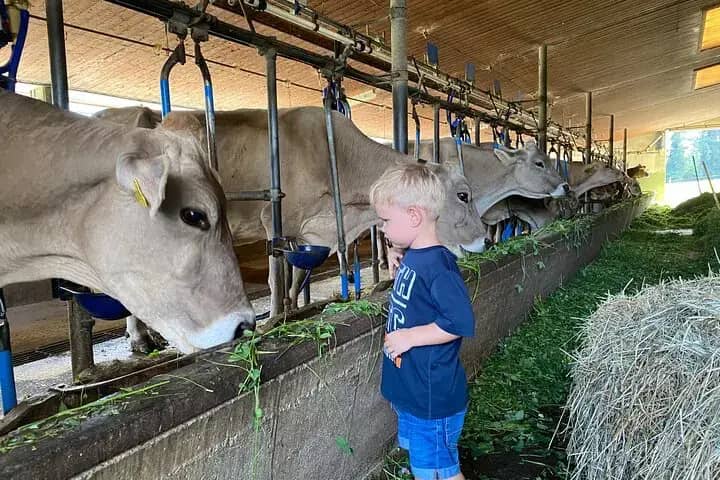
Klein, lokal und internationalen Besuchern fast unbekannt: das Dorf Aeschi über Spiez öffnet seine Alpkäserei am Donnerstag, in einer kurzen Saison, die etwa von Mitte Mai bis Ende Juni und dann von Anfang bis Mitte September läuft.
Das ist die günstige Wahl für Reisende rund um den Thunersee, die einen Blick auf echte Milchwirtschaft werfen wollen, ohne eine teure Tour zu buchen. Die Anmeldung ist obligatorisch, bis am Vorabend um 16:45 Uhr über Aeschi Tourismus, prüfen Sie also aeschi-tourismus.ch für den aktuellen Fahrplan, bevor Sie darum herum planen.
Die praktischen Angaben:
Preis: CHF 20 Erwachsene, CHF 8 Kinder von 7 bis 12 Jahren (Stand 8. Oktober 2026)
Tage: donnerstags, begrenzte Saison (Mitte Mai bis Ende Juni, Anfang bis Mitte September)
Passt für: Reisende in der Nebensaison rund um Spiez und den Thunersee Aeschi liegt zudem am Rand der unbekanntesten Weinüberraschung der Schweiz. Wenn Sie in der Gegend sind, zeigt unser Dossier über die besten Weinregionen der Schweiz, von Lavaux bis Spiez, was als Nächstes ins Glas gehört.
7. Justistal: ein Betrieb mit 21 Kühen bei Interlaken
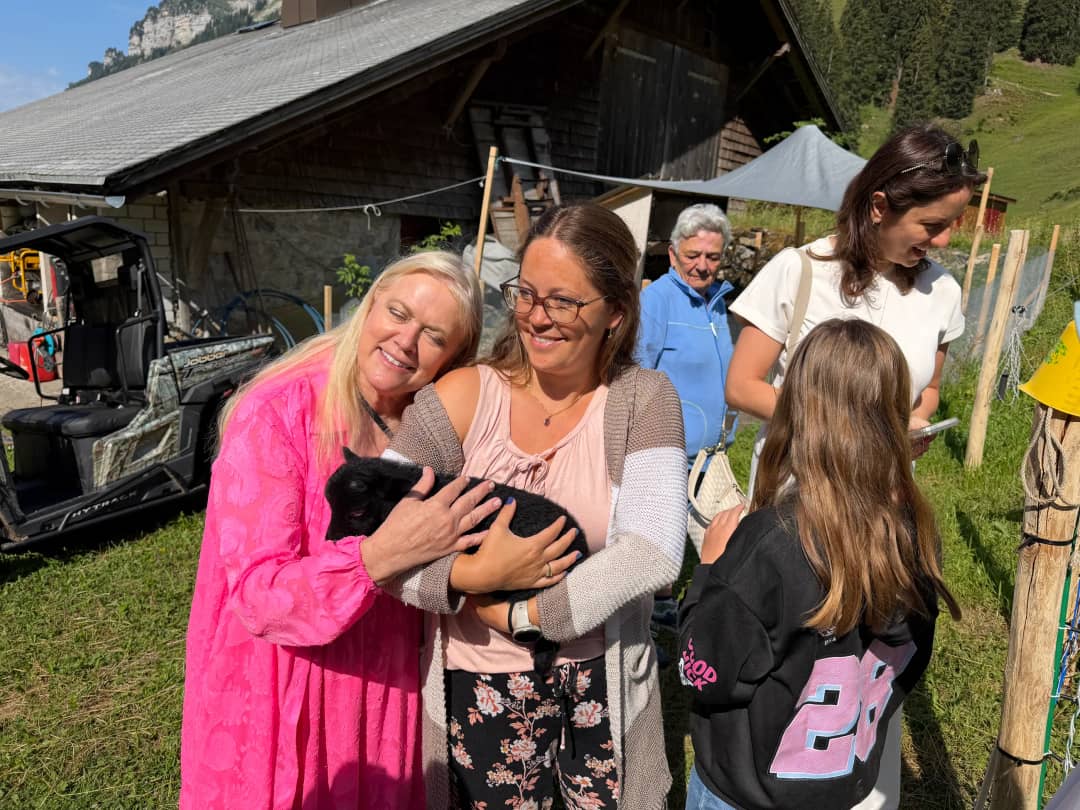
Den Betrieb, den ich von innen kenne, habe ich mir für den Schluss aufgehoben. Das Justistal ist ein Tal über dem Thunersee, das Tal, das die Touristenkarten auslassen. Auf 1370 Metern führt Daniela das Sigriswiler Bärgli, in einem Tal, das seinen Sommerkäse seit 1739 jeden September am Chästeilet verteilt. Einundzwanzig Kühe. 348 Laibe Alpkäse in einem Sommer. Weit und breit kein Besucherzentrum.
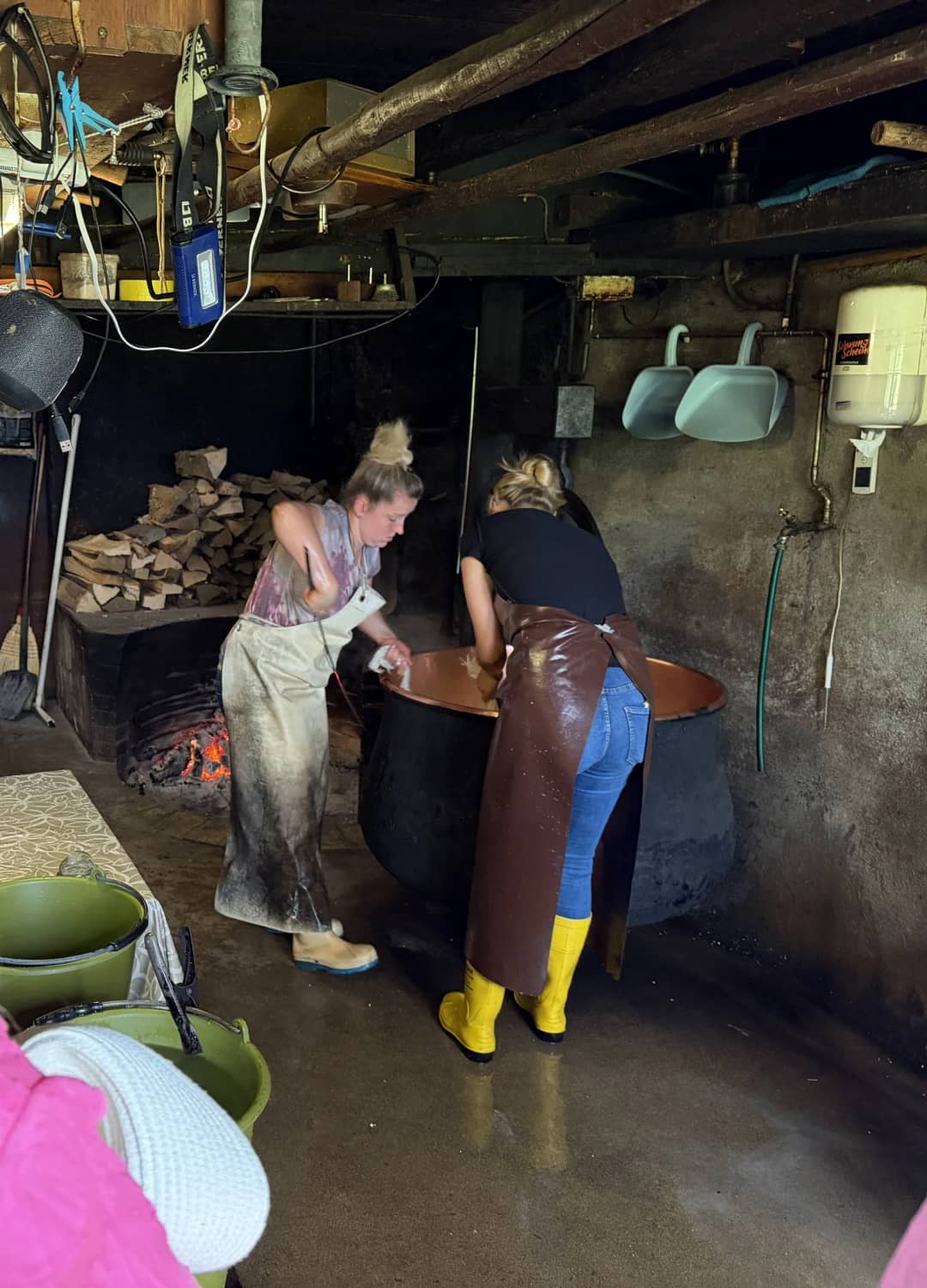
Unsere Farm Tour bringt höchstens 8 Gäste zu ihr hinauf. Zuerst gibt es Frühstück. Gegen zehn Uhr sehen Sie zu, wie Daniela den Käse des Tages macht, nah genug, um die Hitze des Feuers zu spüren. Wer ein eigenes Stück will: Daniela verkauft ihren Käse direkt vor Ort.
Wenn Sie vor der Buchung wissen möchten, wie diese vier Stunden ablaufen, von der Abholung um 8 Uhr bis zur Rückfahrt, finden Sie den Ablauf der Tour Stunde für Stunde in einem eigenen Artikel.
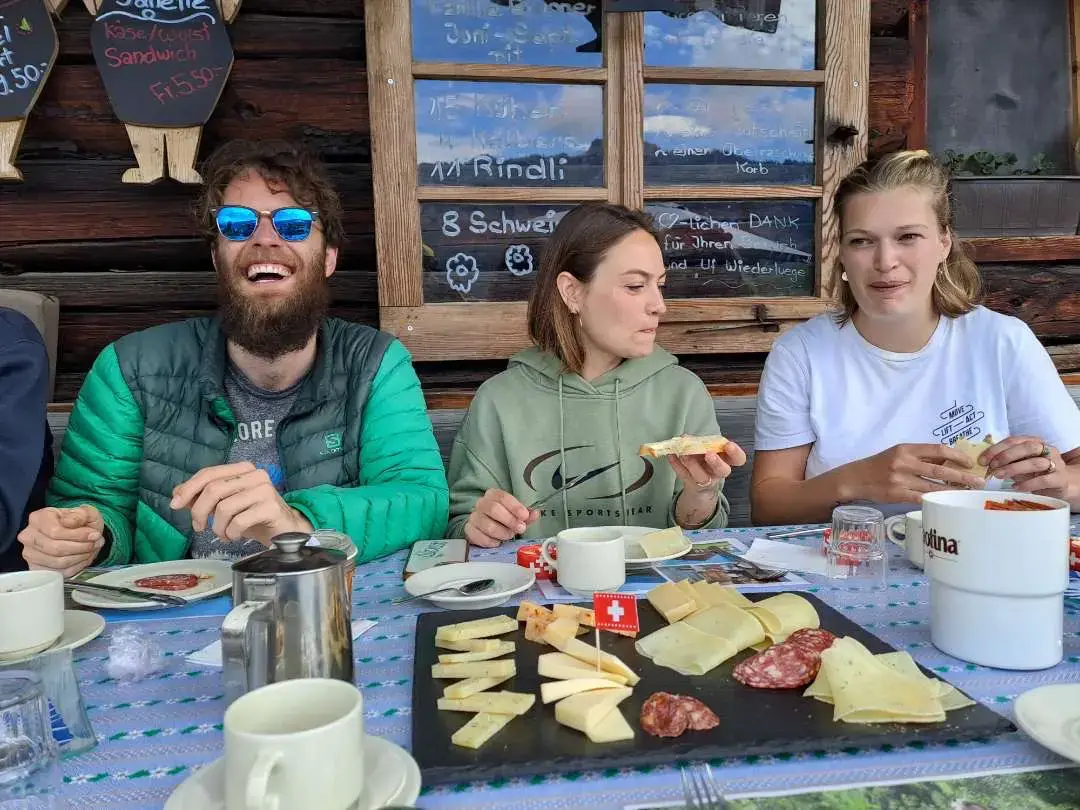
Der Moment, den Gäste in Bewertungen am häufigsten nennen, ist dieses Bauernfrühstück mit dem Tal zu Ihren Füssen: Käse, gereift von einigen Monaten bis über ein Jahr, hofeigene Butter, Eier ihrer Hühner, Rohmilch vom Melken am Morgen und Brot vom selben Morgen. Ein Paar nannte das Ganze « ein herausragendes Erlebnis, an das mein Mann und ich uns für immer erinnern werden ». Warum diese Mahlzeit so einschlägt, haben wir in Schweizer Alpfrühstück beschrieben.
Den ganzen Tisch, Posten für Posten, vom Reifegrad der Käse bis zum Brot, das am selben Morgen aus dem Ofen kommt, beschreiben wir in was zum Alpfrühstück gehört.
Teona sagt: „Als ich zum ersten Mal in Danielas Käsekeller stand, machte ich etwas, das ich seit dem Hof meiner Eltern nicht mehr gemacht hatte: ich legte die flache Hand auf einen frischen Laib, nur um die Wärme darin zu spüren.“
Teona Gvasalia, Ihrer Alpenguidin bei Swiss Local Adventures
Als ich zum ersten Mal in Danielas Käsekeller stand, machte ich etwas, das ich seit dem Hof meiner Eltern nicht mehr gemacht hatte: ich legte die flache Hand auf einen frischen Laib, nur um die Wärme darin zu spüren. Das ist der Unterschied, den kein Steg hinter Glas nachbauen kann. Gäste spüren es auch. « Das Gespräch mit der Bäuerin war grossartig » kommt immer wieder, denn « die Bauernfamilie ist glücklich, ihr herzlicher Empfang und ihre harte Arbeit waren spürbar ». Daniela können Sie schon vor der Buchung kennenlernen, in unserem Gespräch mit der Älplerin hinter der Tour.
Die praktischen Angaben:
Preis: CHF 149, alles inbegriffen: Transport ab Interlaken, Besuch auf der Alp, Bauernfrühstück, Käsedegustation und Live-Übersetzung von Danielas Schweizerdeutsch
Tage: dienstags und donnerstags, Abfahrt um 8 Uhr morgens ab Interlaken West, insgesamt rund 4 Stunden
Gruppengrösse: maximal 8, garantiert
Kinder: kein Mindestalter, ein Kindersitz auf Anfrage
Passt für: Reisende, die einen echten Betrieb wollen, ohne Wanderung, ohne alpinen Frühstart und ohne Mietwagen
Nun die berechtigte Frage: warum CHF 149 zahlen, wenn La Maison du Gruyère CHF 8 kostet? Weil Sie kein Ticket kaufen, sondern Zugang. Eine Schaukäserei skaliert auf Tausende Besucher pro Tag. Eine Alp mit 21 Kühen kann das nicht, und der Preis deckt Transport, Übersetzung, Frühstück und einen Bauernmorgen, den Sie mit 8 statt mit 800 Personen teilen. Die Rechnung machen wir ehrlich auf in Ist die Farm Tour ab Interlaken CHF 149 wert?
Ein regionaler Bonus für Ende September: im Justistal findet der Chästeilet statt, die traditionelle Zeremonie, bei der die Laibe des Sommers unter den Bauern aufgeteilt werden. Es ist eine der grossen lebendigen Traditionen des Berner Oberlands.
Ihre Fragen zu Alpbesuchen und Käsereien
Was kostet eine Käsereibesichtigung in der Schweiz?
Tickets für Schaukäsereien reichen von CHF 7 bis CHF 13: der Moléson kostet CHF 7, La Maison du Gruyère CHF 8, und die Appenzeller Schaukäserei in Stein kostet CHF 13. Besuche auf bewirtschafteten Alpen kosten mehr, weil mehr enthalten ist. Die Schiltalp verlangt CHF 20 pro Erwachsenem mit Gästekarte, inklusive Alpfrühstück, dazu kommen Ihre eigene Anreise und eine Stunde Aufstieg. Die Farm Tour ins Justistal kostet CHF 149, inklusive Transport ab Interlaken, Frühstück, Degustation und Übersetzung. Spartipp für Passinhaber: La Maison du Gruyère ist mit dem Swiss Travel Pass gratis, damit wird sie zur kostenlosen Ergänzung eines Tages am Schloss Gruyères.
Wenn Sie der Abstand zwischen CHF 7 und CHF 149 zögern lässt, haben wir die vollständige Rechnung, Transport und Frühstück inbegriffen, in was der Preis abdeckt aufgeschlüsselt.
Wann wird in der Schweiz Alpkäse gemacht?
Nur im Sommer. Alpkäse gibt es, weil die Bauern ihre Herden hinauftreiben, sobald die hochgelegenen Weiden grün werden, ungefähr von Juni bis September, und dort käsen, wo die Kühe grasen. Darum haben die Alpbetriebe in diesem Guide, Schiltalp, Aeschi und das Justistal, saisonale Zeiten, während Schaukäsereien ganzjährig geöffnet sind. Sie reisen Anfang September? Das geht, aber reizen Sie es nicht aus: die Besuche auf der Schiltalp enden Anfang September, und die Herden kommen herunter, sobald das Wetter dreht. Wer im Oktober reist, plant besser eine Schaukäserei ein. Die ganze Geschichte hinter diesem Käse steht in Was ist Alpkäse?
Kann man in der Schweiz seinen eigenen Käse machen?
Einige Besucherzentren verkaufen Workshops, in denen Sie in einem kleinen Topf rühren und einen frischen Minikäse mit nach Hause nehmen. Das macht Spass, aber verstehen Sie, was es ist: ein Vorführformat, getrennt von der echten Produktion. Auf einer bewirtschafteten Alp ist der Käse das Einkommen der Bäuerin, jeden Tag gemacht, nach Abläufen, die sich nicht nach Besucherzeiten richten. Sie beobachten also das Echte, statt eine Souvenirversion herzustellen. Auf der Farm Tour ins Justistal schauen Gäste Danielas Produktion aus nächster Nähe zu, probieren das Ergebnis und können ein Stück des echten Sommerkäses kaufen. Den meisten bleibt es stärker in Erinnerung, einer Meisterin zuzusehen, als selbst zu rühren.
Eignen sich Schweizer Käsereibesuche für Kinder?
Grundsätzlich ja, und oft überraschend gut. Eltern berichten durchweg, dass Kinder von den Tieren, vom Feuer und von der schieren Fremdheit gefesselt sind, Milch zu Käse werden zu sehen. Schaukäsereien sind die einfache Variante: kurz, kinderwagentauglich, Moléson günstig für Familien. Bewirtschaftete Alpen verlangen mehr Augenmass. Die Schiltalp bedeutet eine Stunde Aufstieg und einen Start um 7:45 Uhr morgens, das ist viel für kurze Beine. Die Farm Tour ins Justistal hat kein Mindestalter und stellt auf Anfrage einen Kindersitz bereit.
Eltern, die es praktisch wissen wollen, vom Frühstück für Kleinkinder bis zur Fahrzeit mit einem Vierjährigen, finden die Antworten in unserem Elternguide zur Farm Tour.
Was ist der Unterschied zwischen einer Schaukäserei und einem Alpbetrieb?
Eine Schaukäserei ist eine Anlage für Besucher, in der Berufskäser hinter Glas nach verlässlichem Tagesplan arbeiten, das ganze Jahr. Ein Alpbetrieb ist ein familiärer Arbeitsplatz, der Sie hereinlässt. Der Unterschied zeigt sich dreifach: Nähe (Aussichtsplattform statt Platz am Feuer), Menschen (Angestellte statt Bauernfamilie) und Einsatz (eine Vorführung statt des Käses, von dem die Familie lebt). Beides hat seine Berechtigung. Eine Schaukäserei ist im Winter, bei knappem Budget oder wenig Zeit die richtige Wahl. Wenn Sie aber auf ein Urteil wie « das Highlight unserer Reise » aus sind, stammt es fast immer von der Hofseite dieser Liste.
Das ehrliche Fazit: hinter dem Glas beginnen, am Feuer enden
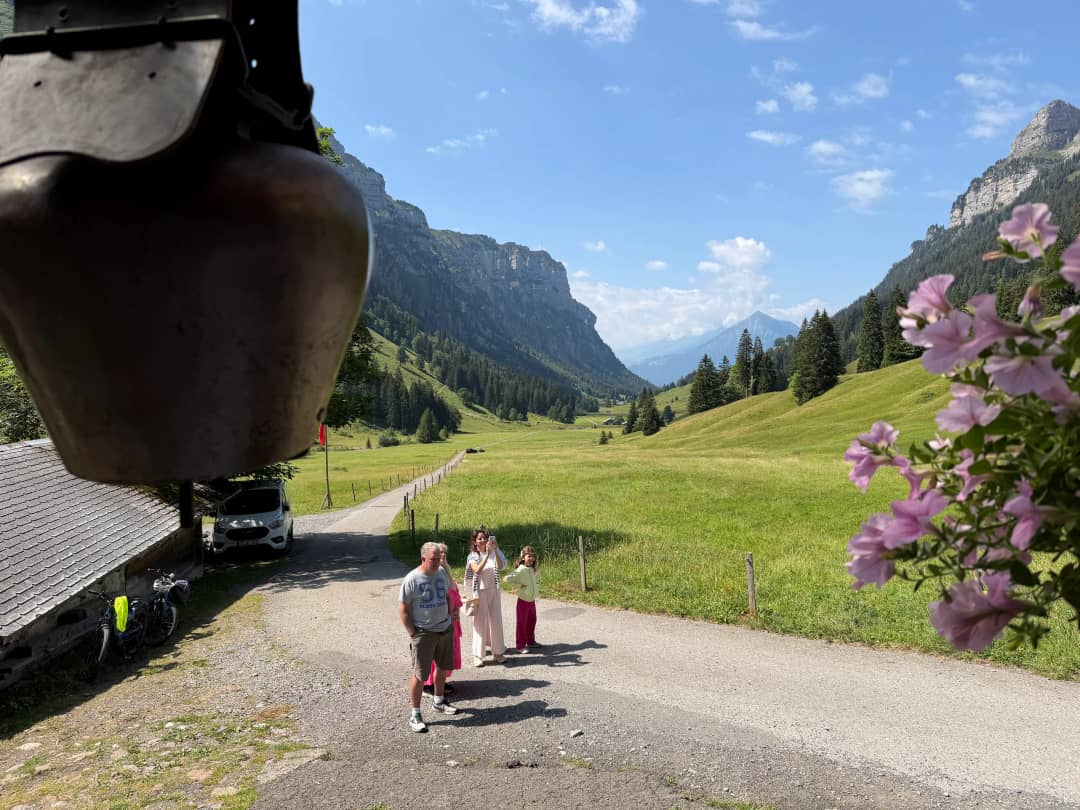
Das Muster dieser Liste ist einfach. Je weiter Sie sich vom Bahnhof entfernen, desto näher kommen Sie dem Echten. Gruyères gibt Ihnen Bequemlichkeit, « ein paar Infotafeln und alte Videos » inklusive. Der Moléson gibt Ihnen das Feuer. Die Schiltalp gibt Ihnen die Alp, wenn Sie es mittwochs bis 7:45 Uhr morgens hinaufschaffen.
Und das Justistal gibt Ihnen das Ganze ohne Hürden: ein Betrieb mit 21 Kühen, eine Bäuerin, die man kennenlernen sollte, Frühstück auf 1370 Metern, Übersetzung inklusive, keine Wanderung, zweimal pro Woche ab Interlaken West.
Wenn das die Schweiz ist, für die Sie gekommen sind, prüfen Sie die Daten und buchen Sie die Farm Tour. Dienstags und donnerstags, maximal 8 Gäste, und die Saison endet am 15. September.
Fragen zu Daten oder zur Mitnahme von Kindern? Schreiben Sie Pierre auf WhatsApp unter +41 76 721 14 43.
So ist dieser Artikel entstanden: Fakten und Preise am 8. Oktober 2026 bei den offiziellen Quellen geprüft, mit KI-Unterstützung geschrieben.
*Geschrieben von Teona Gvasalia, Ihrer Alpenführerin bei Swiss Local Adventures
Quelle:
Besuch vor Ort auf dem Sigriswiler Bärgli, Justistal, 2026.
Schlagwörter
#farm-tour-interlaken#swiss-dairy-farm#alpine-cheese#show-dairy#cheese-making#working-farm
Quellen & Referenzen
Diesen Artikel teilen
Ähnliche Artikel
Setzen Sie Ihre Lektüre mit diesen verwandten Artikeln fort
Bauernhof, Wein & Fondue
3.10.2026
12 Min
Käsefondue Interlaken: Wo ein lokaler Guide isst
Bestes Käsefondue in Interlaken: Die Taverne für CHF 30 pro Person. Wo unsere Gruppen essen, was Sie bestellen und wie Sie Fallen meiden.
best-fondue-interlakencheese-fondue-interlakenwhere-to-eat-interlaken
Von Pierre VetschMehr Lesen
Bauernhof, Wein & Fondue
20.8.2026
7 Min
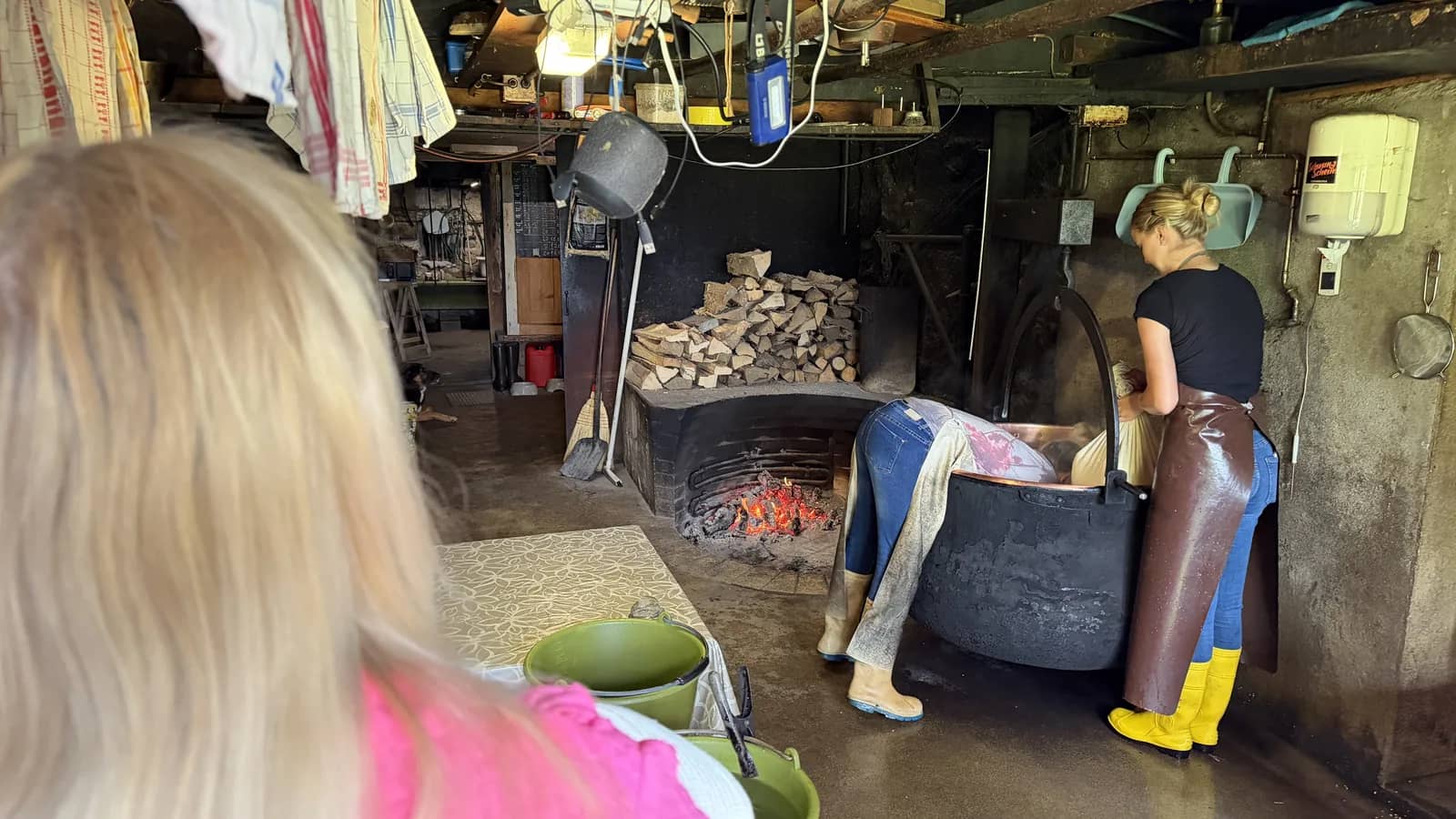
Kulinarische Erlebnisse in der Schweiz: Insider-Guide
Kulinarische Erlebnisse in der Schweiz jenseits von Fondue: Alpkäse vom Holzfeuer, nur 14 Wochen im Jahr, und die Alpen, wo Sie dabei zusehen dürfen.
swiss-food-experiencesalpine-cheeseswiss-dairy-farm
Von Pierre VetschMehr Lesen
Bauernhof, Wein & Fondue
19.8.2026
5 Min
Weintour Spiez: Lohnt sich der Preis von CHF 139?
CHF 139 für 3 Stunden: Abholung in Interlaken, vier Weine, drei Käse, maximal 8 Gäste. So schlägt sich die Weintour Spiez gegen Schweizer Alternativen.
wine-tour-interlakenwine-tasting-cost-switzerlandswiss-wine
Von Olivia LufmanMehr Lesen