Interlaken
How to Steer a Sled: A Swiss Guide's Brake Method
P
Pierre Vetsch
Author
October 4, 2026
9 min
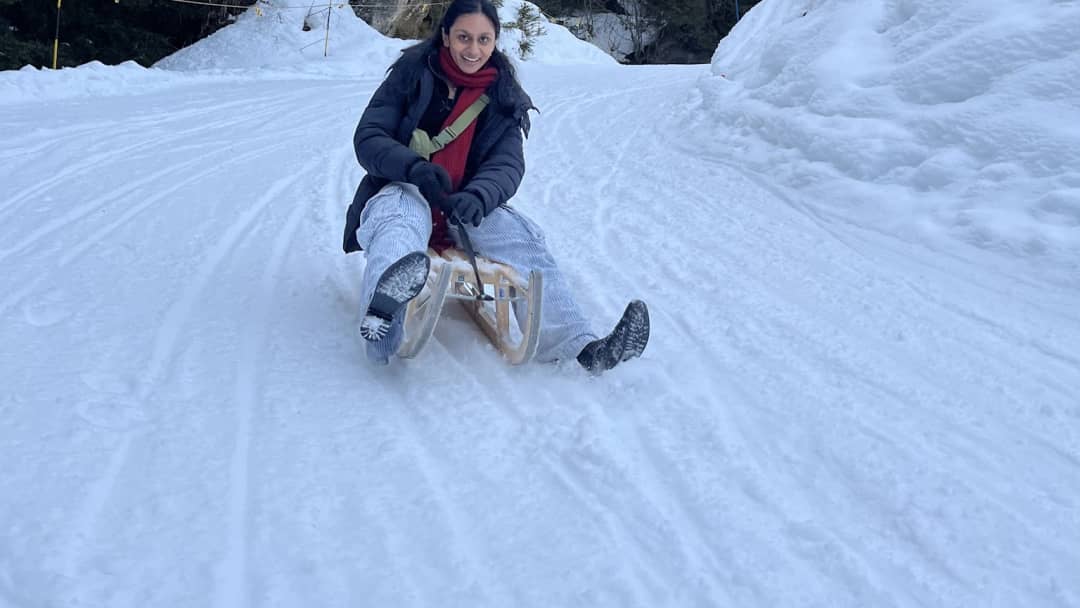
How to steer a sled comes down to two moves: put your inside foot on the snow to turn, and press both heels flat to brake. Most first-timers lean their body and forget their feet. On a Swiss sled road, the feet are the steering wheel and the brake pedal.
A sled run here is not a garden slope. On our Sunset Sledding tour, the road from Sulwald down to Isenfluh drops 425 metres over 4.72 km, an average gradient of 9%. You need no talent for it, and no ski lessons. You need your feet, in the right order.
How do you steer a sled?
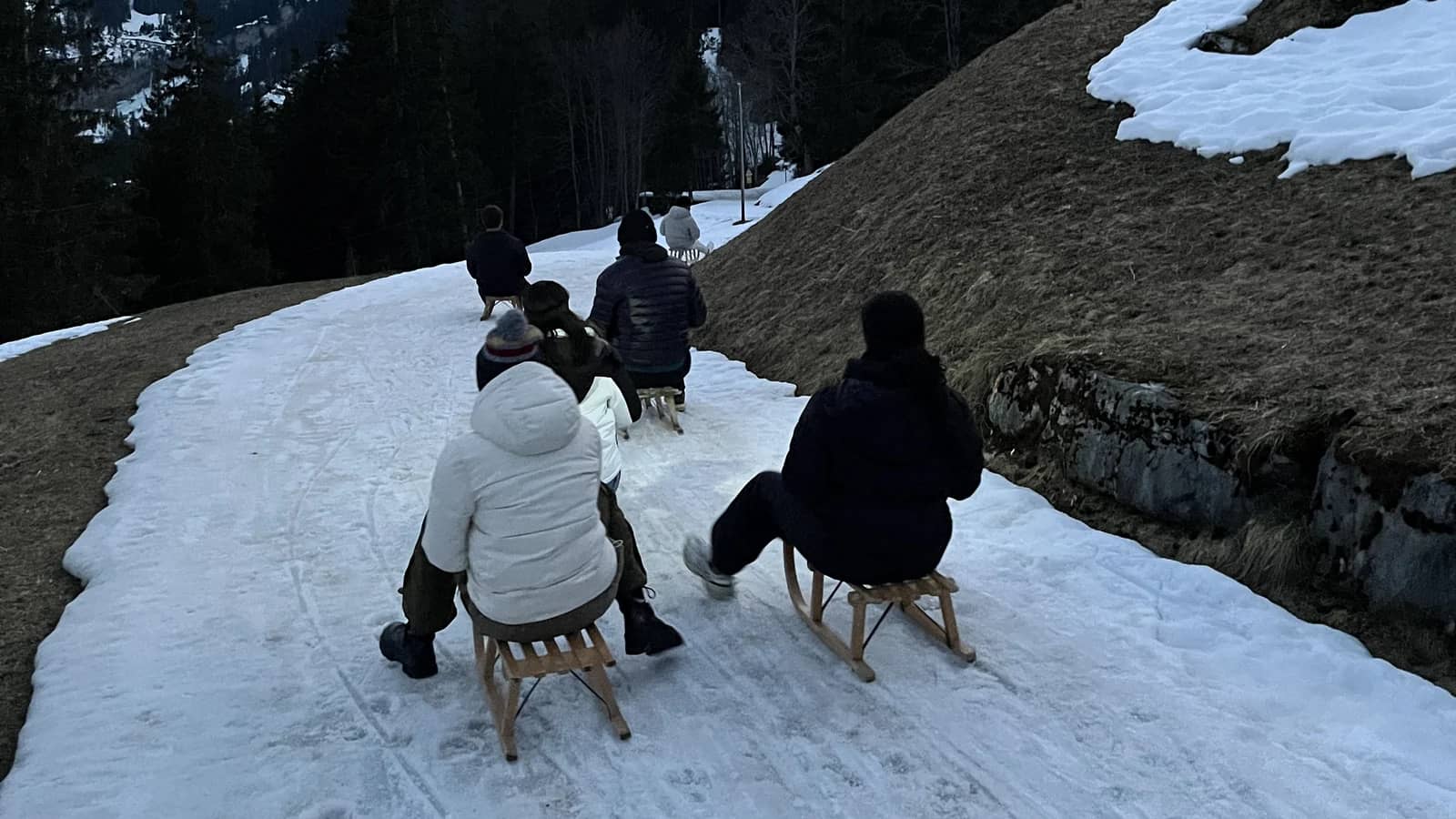
You steer a wooden sled with the foot on the inside of the bend. Lower it onto the snow beside the runner and press: the sled pivots around that foot and turns. Lean your weight the same way to help it. The Swiss accident prevention office (BFU) describes exactly this move for the classic sled, and it is the one I teach at the top.
Pierre says: "The inside foot on the ground."
Pierre Vetsch, founder and head guide at Swiss Local Adventures
To turn left, the left foot goes down. To turn right, the right one. Start the turn early: a sled carries its speed into the bend and does not turn like a bike. If you wait until you are in the corner, the only thing left is the brake.
On a Rodel, the steerable sled, the BFU method is different. You lean in, push the outer runner inward with your leg, and pull the strap to lift the inside runner. It is the sled I tell beginners to rent when they go on their own.
How do you brake on a sled?
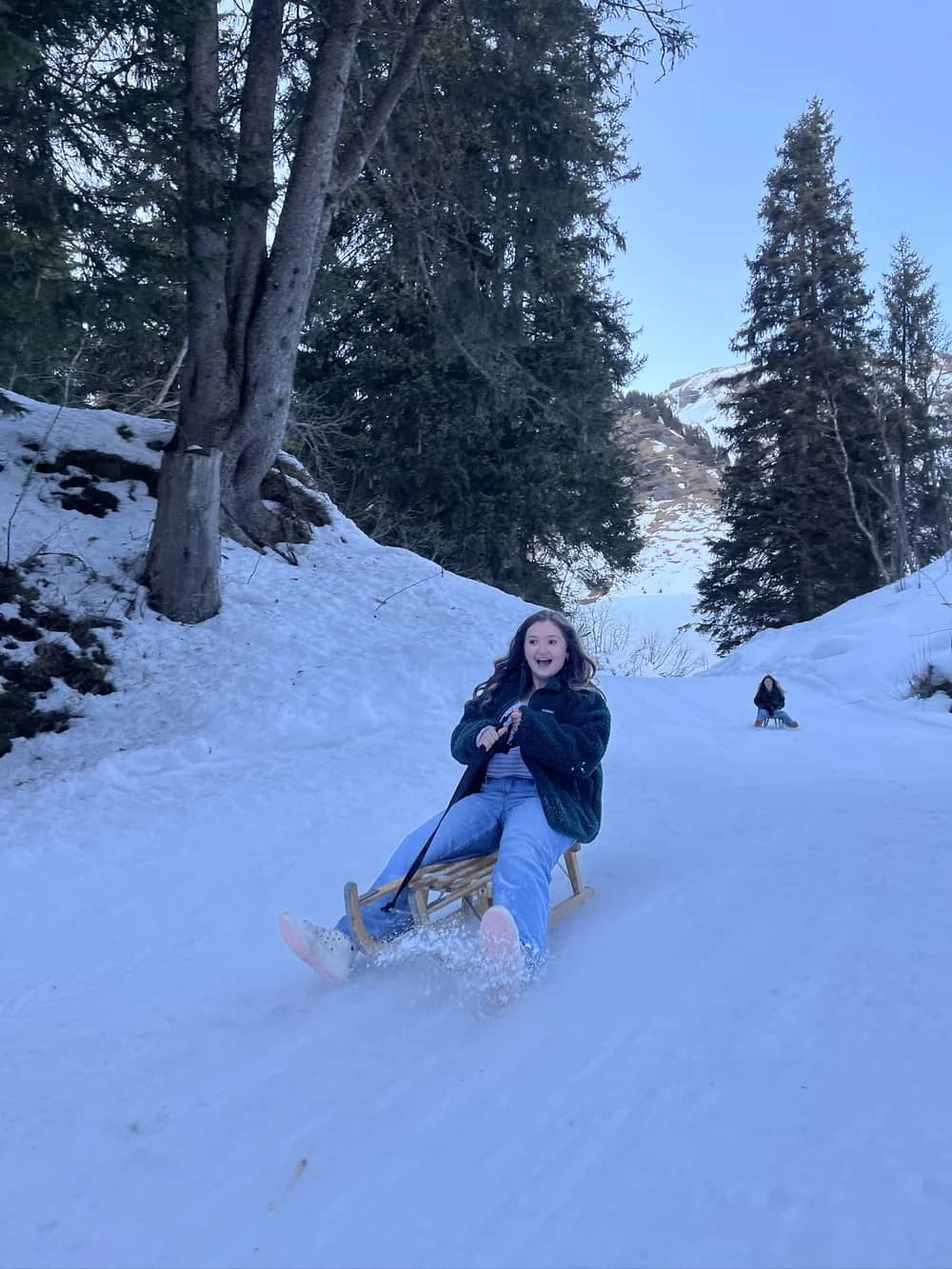
You brake with both heels, flat in the snow, right beside the runners. Keep your knees bent, never locked straight. To brake harder, lift the front of the sled so more of your weight goes onto your heels. This is the BFU method, and it works the same way on a wooden sled and a Rodel.
Pierre says: "Brake with both heels."
Pierre
It is the first thing I say before anyone sits down. One foot turns the sled, two heels stop it. A flat heel with a deep tread bites into the snow, a pointed toe skates over it. That is also why your boots matter, and why we wrote a page on what to wear sledding in Switzerland.
At night, when I brake hard, the snow sprays up into my face. Then the sled stops, and the forest goes silent.
Insider tip: On hard or icy snow, the BFU recommends slip-on soles with spikes, above all under the heel. Chains are less suited: braking through chains puts too much load on your feet.
Rodel or wooden Davos sled: which is easier to steer?
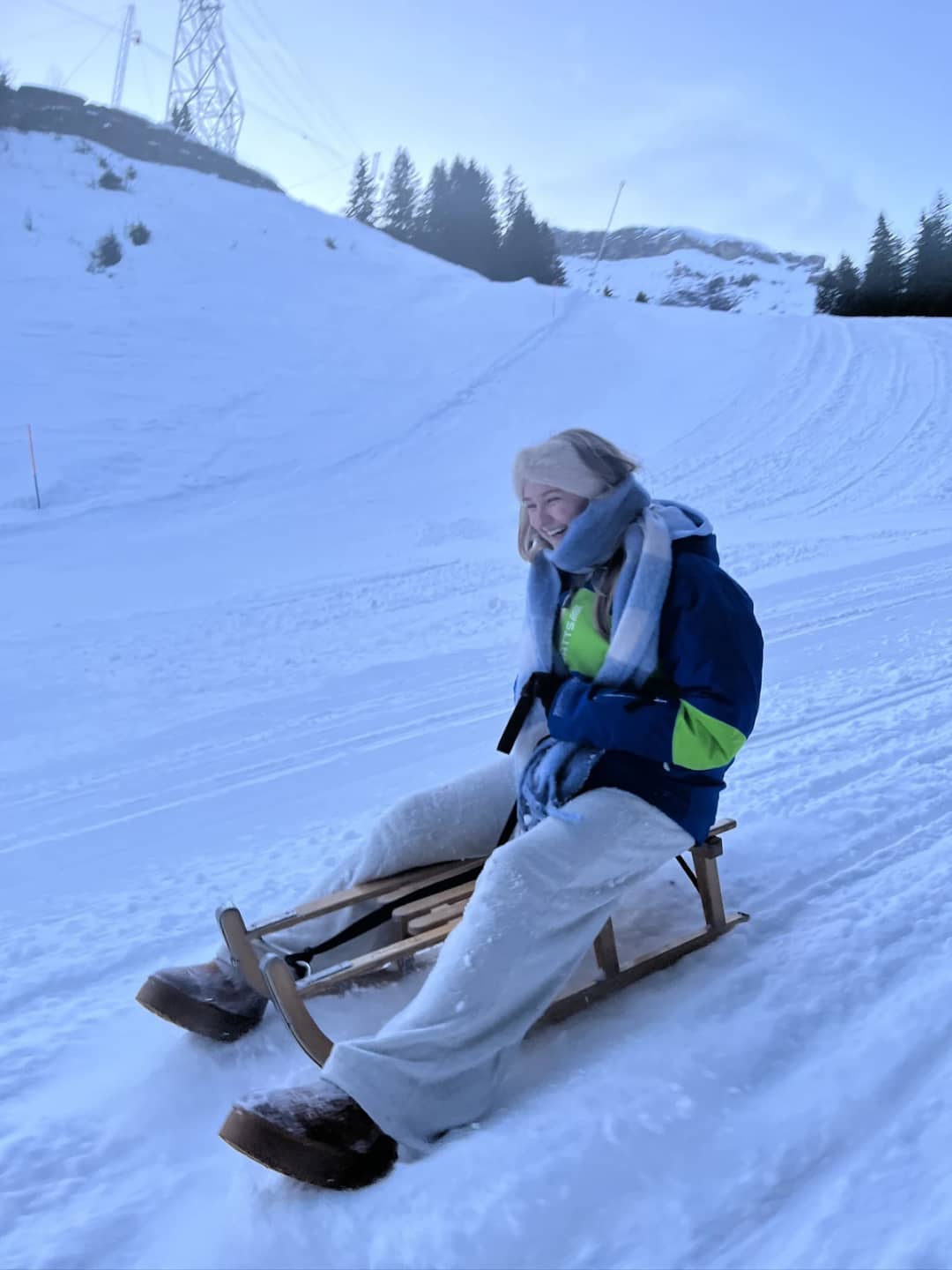
The Rodel. A classic wooden sled, often called a Davos sled, is rigid, and its flat runners steer badly, says the BFU: on firm or icy snow, only a Rodel steers properly. A Bob, the plastic one with a handle, works in soft wet snow, but on hard snow it gets very fast and both braking and steering become difficult.
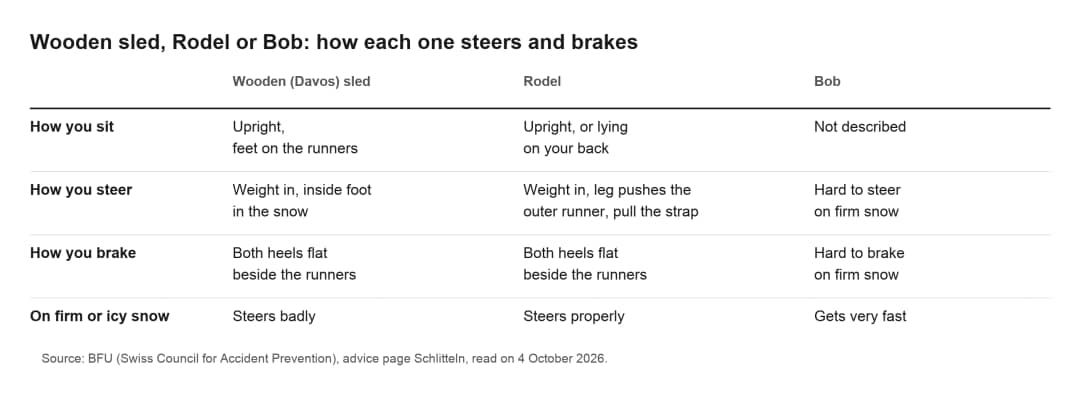
The table in words. Wooden sled: you sit upright with your feet on the runners, you steer with the inside foot in the snow, and it struggles on ice. Rodel: you sit upright or lie on your back, legs pressed against the runners from outside, and you steer with your leg and the strap. Bob: fine in soft snow, hard to brake and steer on firm snow. The wooden sled and the Rodel brake the same way, with two heels.
So why do we lend wooden sleds on our tour? Because the run is rated easy, the first stretch is flat for practice, and a guide shows you the inside foot before you start. Verdict: if you rent on your own for a long or steep run, take a Rodel. On an easy road with a briefing, a wooden sled does the job, as long as you use your feet.
Asked which sled a beginner should rent, I say: "A Rodel."
How should you sit on a sled?
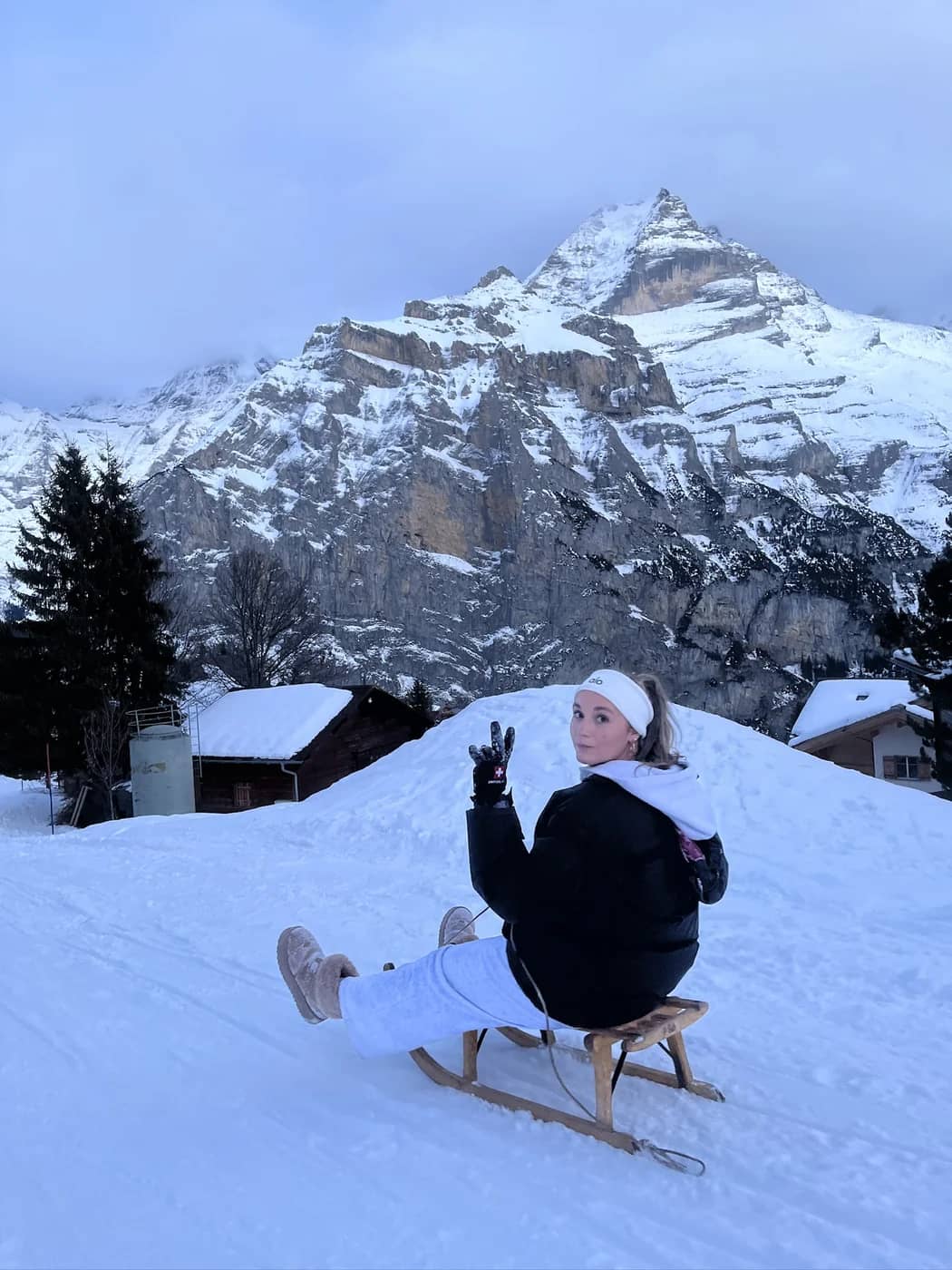
Sit upright, at the back of the sled, with your hands on the wooden frame. On a classic sled, rest your feet on the front of the runners, ready to drop them into the snow. On a Rodel, the BFU allows two positions: upright, or lying on your back with your legs pressed against the runners from outside.
For a first run, stay upright and feet first. You see the bend sooner, and your heels are already where the brake is. Never go head first on a road: your feet are the only brakes you have.
Fun fact: The Sulwald to Isenfluh road starts at 1,520 metres and ends at 1,095 metres, according to swisstopo. Braking for that long is a workout, and your thighs will tell you at the bottom.
Where do beginners lose control?
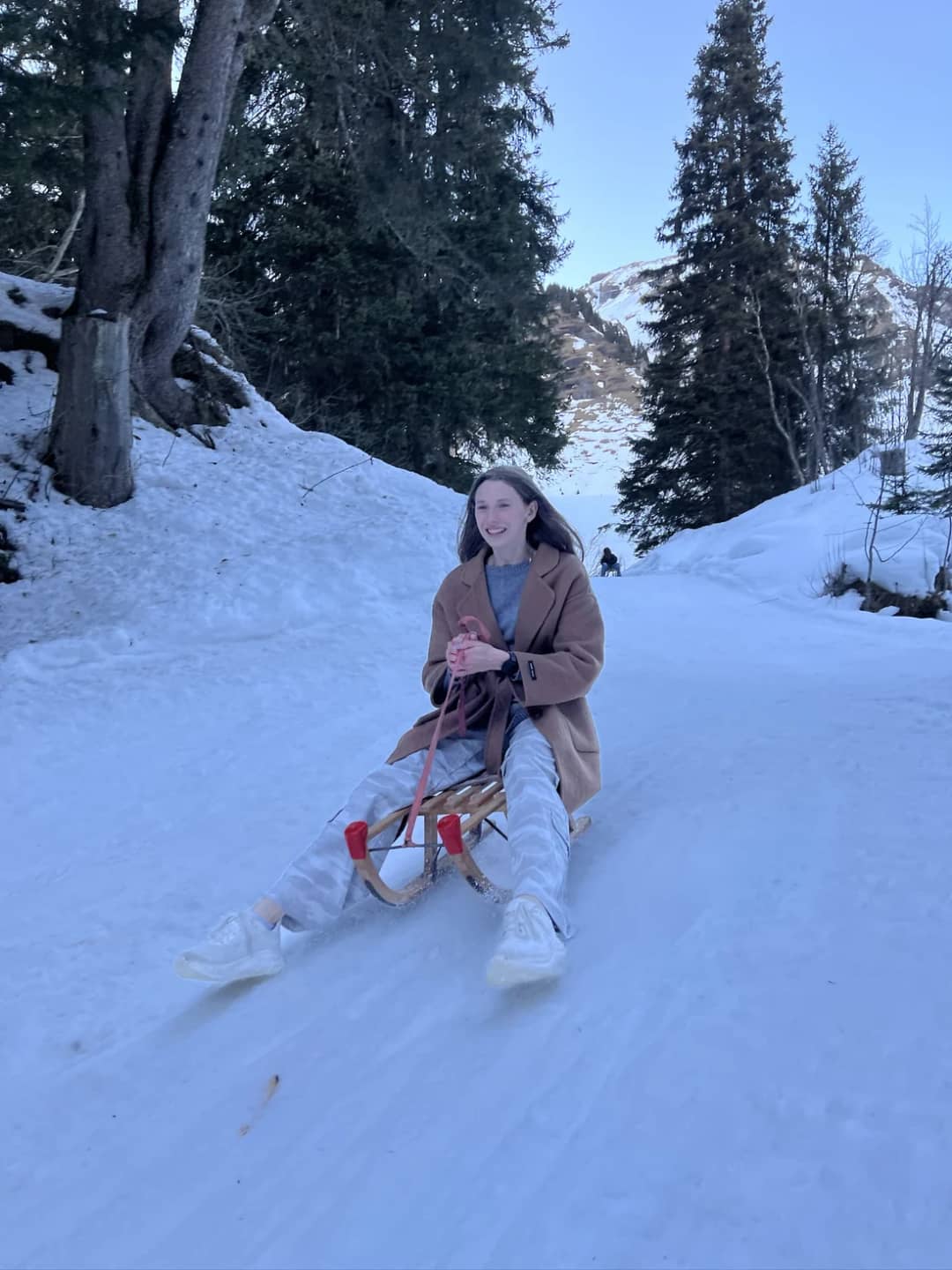
In a bend they entered without using their feet. Asked about the steering mistake I see most, I answer: "They lean over the sled without using their feet to turn." On a rigid wooden sled, leaning alone does almost nothing. The sled goes straight, and the bend arrives.
Speed makes it worse. In BFU test rides, even inexperienced sledders passed 40 km/h on an easy sled path, as we explain in is night sledding dangerous. A sled that reaches the corner at that speed will not turn, whatever you do with your weight.
On the Isenfluh road, the spot where you really need to brake is the bottom, where it is icy. On ice, the BFU's heel spikes earn their place. The road averages 9%; on the Eiger Run, the steepest part is four times that, which is why we tell beginners to leave it for their second winter in our guide to the best sledding runs near Interlaken.
How long does it take to learn to sled?
Five to ten minutes. That is how long most beginners need on our tours before they feel at ease on the sled. Sledding asks for no lessons and no ski gear, which is why it suits groups where some people ski and others never have.
I know a guest has understood the moment they speed up. For a first run on your own, I pick the Bob Run in Mürren.
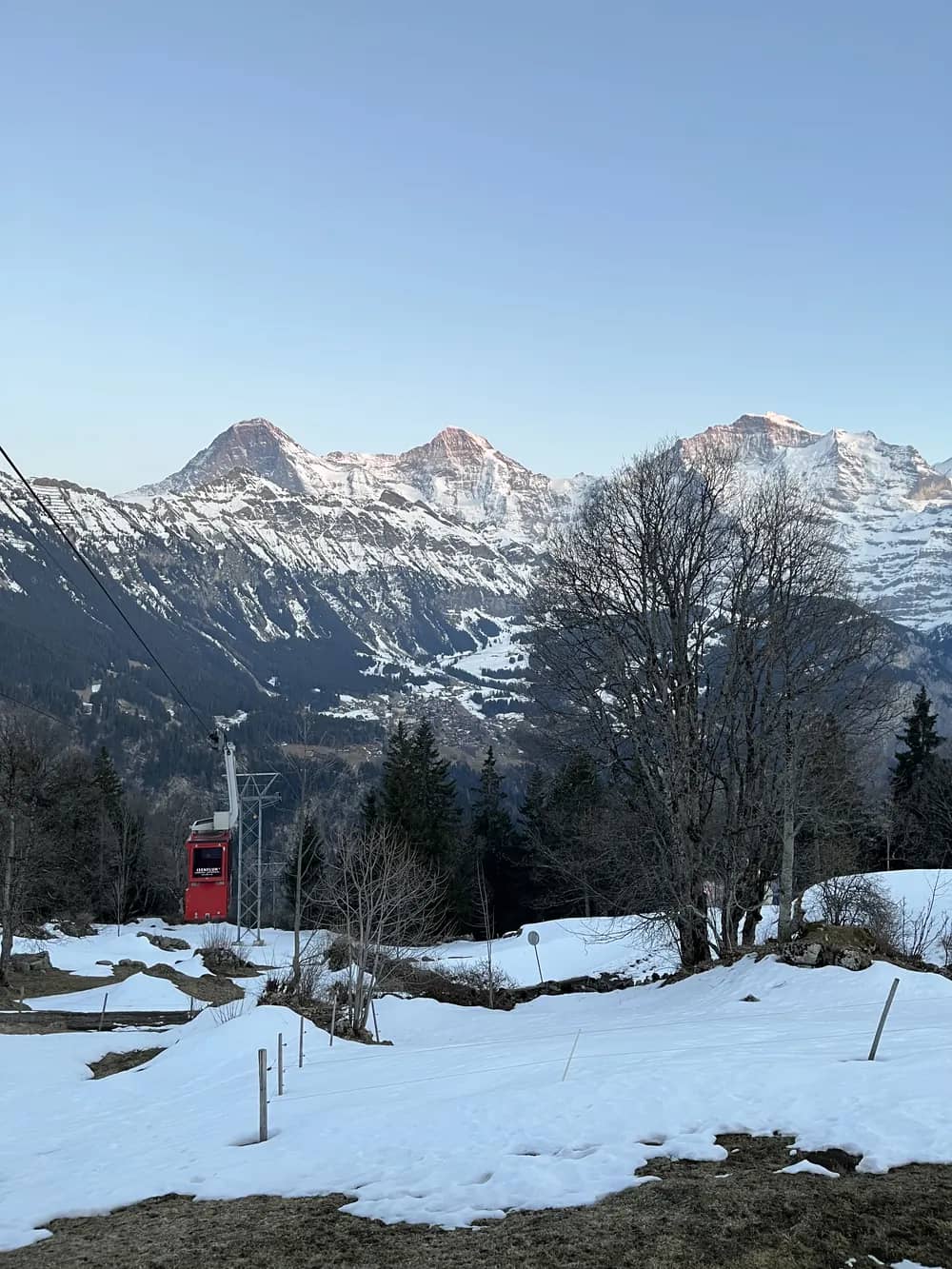
Before we go up, Peter, the cable car attendant at Isenfluh, tells me the state of the runs. He always has a little story for the group, and he shows us photos and videos. One of them is the cow in the egg: when the farm at the top moves its cows down to the village, they ride in the same small rustic cabin we take up to Sulwald.
Your Questions About Steering a Sled
How do you stop a sled quickly?
Press both heels flat into the snow beside the runners and lift the front of the sled. That is the BFU method for a hard stop, and it works on a wooden sled and on a Rodel. Do not dig in your toes and do not straighten your legs: toes give almost no grip, and locked knees send the shock into your hips. On ice, heels alone may not be enough, which is why the BFU recommends slip-on spikes under the heel. If you still cannot stop before an obstacle, roll off the sled to the side, away from the track, rather than ride into it. Then walk the last metres down. On a guided tour, nobody minds.
Can you steer a plastic sled?
Barely. A plastic Bob with a handle steers in soft, wet snow, but the BFU warns that on firm or icy snow it becomes very fast, and both braking and steering get difficult. A round plastic saucer has no runners at all, so it does not really steer: it follows the slope and spins. That is fine on a short garden hill with a flat run-out. On a Swiss sled road, where the snow is often packed hard, take a wooden sled or, better, a Rodel. Both have runners that bite into the snow, and both brake with your heels.
Is it easier to steer a sled at night?
It is not easier, but on my tours people ride slower at night. A headlamp lights the track in front of you, not the whole forest. The technique stays the same: inside foot to turn, both heels to brake. What changes is that you see the bend later, so you brake before it, not in it. On our Sunset Sledding tour the headlamp is included, and I ride at the back of the group. The risks of the dark, and how they compare with skiing, are covered in our article on whether night sledding is dangerous.
Do you need to know how to ski to go sledding?
No. Sledding needs no ski lessons, no ski boots and no ski technique. You sit down, steer with your inside foot and brake with your heels. That is why it works for groups where some people ski and others have never stood on skis. What you do need are waterproof winter boots with a good tread, because your feet do all the work, and warm trousers, because you sit in the snow. On our tour the sled and headlamp are included, and ski trousers and jackets can be rented for CHF 5 per item, with gloves lent free of charge.
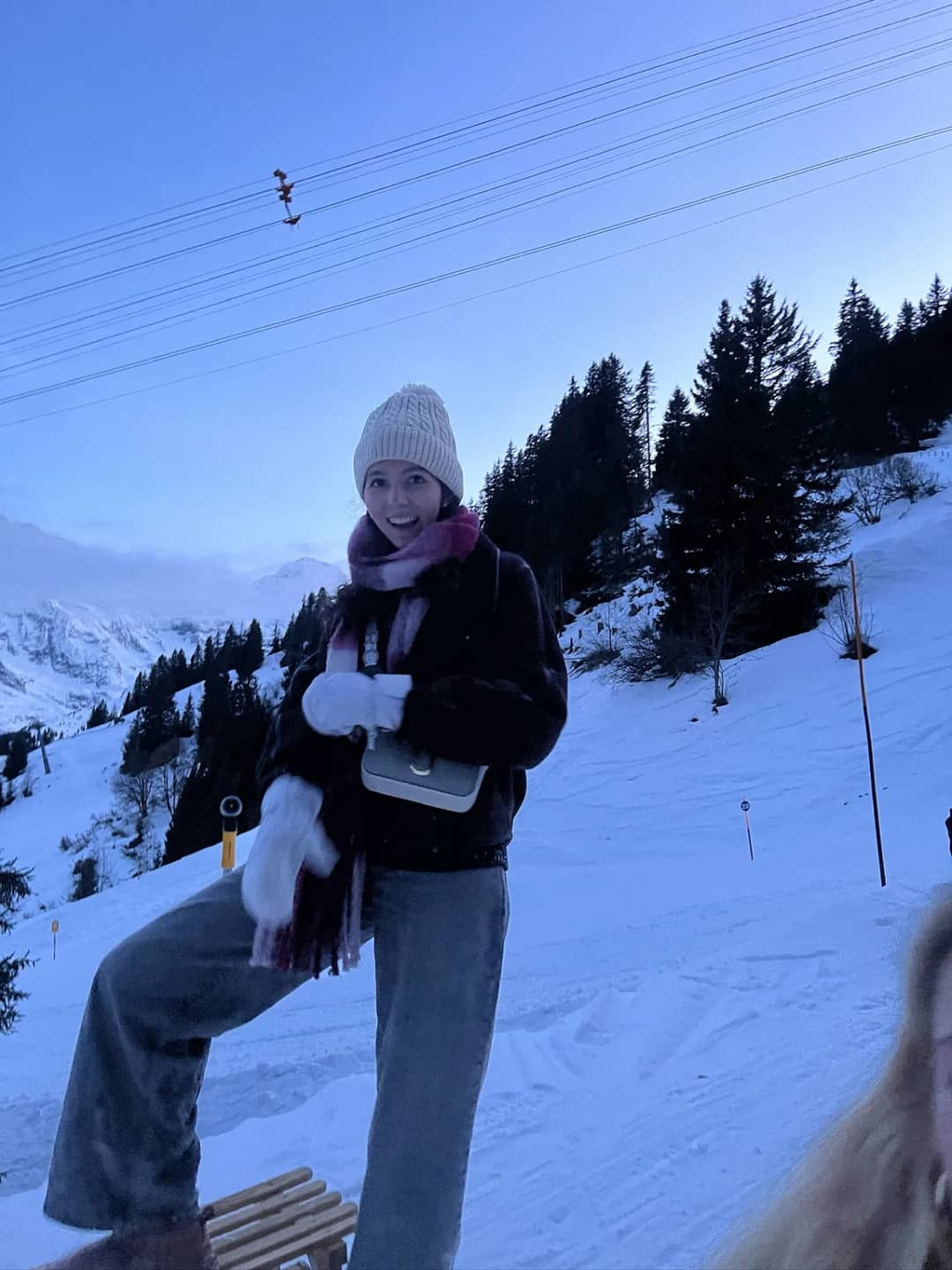
Learn the brake with a guide behind you
The fear is the first bend, and it goes away the moment you have stopped the sled yourself, on purpose, before one. On our Sunset Sledding & Fondue tour, the briefing at the top is about your feet, the first stretch is flat for practice, the group is 8 guests at most, and I ride at the back. It costs CHF 139 per person, sled, headlamp and fondue included.
If you want to try it, book the Sunset Sledding and Fondue tour and tell us it is your first time on a sled. For the rest of the season, see our winter activities in Interlaken, ranked by a guide.
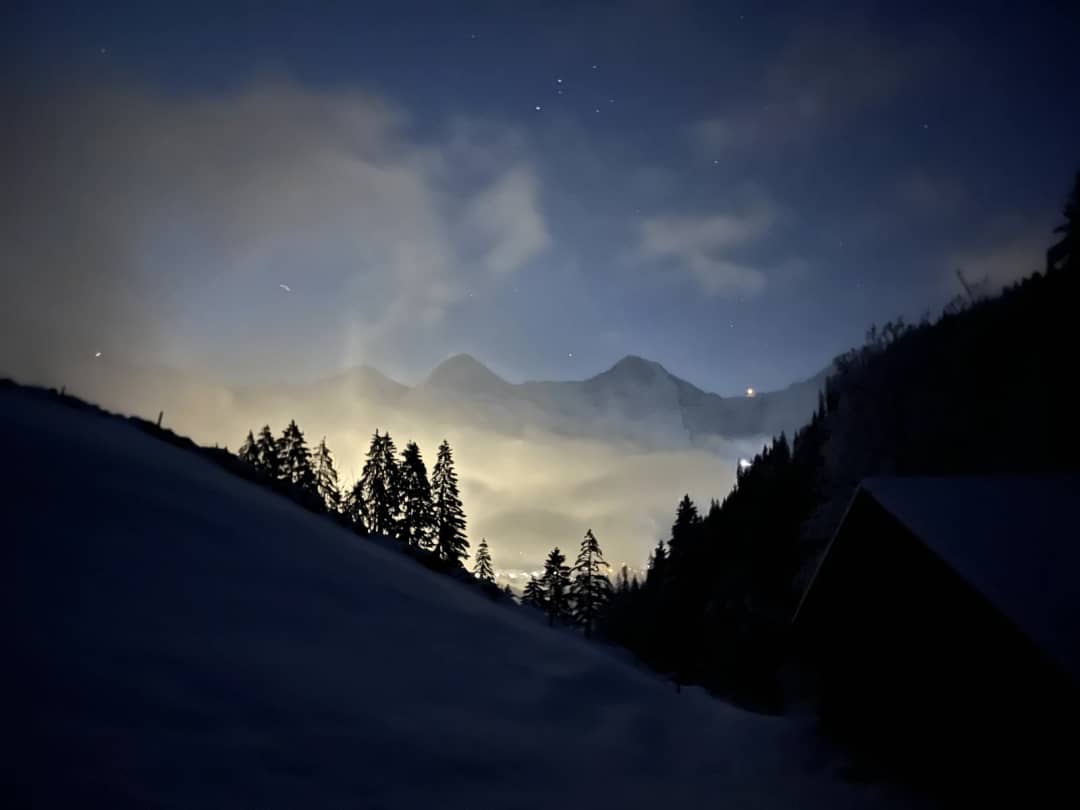
How we made this: based on Pierre's interviews of 30 September and 4 October 2026, facts and prices checked at the official sources on 4 October 2026, written with AI assistance.
Source: BFU, Schlitteln, swisstopo, and guided runs from Sulwald to Isenfluh, winter 2025-26.
*Written by Pierre Vetsch, founder and head guide at Swiss Local Adventures
Tags
#how-to-steer-a-sled#sledding-for-beginners#sledding-interlaken#rodel-sled#winter-activities-interlaken
Sources & References
- •BFU (Swiss Council for Accident Prevention), Schlitteln: position, steering and braking by sled type, read on 4 October 2026
- •swisstopo map: Sulwald 1,520 m and Isenfluh 1,095 m, checked on 30 September 2026
- •OpenStreetMap: Sulwald to Isenfluh road, 4.72 km, measured on 30 September 2026
- •Jungfrau Railways: Eiger Run sledding run
- •Swiss Local Adventures: Sunset Sledding & Cheese Fondue, price, group size and inclusions, read on 4 October 2026
- •Photos: Swiss Local Adventures (Pierre Vetsch), Mürren and Isenfluh, winters 2024-25 and 2025-26
Share this article
Similar Articles
Continue your reading with these related articles
Interlaken
10/3/2026
12 min
31
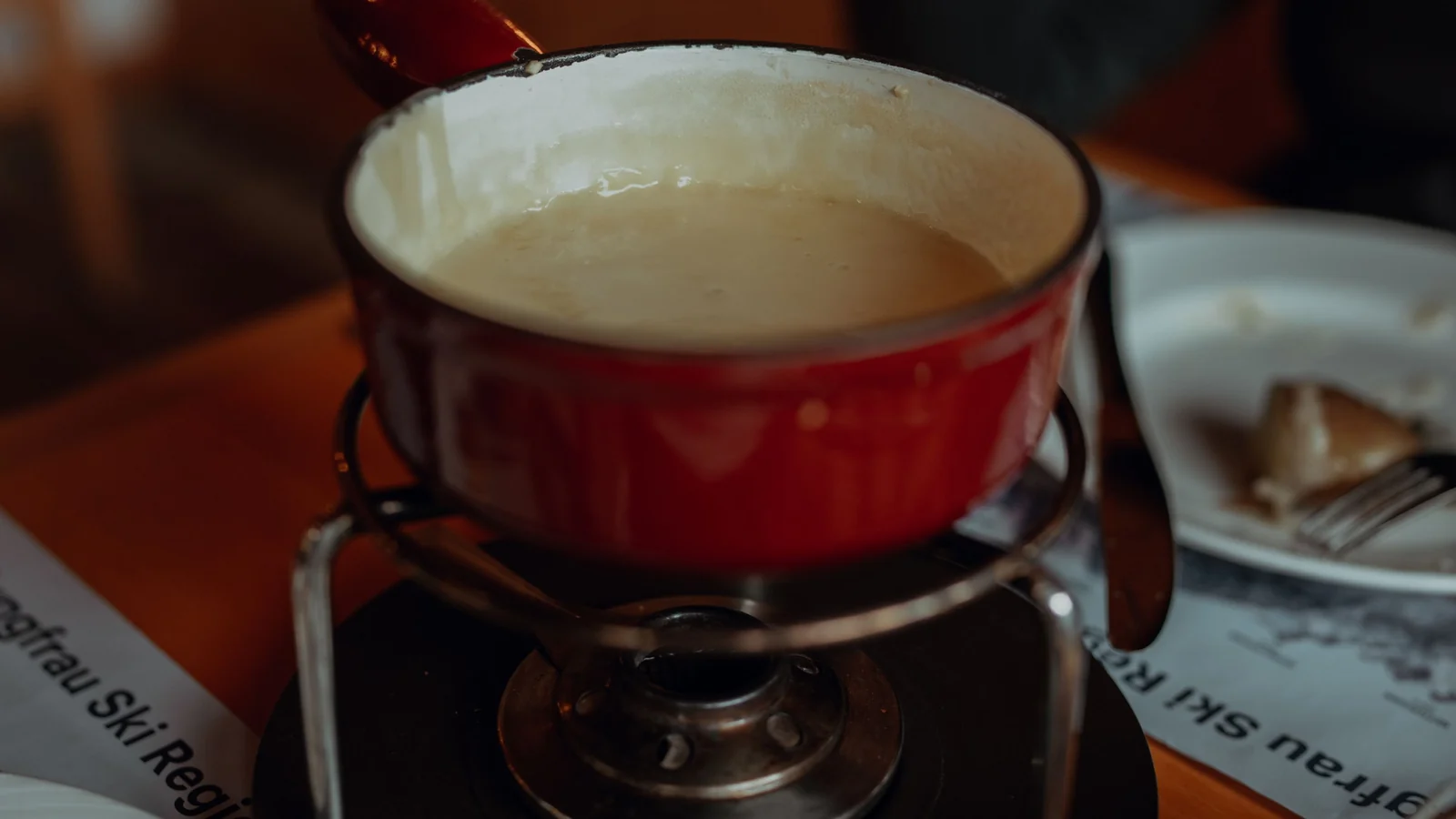
Best Fondue in Interlaken: Where a Local Guide Eats
Best fondue in Interlaken: a local guide's pick is the Taverne at CHF 30 per person. Where our groups eat, what to order, how to skip the traps.
best-fondue-interlakencheese-fondue-interlakenwhere-to-eat-interlaken
By Pierre VetschRead More
Interlaken
10/2/2026
12 min
29
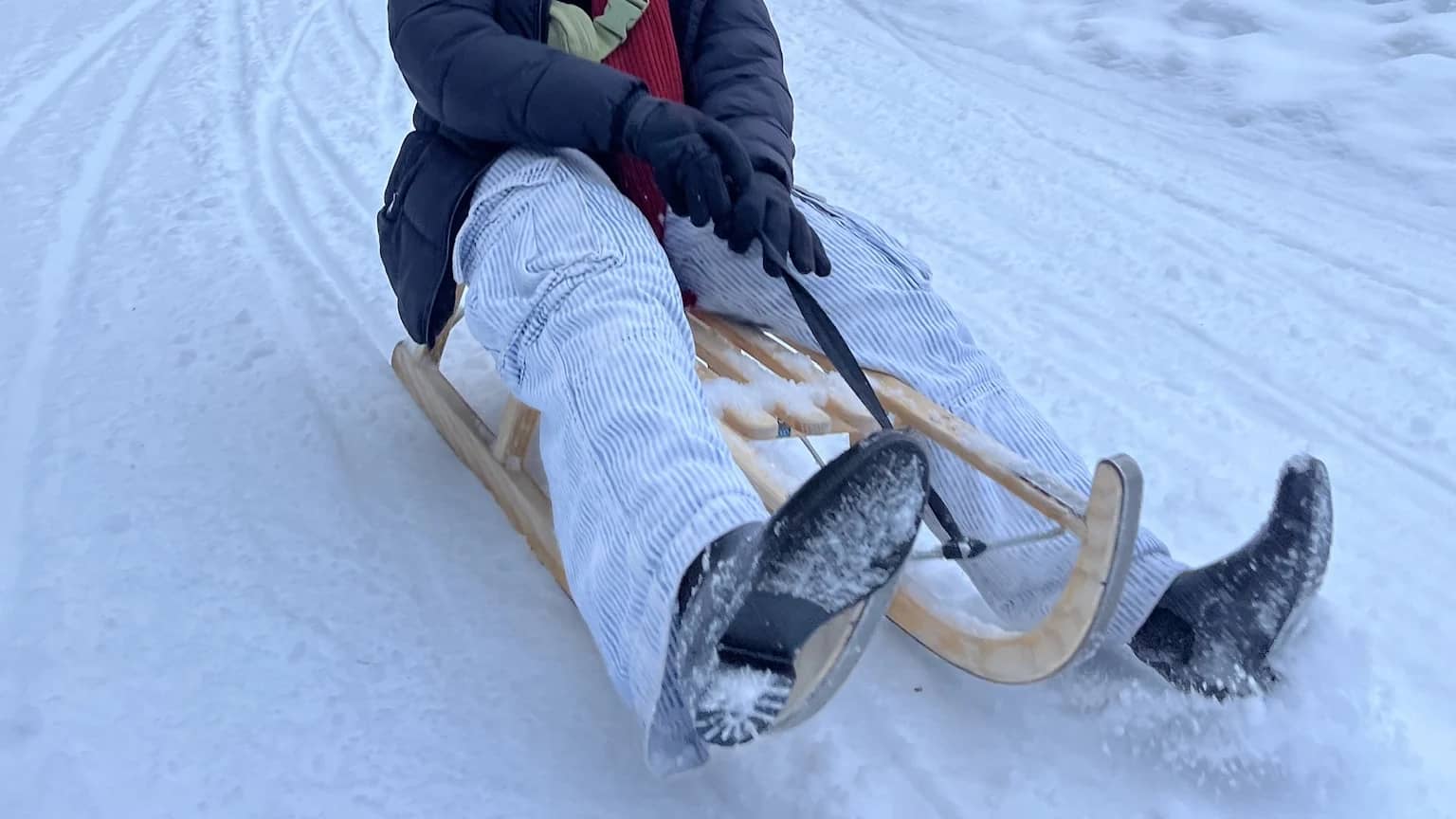
What to Wear Sledding in Switzerland: Dry Beats Warm
What to wear sledding in Switzerland: waterproof pants, real boots, gloves. Last winter only 32 of 107 evenings fell below 0 °C at 1,321 m.
what-to-wear-sleddingsledding-interlakennight-sledding-interlaken
By Pierre VetschRead More
Interlaken
9/30/2026
13 min
28
Is Night Sledding Dangerous? Interlaken Guide Answers
Is night sledding dangerous? About 6,400 sled rides a year end at the doctor in Switzerland. A guide's numbers, the helmet question and who should skip it.
night-sledding-interlakensledding-safetywinter-activities-interlaken
By Pierre VetschRead More