Switzerland
Is Switzerland Expensive?
Prices, money, languages, plugs, water, safety and trains, with the Interlaken view of a local guide.
How do I get there?Prices 71% above the EU averageYes. In 2025, Eurostat put Swiss household prices 71% above the EU average, just behind Iceland and well above the United States. Pay is high too: the median full-time wage was CHF 7,024 a month in 2024. You pay in Swiss francs, mostly by card, and no one may ask you for a tip on top of the stated price. Here are the numbers, and how to spend less.
Written by Pierre Vetsch, founder and head guide. Last checked 10 November 2026.
Switzerland basics at a glance
- Price level 2025: 171.3, EU = 100. Iceland 173.5, United States 133.3
Eurostat, read 10 Nov 2026 - Currency: Swiss franc (CHF), 100 Rappen. Notes from 10 to 1,000 francs
Swiss National Bank and Zurich Tourism, read 10 Nov 2026 - Paying: Debit card first, then cash and mobile apps
Swiss National Bank payment survey 2025 - Tipping: Included in the price, or shown as a figure
Price Disclosure Ordinance, article 12 - Plugs: Type C and Type J, 230 V, 50 Hz
Zurich Tourism, read 10 Nov 2026 - Swiss Half Fare Card: CHF 150 for one month, only for people who live outside Switzerland and Liechtenstein
SBB, read 10 Nov 2026
What things cost in Switzerland, compared
Switzerland scored 171.3 for household spending in 2025, second only to Iceland, in Eurostat's yearly comparison of price levels across Europe, with the EU average at 100. The gap depends on what you buy:
- All household spending: Switzerland 171.3. Iceland 173.5, Denmark 139.7, United States 133.3, Norway 128.6, United Kingdom 123.3
- The neighbours: Austria 113.0, France 110.3, Germany 108.3, Italy 97.1
- Food and non-alcoholic drinks: Switzerland 155.9, Iceland 155.8, Norway 133.1
- Restaurants and hotels: Switzerland 163.1, Iceland 173.2, Norway 139.7
- Passenger transport: Switzerland 147.1, Norway 167.4, Iceland 177.1
- Electricity, gas and fuels: Switzerland is the most expensive of the 36 countries Eurostat compares
Stockhorn bungee
AdventureA 134 m jump from the cable car above the Hinterstockensee.
Stockhorn bungee jumpThe Swiss figures
The Federal Statistical Office measures the whole economy. On that basis, in its preliminary results, Switzerland had the highest price level in Europe in 2024, at 158.8, ahead of Iceland at 151.4. Its highest categories were hospital care at 321.3, education at 259.5 and meat at 225.9.
Prices around Interlaken
- Jungfraujoch, adult return from Interlaken Ost: CHF 225.60 for travel on 20 January 2027, or CHF 112.80 with a Half Fare Card. For 15 July 2026, the official calculator showed CHF 271.20. Pierre finds it quite expensive for one ride up.
- Bungee jump from the Stockhorn cable car, 134 m above the lake: CHF 239 for an adult, on the summer page of the Stockhorn railway. Jumps take place in the evening, after the last scheduled ride.
- Wengen costs the same as Interlaken, Pierre finds. In winter, so does a night in Grindelwald.
Eurostat price level indices 2025 (EU27 = 100), Federal Statistical Office, Jungfrau Railways, stockhorn.ch, read 10 November 2026.
Our verdict
Pay in francs or by card, not in euros: Zurich shops that take euros give a poor rate. You owe no tip: by federal ordinance it is in the price or shown as a figure.
For five days of travel, take the Swiss Travel Pass, as Pierre advises visitors; even with the pass, the Jungfraujoch is not free: CHF 151.20 return from Interlaken Ost for 20 January 2027. With the Swiss Half Fare Card, CHF 150 for a month, it was CHF 112.80, so the card pays off only if you add other trips. Both are only for people who live outside Switzerland and Liechtenstein.
Skip the Jungfraujoch on a cloudy day, the classic mistake in Pierre's words: the full-fare return cost CHF 225.60 for 20 January 2027.
Why Switzerland is so expensive, and how to spend less
Mostly because pay is high, and services carry it. Eurostat notes that service prices differ most between countries, because services contain more labour and wages vary widely. The median gross wage for a full-time job was CHF 7,024 a month in 2024, says the Federal Statistical Office. What helps a visitor:
- In Zurich, fill your bottle at a fountain: more than 1,200 of them run with drinking water, free for everyone.
- Take a Swiss Half Fare Card if you ride often: CHF 150 for a month of half-price tickets, for people who live outside Switzerland and Liechtenstein.
- Book Supersaver tickets: up to 50% off, valid only on the train you pick.
- A Saver Day Pass covers a whole day of trains, buses and boats in 2nd class, from CHF 52, or from CHF 29 with a Half Fare Card. Buy it at least one day ahead.
- Pay in francs. Many Zurich shops take euros, but at a poor rate, says Zurich Tourism.
- Do not pay for the Jungfraujoch on a cloudy day. Pierre calls it the classic mistake.
Eurostat, Federal Statistical Office, Zurich Tourism, SBB, read 10 November 2026. Swiss public transport fares rise by 3.6% on average from December 2026.
Swiss francs, cards and cash
The currency is the Swiss franc, CHF, divided into 100 Rappen. Notes come in 10, 20, 50, 100, 200 and 1,000 francs. Coins come in 5, 10, 20 and 50 Rappen, and 1, 2 and 5 francs.
Cards lead at the till. In the Swiss National Bank's 2025 survey, the debit card is the most used way to pay in shops, followed by cash and mobile apps. Around half of the population met a place that would not take the way they wanted to pay.
So carry a card and some cash. In August 2026, Pierre's card worked at the ticket booths of the Trümmelbach Falls and the Aare Gorge. Bern's Sternenmarkt takes no cash at all: card or Twint only.
Euros: SBB ticket machines take euro notes and give change in Swiss francs.
Swiss National Bank, Zurich Tourism, SBB, BLS, read 10 November 2026.
Tipping in Switzerland
You do not have to tip. Under the federal Price Disclosure Ordinance, the tip must be included in the price or clearly labelled with an amount. Nobody may ask for a tip on top of the stated price.
Anything you leave for good service is your choice.
Ordinance on the Disclosure of Prices (PBV), article 12, version in force from 1 January 2025, read on fedlex.admin.ch on 10 November 2026.
Languages: Swiss German, French, Italian, Romansh
In 2024, German was the main language of 61% of residents, French of 23%, Italian of 8% and Romansh of 0.4%, says the Federal Statistical Office. At home, 55% speak Swiss German.
Interlaken is in the German-speaking part. In the 2000 census, 34,508 of the 38,182 residents of the Interlaken district gave German as their main language, and 82,316 of the 88,746 residents of the Thun district.
English is the language people learn most: 32% in 2024. And 24% of people in work use English at work.
Federal Statistical Office, language survey 2024 and census 2000, read 10 November 2026.
Plugs, tap water and emergency numbers
Plugs
Switzerland uses Type C and Type J plugs at 230 V and 50 Hz. A flat two-pin Europlug fits. German and French earthed plugs do not fit the flat flush-mounted sockets, so bring an adapter.
Tap water
Over 80% of Swiss drinking water comes from groundwater. In Zurich, more than 1,200 fountains run with drinking water, free for everyone.
Emergency numbers
In the mountains in winter, stay on marked trails that are open.
- International emergency number: 112
- Police: 117
- Fire: 118
- Ambulance: 144
- Rega air rescue, for the mountains: 1414
- Poisoning, Toxinfo: 145
Zurich Tourism (plugs, fountains, emergency numbers), Federal Office for the Environment (water), read 10 November 2026.
Trains in Switzerland, and which pass to buy
Trains are the way to get around. SBB carried 1.43 million passengers a day in 2025, and 94.1% of its passenger trains arrived less than 3 minutes late.
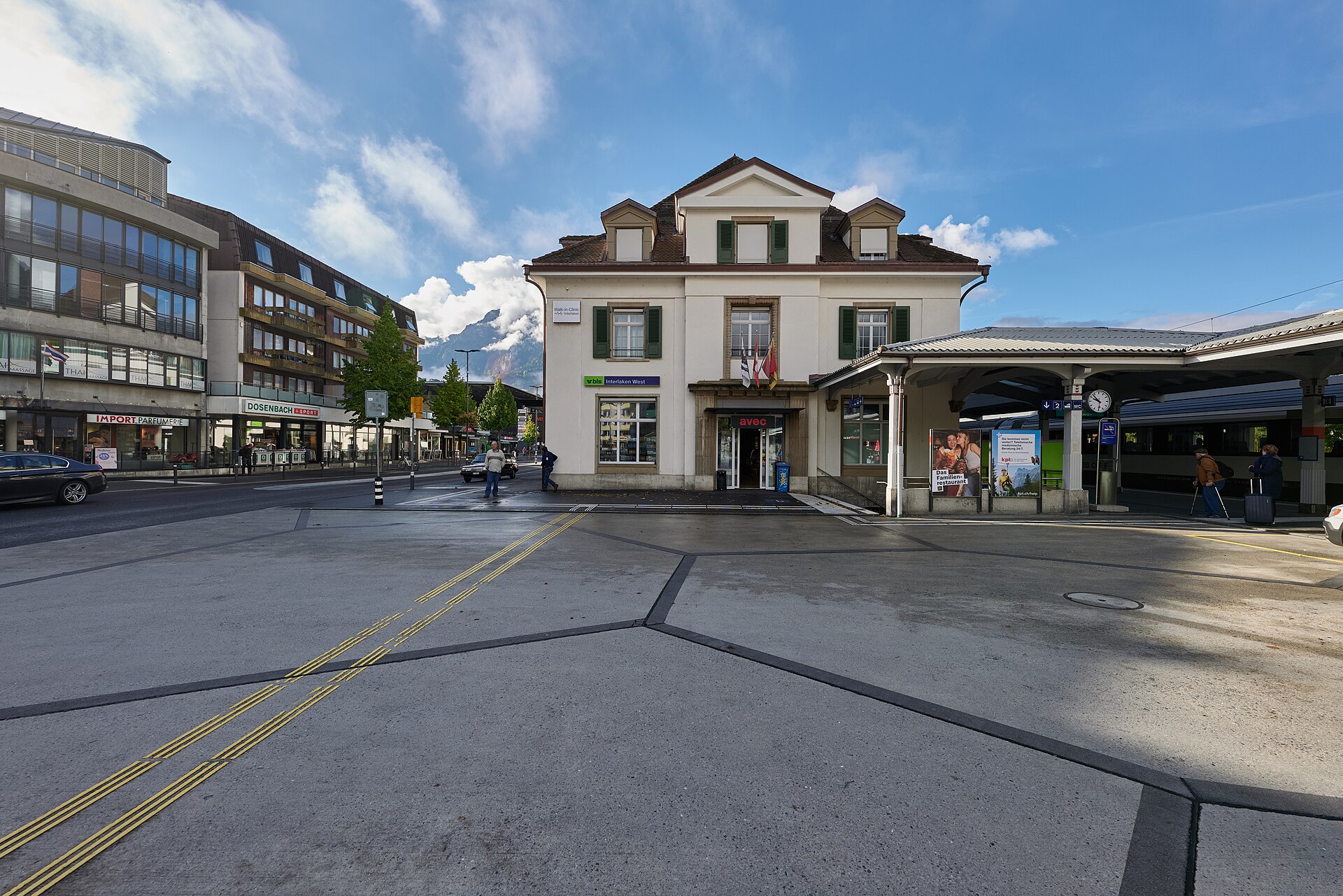
In our sample for January 2027, Interlaken Ost is 1 h 57 from Zurich main station with no change, 55 minutes from Bern and 2 h 53 from Geneva with one change. Until 11 December 2026, trains from Bern stop at Interlaken West, and replacement buses run to Ost.
Stations, local trains and regional passes around Interlaken are in our transport guide.
- Swiss Travel Pass: unlimited trains, buses and boats, panorama trains included, seat reservations extra. 3 days in 2nd class cost CHF 254 for adults aged 25 and over, CHF 179 under 25. Prices valid until 31 December 2026. Swiss Travel System says they stay the same in 2027.
- Swiss Half Fare Card: CHF 150 for one month of half-price tickets.
- Both are only for people whose permanent home is outside Switzerland and Liechtenstein.
- For five days of travel, Pierre advises visitors to take the Swiss Travel Pass. It is sold for 3, 4, 6, 8 or 15 days, so take the 6-day pass.
Swiss Travel Pass
Unlimited travelTrains, buses and boats across Switzerland, panorama trains included.
Swiss Travel Pass: pricesJungfrau Travel Pass
Regional pass3 to 8 days of unlimited travel in the Jungfrau Region. Lake Thun boats included, and Lake Brienz cruises until 6 December 2026.
Jungfrau Travel PassSBB, Swiss Travel System and Jungfrau Railways, read 10 November 2026. Train times: SBB timetable sample of Wednesday 20 January 2027 (the 2027 timetable starts on 13 December 2026).
What to eat in Switzerland
Cheese. Raclette du Valais has been a protected designation of origin since 2007, and Valais presented raclette as its national dish at a cantonal exhibition in Sion in 1909, says the Swiss culinary heritage inventory.
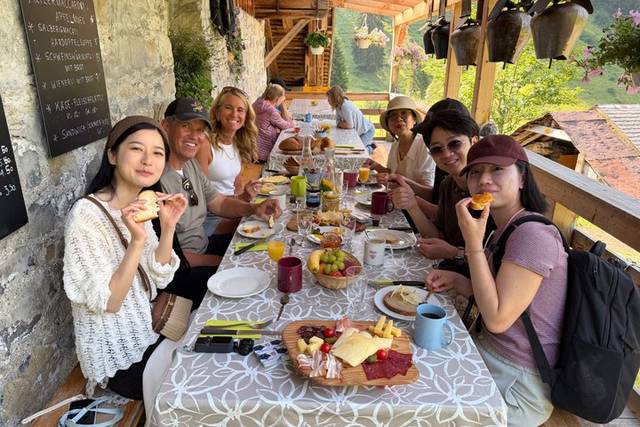
Around Interlaken, two of our tours are built on cheese: breakfast on a working farm, and sledding at sunset that ends on a cheese fondue.
Sunset sledding with fondue
Our tourThe sled run at sunset, then a cheese fondue.
Sunset sledding tourSwiss culinary heritage inventory (patrimoineculinaire.ch), read 10 November 2026.
What we tell our friends
Pierre Vetsch, founder, from his answers in our interviews of September to November 2026.
- Wengen is no more expensive than Interlaken.
- In winter, a night in Grindelwald costs the same as in Interlaken.
- I find the Jungfraujoch quite expensive for one ride up. The view from the ski slopes is not necessarily worse, and there are huge crowds.
- The classic mistake is paying for the Jungfraujoch on a cloudy day.
- In August 2026, my card worked at the ticket booths of the Trümmelbach Falls and the Aare Gorge.
- For five days of travel, I advise visitors to take the Swiss Travel Pass.
Switzerland travel basics: your questions
Is Switzerland expensive?
Yes. Eurostat put Swiss household prices at 171.3 in 2025, against 100 for the EU average: 71% above. Restaurants and hotels score 163.1, food 155.9.
Why is Switzerland so expensive?
Mostly because pay is high, and services carry it. Eurostat notes that service prices differ most between countries, because services contain more labour and wages vary widely. The median full-time wage in Switzerland was CHF 7,024 a month in 2024, says the Federal Statistical Office. Eurostat also finds Switzerland the most expensive of 36 countries for electricity, gas and fuels.
Is Switzerland more expensive than the US?
Yes. For household spending in 2025, Eurostat puts Switzerland at 171.3 and the United States at 133.3, with the EU average at 100.
Is Iceland more expensive than Switzerland?
Yes, just, for household spending: 173.5 against 171.3 in Eurostat's 2025 figures. Norway is cheaper, at 128.6.
Is Switzerland the most expensive country in the world?
Not in Eurostat's 2025 comparison of household prices, where Iceland edges it, 173.5 to 171.3. The countries compared include the United States and the United Kingdom, both well below.
Do you tip in Switzerland?
No, you do not have to. By federal ordinance, the tip is included in the price or shown as a figure, and no one may ask for a tip on top. Leaving something extra is your choice.
What are the different denominations of Swiss francs?
Notes of 10, 20, 50, 100, 200 and 1,000 francs. One franc is 100 Rappen, called centimes in French.
Can you pay with euros in Switzerland?
Sometimes. SBB ticket machines take euro notes and give change in francs, and many Zurich shops take euros at a poor rate. Pay in francs or by card.
Can you drink tap water in Switzerland?
In Zurich, yes: Zurich Tourism says fresh drinking water flows from more than 1,200 fountains, so buy a bottle and keep filling it. Across Switzerland, over 80% of drinking water comes from groundwater, says the Federal Office for the Environment.
What language do they speak in Interlaken?
Swiss German. Interlaken and the Thun area are in the German-speaking part of Switzerland, and at home 55% of the Swiss speak Swiss German. English is the language the Swiss learn most.
Where did the Cow Parade start?
In Zurich, in 1998, according to Wikipedia. The Zurich show was called Land in Sicht, and the idea went to Chicago in 1999 as Cows on Parade.
Keep reading
- Trains, passes and stations around Interlaken
- Swiss Travel Pass: prices
- Swiss Half Fare Card
- Zurich to Interlaken by train
- Geneva, Bern and Basel to Interlaken by train
- Interlaken guide
- Wengen guide
- Switzerland in winter
Sources
- Eurostat, price level indices 2025 (prc_ppp_ind_1), read 10 Nov 2026
- Eurostat, comparative price levels of consumer goods and services, read 10 Nov 2026
- Federal Statistical Office, international price comparisons, read 10 Nov 2026
- Federal Statistical Office, median wage 2024, read 10 Nov 2026
- Federal Statistical Office, languages, read 10 Nov 2026
- Federal Statistical Office, census 2000 by district, read 10 Nov 2026
- Swiss National Bank, questions and answers on banknotes, read 10 Nov 2026
- Swiss National Bank, questions and answers on coins, read 10 Nov 2026
- Swiss National Bank, payment methods survey 2025, read 10 Nov 2026
- Ordinance on the Disclosure of Prices, version of 1 January 2025, read 10 Nov 2026
- Zurich Tourism, currency and prices, read 10 Nov 2026
- Zurich Tourism, electric power and sockets, read 10 Nov 2026
- Zurich Tourism, emergency numbers, read 10 Nov 2026
- Zurich Tourism, fountain city Zurich, read 10 Nov 2026
- Federal Office for the Environment, water in brief, read 10 Nov 2026
- SBB, facts and figures 2025, read 10 Nov 2026
- SBB, ticket machine, read 10 Nov 2026
- SBB, Swiss Travel Pass, read 10 Nov 2026
- SBB, buy the Swiss Travel Pass (prices), read 10 Nov 2026
- SBB, Swiss Half Fare Card, read 10 Nov 2026
- SBB, Supersaver Tickets, read 10 Nov 2026
- SBB, Saver Day Pass, read 10 Nov 2026
- Swiss Travel System, 2027 fares, read 10 Nov 2026
- Jungfrau Railways, Jungfrau Travel Pass, read 10 Nov 2026
- Jungfrau Railways, price calculator, read 10 Nov 2026
- Stockhornbahn, bungee jumping, read 10 Nov 2026
- BLS, Bern Christmas markets, read 10 Nov 2026
- Swiss culinary heritage, Raclette du Valais, read 10 Nov 2026
- Wikipedia, CowParade (history), read 10 Nov 2026
- SBB timetable data, sample of 20 January 2027, read 10 Nov 2026
Field notes: Pierre Vetsch, interviews of September to November 2026. Last checked 10 November 2026. Photos from Wikimedia Commons: Interlaken Ost and the Aare canal by Hadi, CC BY-SA 4.0; Interlaken West by Leonhard Lenz, CC0. Farm tour: Swiss Local Adventures.
Planning days around Interlaken and want them worth the money? Tell us your dates and a local builds the day with you. Ask about a private day

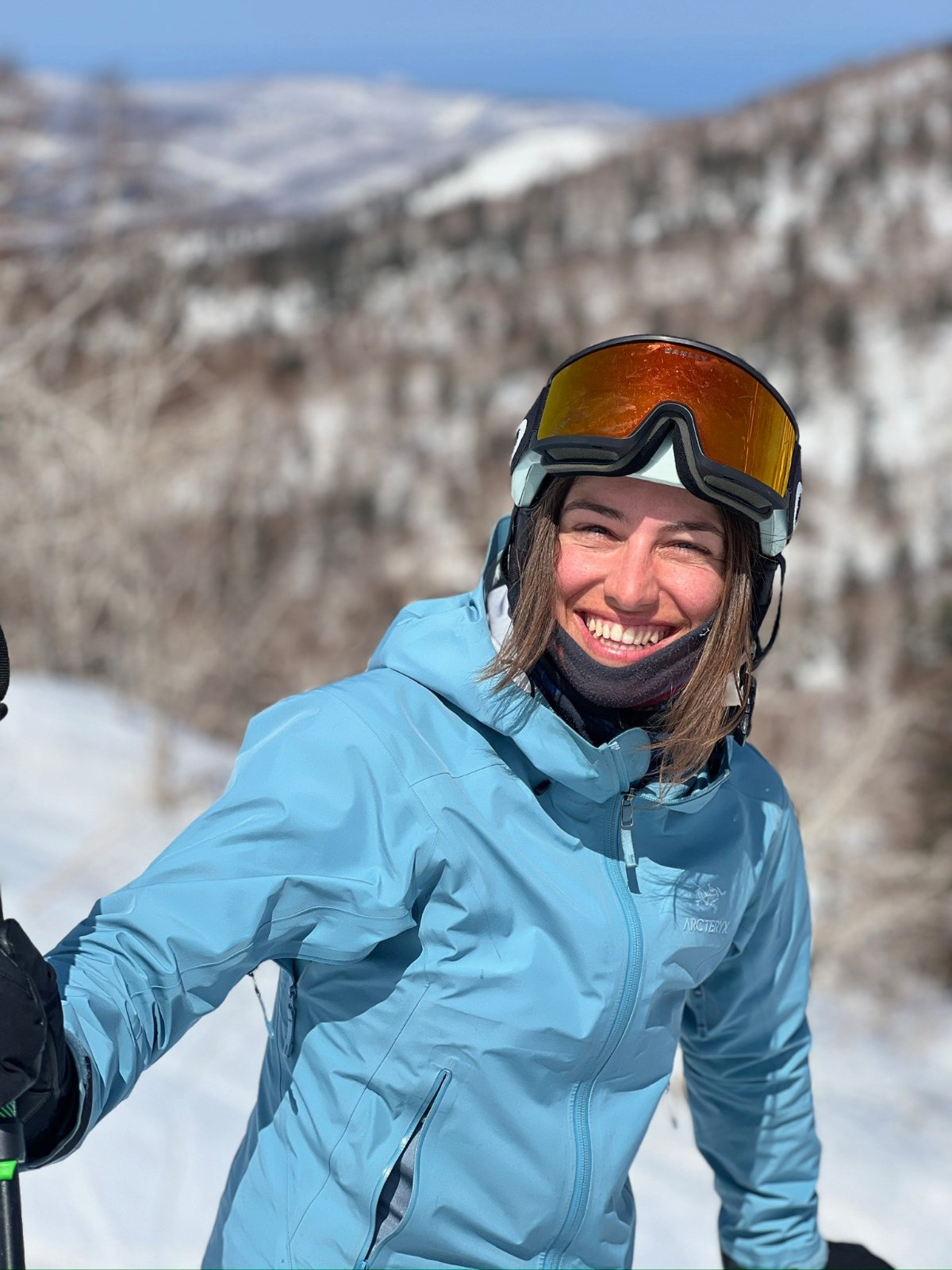
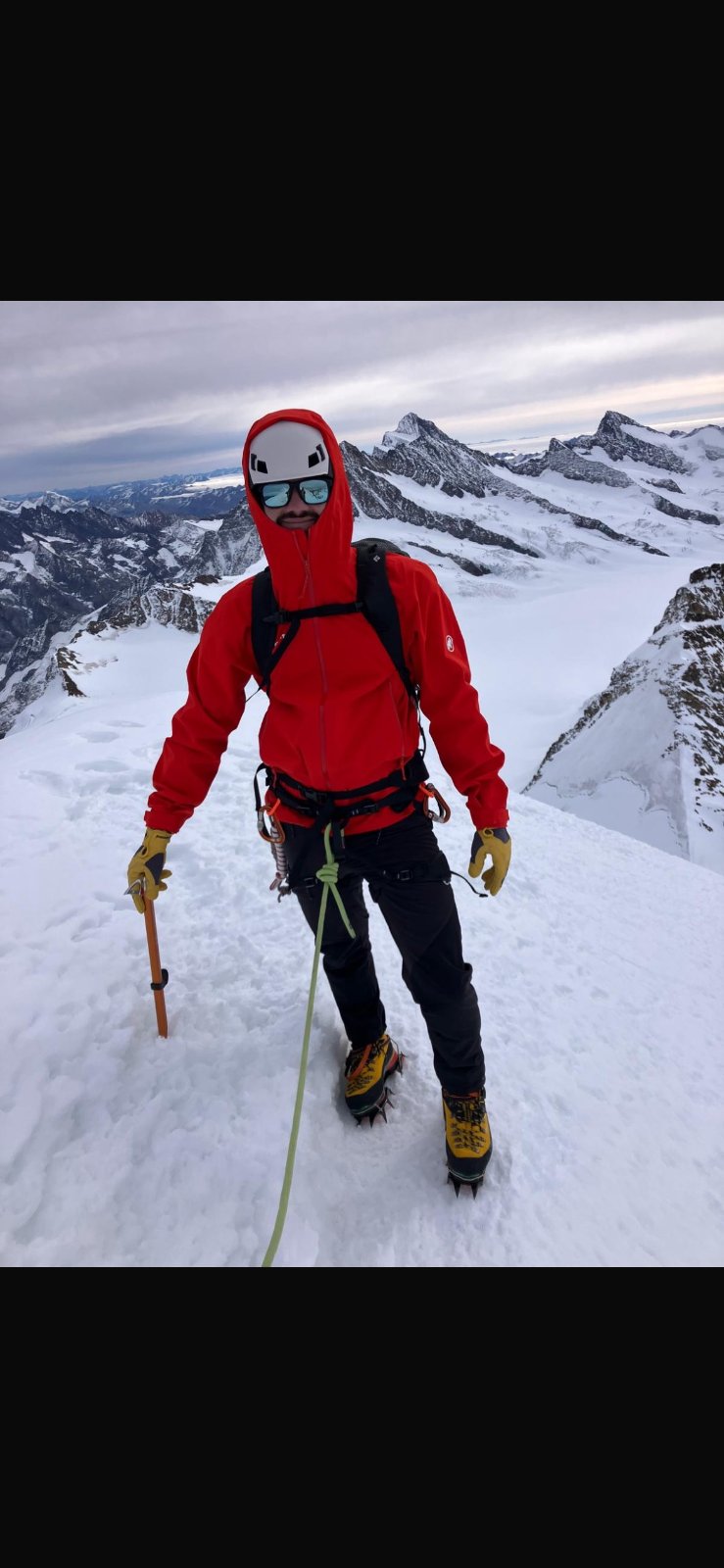
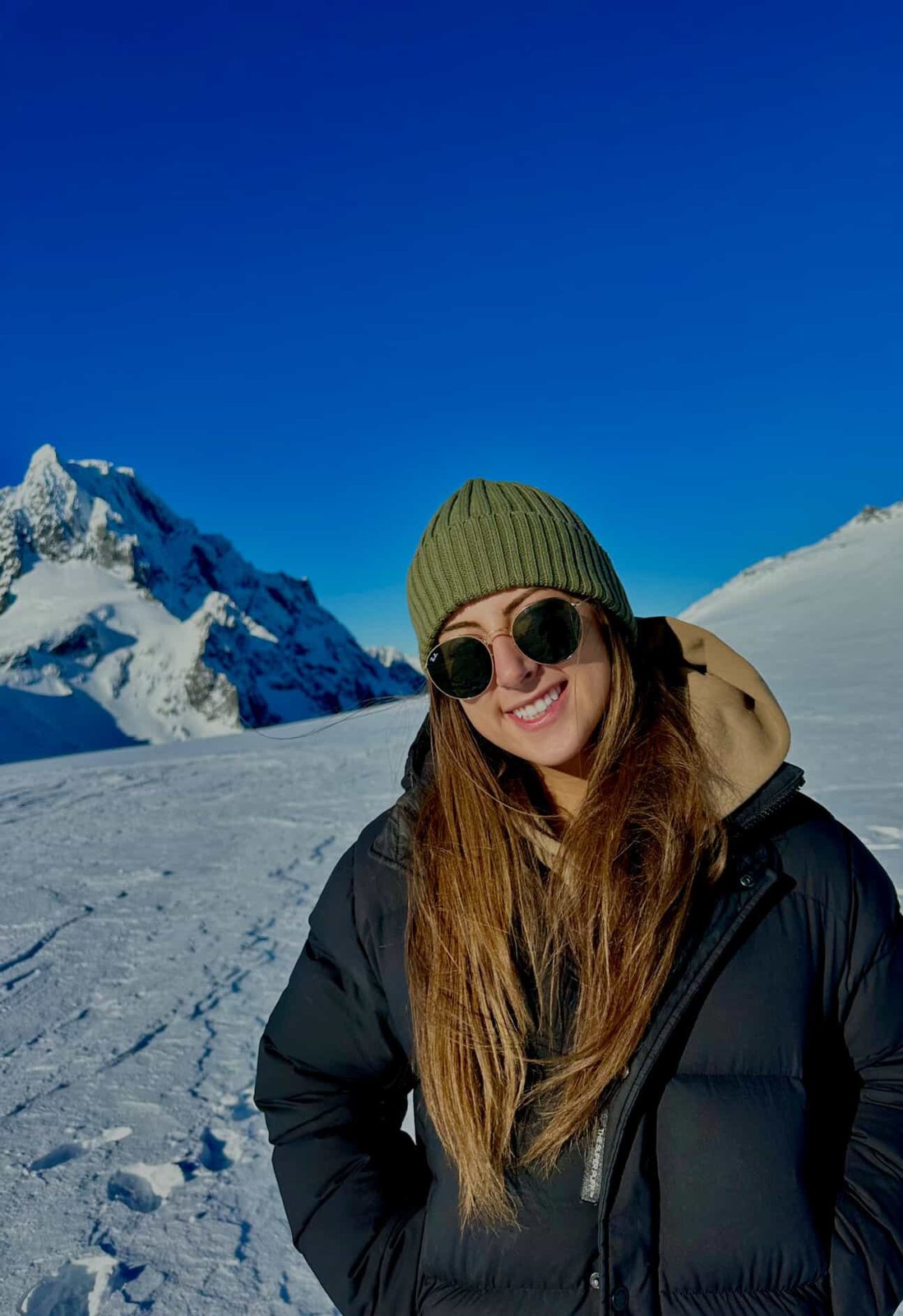 Grüessech! That's hello in Bernese German. We're Pierre, Teona, Timoté and Olivia, and we all live around Interlaken.
Not sure? Ask a local
Tell us your date and what you like. A local answers on WhatsApp and tells you which free places fit your day. That is free too.