Lieux et excursions
Été à Interlaken : 14 choses que font les locaux
O
Olivia Lufman
Auteur
3 juin 2026
4 min
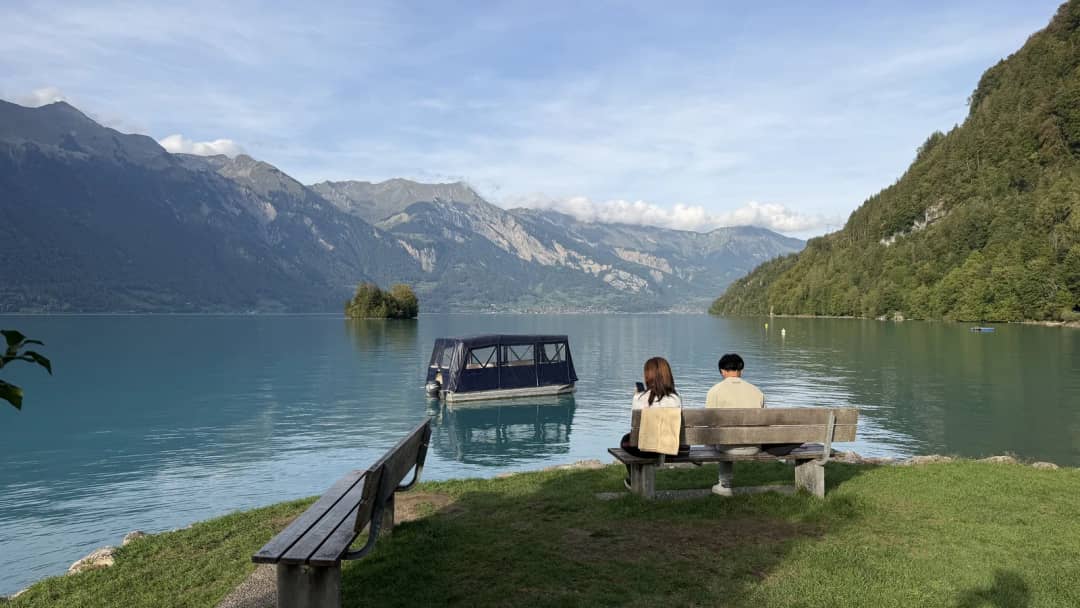
Été à Interlaken : 14 choses que font les locaux quand les touristes ont le dos tourné
À 11h un matin de juillet, le Höheweg est déjà plein. Les cars déchargent devant le Casino Kursaal, les familles font la queue au funiculaire du Harder Kulm et les glaciers de la rue principale entament leur deuxième vague de la journée. C'est l'Interlaken que vit la plupart des voyageurs.
Mais à 6h, un autre matin, à deux kilomètres de là, sur la rive du lac de Brienz, j'étais seule sur l'eau. Le lac était encore lisse comme du verre. La brume montait de la surface. Un héron a décollé sans un bruit. À 7h30, j'avais tout rangé et j'étais assise dans une boulangerie de Bönigen avec un café et un Schoggikipferl, à regarder passer au loin le premier bateau de la journée.
C'est l'autre Interlaken, celui que les locaux gardent pour eux.
Si vous voulez un été qui ressemble moins à une liste à cocher et plus à un lieu, voici 14 choses que les locaux font vraiment entre juin et septembre. Beaucoup ne coûtent pas grand-chose, voire rien ; celles qui demandent un billet disent s'il en vaut la peine. Interrogé sur l'erreur des visiteurs venus pour l'adrénaline, Pierre Vetsch, qui a fondé Swiss Local Adventures, a répondu en une ligne :
« Ils ne font que du payant et ne voient jamais le paysage. »
Pierre Vetsch, guide et fondateur, interview du 8 octobre 2026
Pourquoi l'été dans l'Oberland bernois est différent
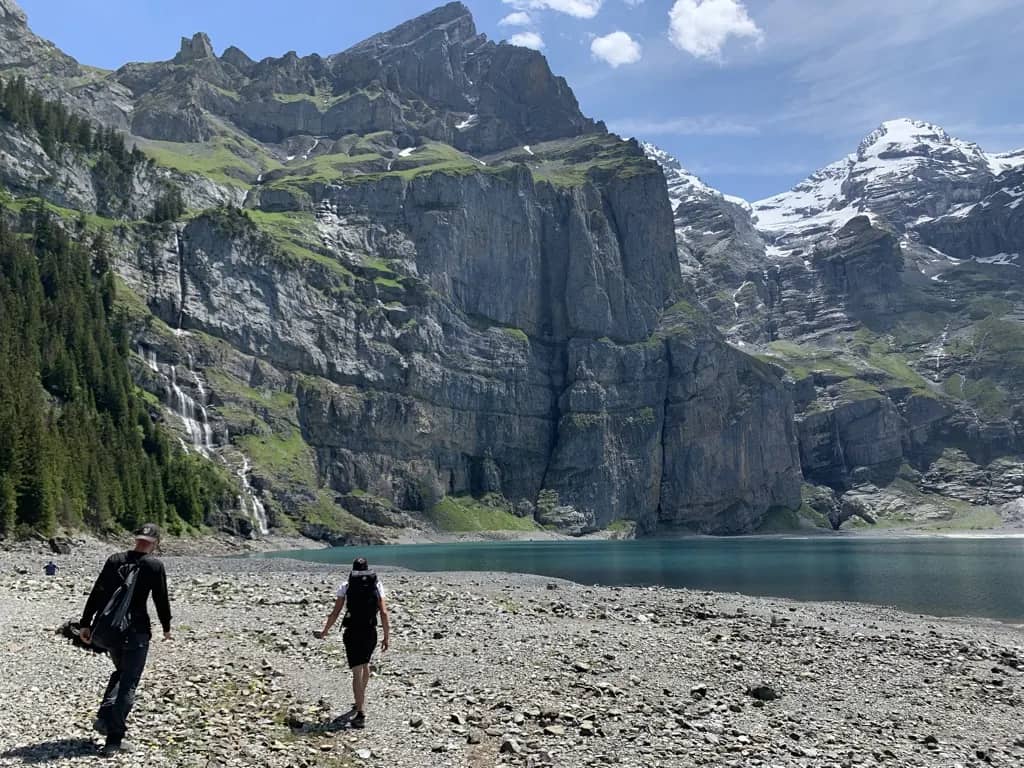
Interlaken en été, c'est un microclimat qui surprend. La ville est à 567 mètres, assez bas pour qu'il fasse chaud la journée (souvent 25-28°C en juillet), mais entourée de sommets de 4000 mètres qui font tomber l'air nocturne à 12-15°C. Vous dormez fenêtre ouverte, vous marchez en short à midi, vous enfilez une laine à 21h sur une terrasse au bord du lac.
Les deux lacs (Thoune à l'ouest, Brienz à l'est) jouent le rôle de thermostats naturels. Ils se réchauffent lentement et se refroidissent lentement, ce qui rend la baignade agréable de fin juin à début septembre.
C'est ce double climat qui rend une seule journée d'été à Interlaken si polyvalente, à condition de la prendre dans le bon ordre. L'ordre de Pierre : la montagne le matin, quand le temps est calme et stable, le lac l'après-midi, quand il fait plus chaud, et la soirée ensuite.
Les parapentes que vous voyez au-dessus d'Interlaken se posent tous sur le même rectangle vert au centre de la ville, et ce pré n'a rien d'un hasard. Notre article sur la Höhematte restée un pré raconte comment 37 paysans ont empêché qu'on y construise en 1864, ce qui vous permet encore de voir la Jungfrau depuis le Höheweg.
Pour la vue d'ensemble, voyez notre guide local des choses à faire à Interlaken.
1. Pagayer au lever du soleil sur le lac de Brienz
Soyez sur l'eau avant que la journée commence. L'eau est calme, l'air est froid, la lumière est dorée. Pierre a lui-même fait du kayak sur le lac de Brienz en été, et la fraîcheur de l'eau lui fait du bien. Son moment à lui sur l'eau se trouve pourtant au Burgseeli, le petit lac de Ringgenberg :
« Le matin d'été, l'eau plate et la brume. »
Pierre Vetsch, guide et fondateur, interview du 8 octobre 2026
2. Petit-déjeuner dans une ferme d'alpage
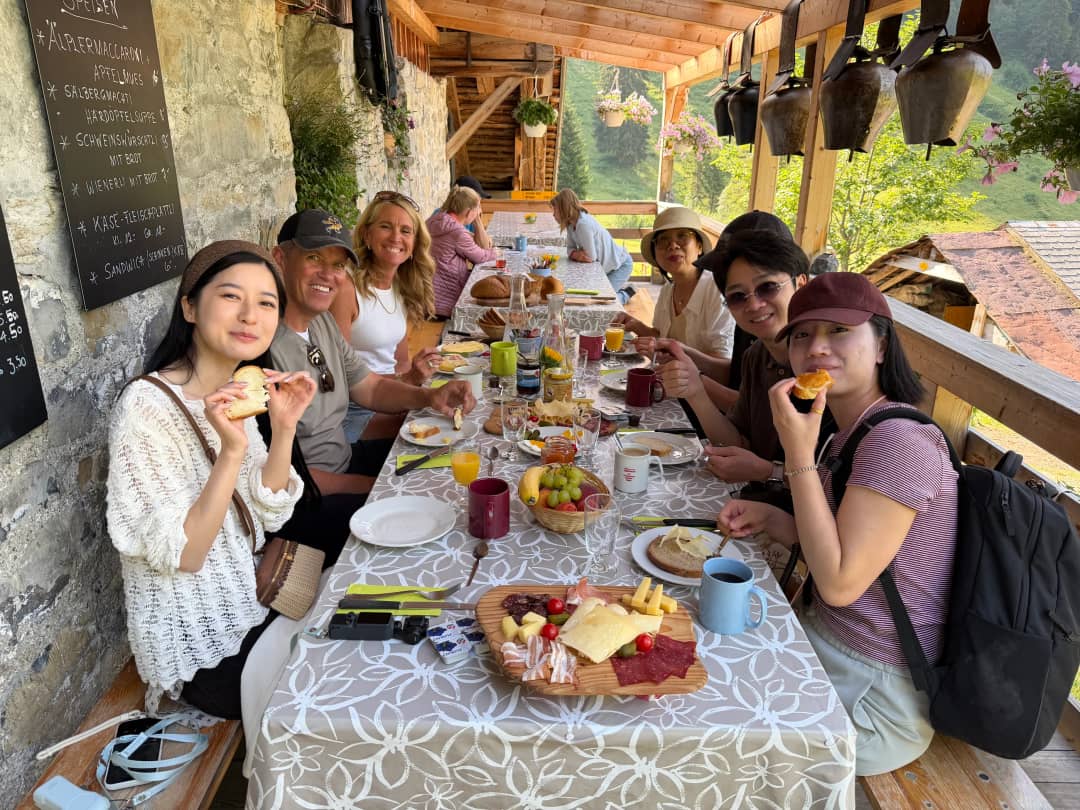
Sur l'alpage de Daniela, dans le Justistal au-dessus du lac de Thoune, le petit-déjeuner, c'est ce que sa ferme a produit : du beurre qu'elle a baratté, les œufs de ses poules, ses propres fromages de quelques mois à plus d'un an, du lard, de la saucisse sèche, du pain, de la confiture, des fruits, du jus, du café et du chocolat chaud, avec du lait cru de la traite du matin sur demande. Le van y monte en 35 minutes par Beatenberg et se gare à la ferme : il n'y a pas de marche. Daniela résume ses journées là-haut :
« Debout à cinq heures, du fromage tous les jours, sans exception. »
Daniela, agricultrice dans le Justistal, été 2026
Après le petit-déjeuner, elle fait son fromage et vous regardez, du chaudron de cuivre jusqu'à la presse. Si vous espériez le faire vous-même, voici la réponse de Pierre :
« C'est sa fournée du jour, pas un atelier : tu regardes un vrai travail. »
Pierre Vetsch, guide et fondateur, interview du 13 octobre 2026
Notre farm tour avec petit-déjeuner suisse est construit autour de cette matinée. Il part d'Interlaken West à 8h le mardi et le jeudi, de mai à mi-septembre, et vous ramène à Interlaken vers midi, pour CHF 149 par personne (CHF 139 dès six personnes) et 8 personnes au plus.
3. Se baigner aux endroits discrets
Où se baigner, en commençant par les coins de Pierre :
Bönigen, côté lac de Brienz. Le coin de Pierre est au bout du village, sur la route qui va à Iseltwald : des galets et une entrée progressive.
Burgseeli, le petit lac de Ringgenberg, où Pierre se baigne souvent, chaque été. Christine, serveuse au Burgseeli, l'a prévenu : « Il y a des serpents autour du lac ! »
Faulensee, sur le lac de Thoune, une toute petite plage cachée avec un embarcadère en bois.
Le vieux port de Spiez, où l'eau est propre et le château vous regarde.
Les marches de pierre d'Iseltwald, en face du fameux ponton de Crash Landing on You, où l'on nage avec vue. Le village demande aux visiteurs de rester dans les espaces publics et de ne pas entrer sur les propriétés privées. J'ai vu des visiteurs payer, faire leur photo en 90 secondes et repartir ; entre les CHF 5 et la rive, j'ai choisi la rive. Ma dernière visite remonte à l'été 2025.
Le verdict de Pierre sur le ponton lui-même :
« Les 5 CHF pour le ponton, on ne recommande pas, plutôt faire des photos gratuites partout ailleurs, dans le village et sur les autres rives. »
Pierre Vetsch, guide et fondateur, interview du 14 octobre 2026
4. Faire une ligne à crémaillère à l'envers
Les trains à crémaillère montent tout l'été à la Schynige Platte et au Brienzer Rothorn. Les touristes montent et redescendent en train. Les locaux montent en train et redescendent à pied. La descente de la Schynige Platte à Wilderswil ne coûte que le billet de montée. Pierre applique la même logique au funiculaire du Giessbach, sur le lac de Brienz : monter en funiculaire, descendre à pied.
Au Brienzer Rothorn, Timoté Baily, l'un de nos guides, est monté en train puis redescendu à pied jusqu'à Brienz, avant août 2024. Aujourd'hui, le sentier de Brienz à Planalp par les gorges du Milibach est fermé à la suite de dégâts d'intempéries, comme l'indiquaient le 15 octobre 2026 la Brienz Rothorn Bahn et le registre fédéral des fermetures de chemins de randonnée. La compagnie compte 2h30 de marche du sommet jusqu'à Planalp. La version de Pierre :
« Train en haut, à pied jusqu'à Planalp. »
Pierre Vetsch, guide et fondateur, interview du 14 octobre 2026
Le saviez-vous ? Le train à vapeur du Brienzer Rothorn a été inauguré le 16 juin 1892. Au déclenchement de la Première Guerre mondiale en 1914, tout le personnel a été licencié. Les trains n'ont circulé à nouveau jusqu'à Rothorn Kulm qu'en juin 1931.

5. Dégustation de vin au-dessus du lac de Thoune
Les vignobles de Spiez couvrent la pente sous le château de Spiez, au-dessus du lac de Thoune. Interrogé sur l'erreur que commettent les visiteurs à Spiez, Pierre a répondu :
« Ils ne savent même pas qu'il y a du vin ici. »
Pierre Vetsch, guide et fondateur, interview du 9 octobre 2026
Son moment à lui, c'est une fin d'après-midi d'été, avec une lumière rasante sur le lac de Thoune, et une dégustation à cette heure-là est l'un des après-midis d'été les plus sous-estimés de l'Oberland bernois. Notre tour des vins au-dessus du lac de Thoune tourne justement à cette heure : il part d'Interlaken à 15h30 le lundi, le mercredi et le vendredi, de mai à fin septembre, avec le van depuis Interlaken, quatre vins locaux accompagnés de fromage régional et le guide, pour CHF 139 par personne (CHF 129 dès six personnes) et 8 personnes au plus. Il est fait pour les débutants et part de zéro, dit Pierre : ne rien connaître au vin n'est donc pas une raison de passer à côté. Le contexte est dans notre guide des régions viticoles suisses près d'Interlaken.
6. Le deltaplane plutôt que le parapente
Interrogé sur l'activité à sensations d'Interlaken qui ne vaut pas son prix, Pierre a cité le parapente. À qui le conseiller quand même ? Sa réponse ne prend pas de gants :
« Ça ne vaut pas le prix, non ; mieux de faire une autre activité, deltaplane à la place, sinon kayak ou autre ; garder le parapente en France, Espagne ou Portugal pour 70 euros. »
Pierre Vetsch, guide et fondateur, interview du 14 octobre 2026
Les 70 euros sont son ordre de grandeur pour un vol ailleurs, pas un tarif. Son alternative vient de son propre vol : Pierre a lui-même volé en deltaplane ici, et pour lui, le delta donne plus de sensation de vol, pour un peu plus cher. Nous comparons les deux dans deltaplane ou parapente à Interlaken. Si vous voulez quand même voler de façon classique, lisez notre guide local du parapente à Interlaken.
7. Des lacs de montagne qui valent une demi-journée
Deux lacs d'altitude se trouvent à distance de marche d'une remontée mécanique, et les lacs eux-mêmes n'ont pas de droit d'entrée ; c'est la remontée qui coûte, sauf si vous montez à pied. Interrogé sur l'erreur des visiteurs avec les lacs, Pierre a donné une seule réponse : ne pas faire l'Oeschinensee.
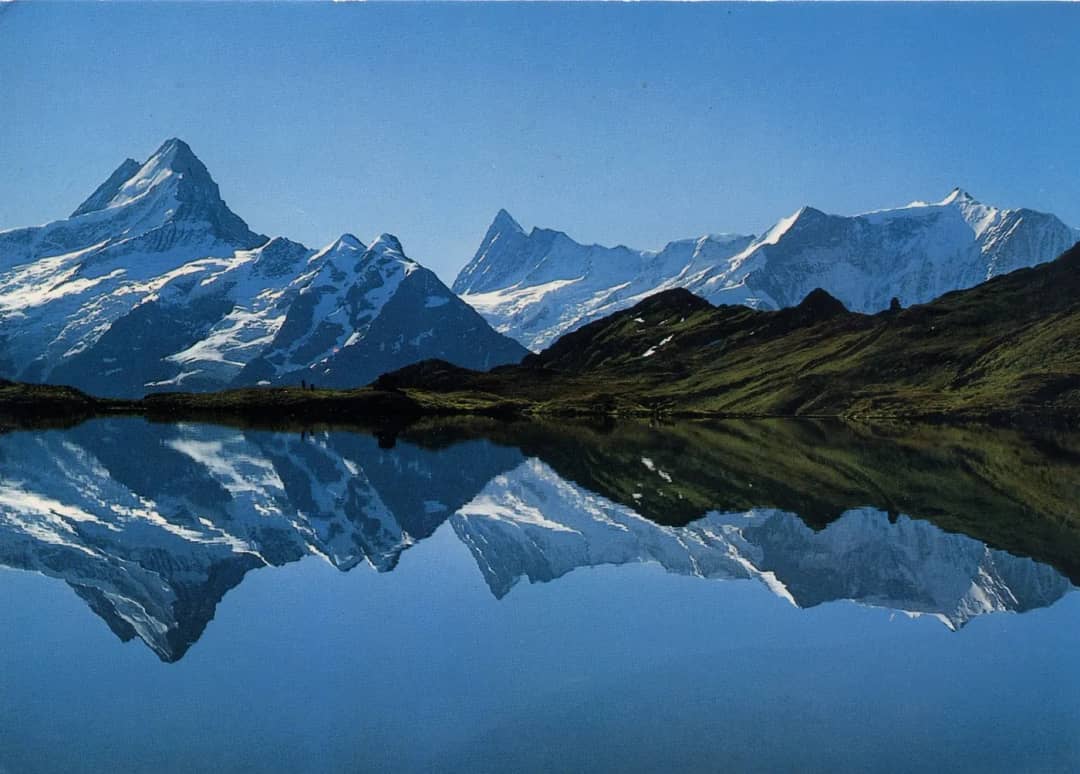
Bachalpsee au-dessus de Grindelwald-First, à moins d'une heure de marche de la station supérieure de First selon les Jungfraubahnen. Lac miroir, reflet du Schreckhorn. C'est le choix de Pierre pour ceux qui ne sont pas en forme : plus facile, une vue extra, emblématique, mais beaucoup de monde.
Oeschinensee au-dessus de Kandersteg. Bassin turquoise sous des parois verticales. Pierre conseille de monter à pied plutôt qu'en télécabine : ça vaut l'effort. Le loueur de barques du lac a dit à Pierre quand il y a le moins de monde : tôt, en fin d'après-midi, en semaine plutôt que le week-end, et en mai, juin et septembre.
Pour l'inventaire complet, voyez tous les lacs autour d'Interlaken.
8. Manger des Älplermagronen dans une cabane d'alpage
La fondue peut attendre le soir. À midi, prenez un téléphérique ou montez à pied à une Berghütte (cabane de montagne) et commandez des Älplermagronen avec de la compote de pommes à côté. Les adresses de Pierre, et il recommande les quatre : Alpenruh au-dessus de Mürren, Berghaus First, Restaurant Suldtal au-dessus d'Aeschi, et Berghotel Niederhorn si vous prenez le téléphérique depuis Beatenberg. Quand vous vous attablez devant une fondue en ville, il met en garde contre deux erreurs : ne pas réserver, ou tomber dans un attrape-touristes.
9. Le bateau lent à travers le lac de Thoune
Les bateaux BLS circulent tout l'été entre Thoune et Interlaken, avec arrêts à Spiez, Faulensee, Oberhofen, Beatenbucht et ailleurs. Prenez un aller simple un matin clair, descendez à Spiez, marchez dans les vignes, mangez au port, reprenez un bateau plus tard. Au final, vous ne payez que le repas : avec un Swiss Travel Pass, le bateau est inclus sans supplément.
Si vous voulez les deux villes dans la même journée, l'ordre de Pierre : Thoune le matin, Spiez l'après-midi.
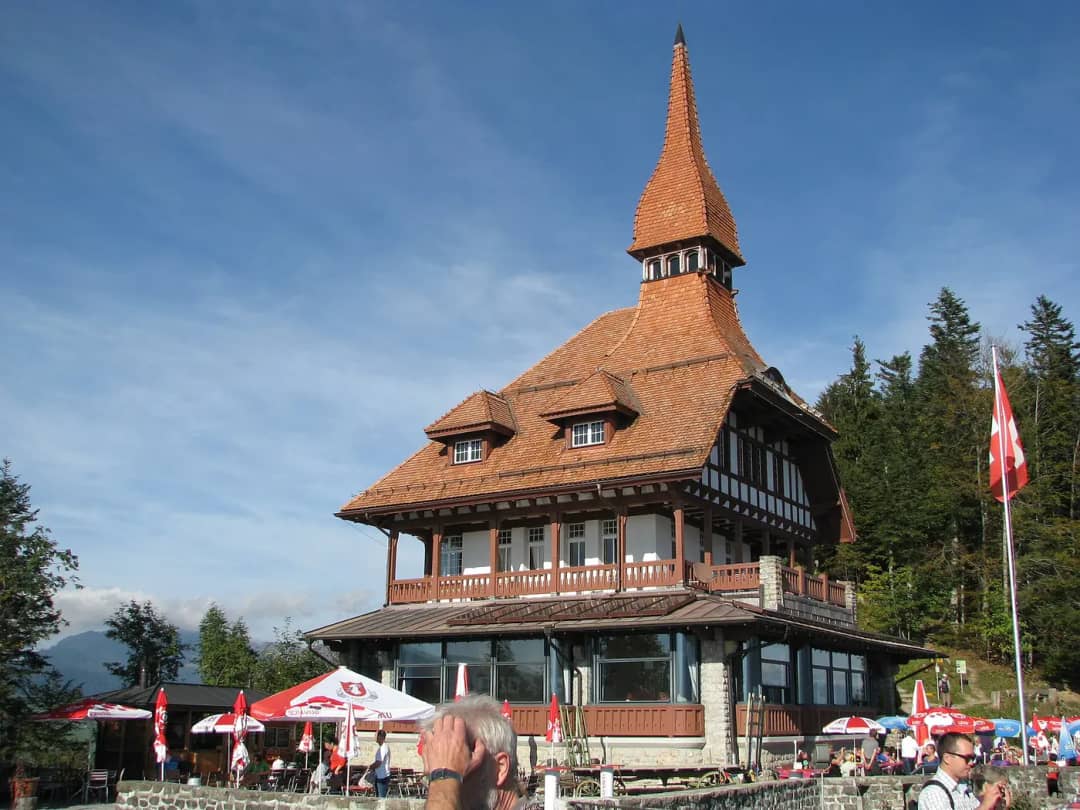
10. Coucher de soleil sur le Harder Kulm
Le classique. Pierre l'a comparé au point de vue gratuit de la ruine de l'église de Goldswil, plus bas, et pour la vue sur Interlaken, son verdict est court :
« Harder Kulm : plus haut, ça vaut le billet. »
Pierre Vetsch, guide et fondateur, interview du 14 octobre 2026
Le funiculaire monte en 10 minutes depuis Interlaken. Pierre conseille de monter une heure avant le coucher du soleil ; mangez ensuite au restaurant panoramique face à l'Eiger, au Mönch et à la Jungfrau à l'heure dorée. Vérifiez la dernière descente pour votre date sur l'horaire des Jungfraubahnen avant de partir.
Pour quelque chose de plus calme, Beatenberg et la Schynige Platte sont les alternatives.
Conseil d'initié : Gardez une heure au sommet pour le Jardin botanique alpin, où poussent environ 800 espèces de plantes alpines à 1967 m. Il n'ouvre que du 13 juin au 25 octobre 2026 : en début de saison, le train monte mais le portail reste fermé.
11. Sauter des rochers à Iseltwald
Pour les bons nageurs et par temps chaud uniquement : la rive rocheuse à l'est du ponton d'Iseltwald a des plateformes naturelles 3-5 mètres au-dessus du lac. Les locaux y sautent en été. L'eau est glaciale même en août. Portez des chaussures avec lesquelles vous pouvez nager.
12. Les soirées de festival
C'est le soir en été que les festivals de la région prennent vie. Repérez les Tellspiele (théâtre en plein air), le Greenfield Festival, qui amène le rock à Interlaken en juin (sa prochaine édition a lieu du 10 au 12 juin 2027), et l'Unspunnenfest, la fête de la lutte suisse, du costume traditionnel et des bergers alpins, qui a eu lieu pour la dernière fois en 2017 et revient en août 2029. Regardez le calendrier local avant de réserver votre voyage : tomber sur un week-end de festival change complètement l'expérience.
13. L'Eiger depuis le First Cliff Walk
Au-dessus de Grindelwald, le First Cliff Walk est une passerelle métallique ancrée dans une paroi verticale, avec l'Eiger qui remplit tout le champ de vision. Les Jungfraubahnen comptent environ 20 minutes pour la visite. Montez tôt, puis continuez à pied jusqu'au Bachalpsee sans espérer y être seul : Pierre le trouve emblématique, mais il y a beaucoup de monde.
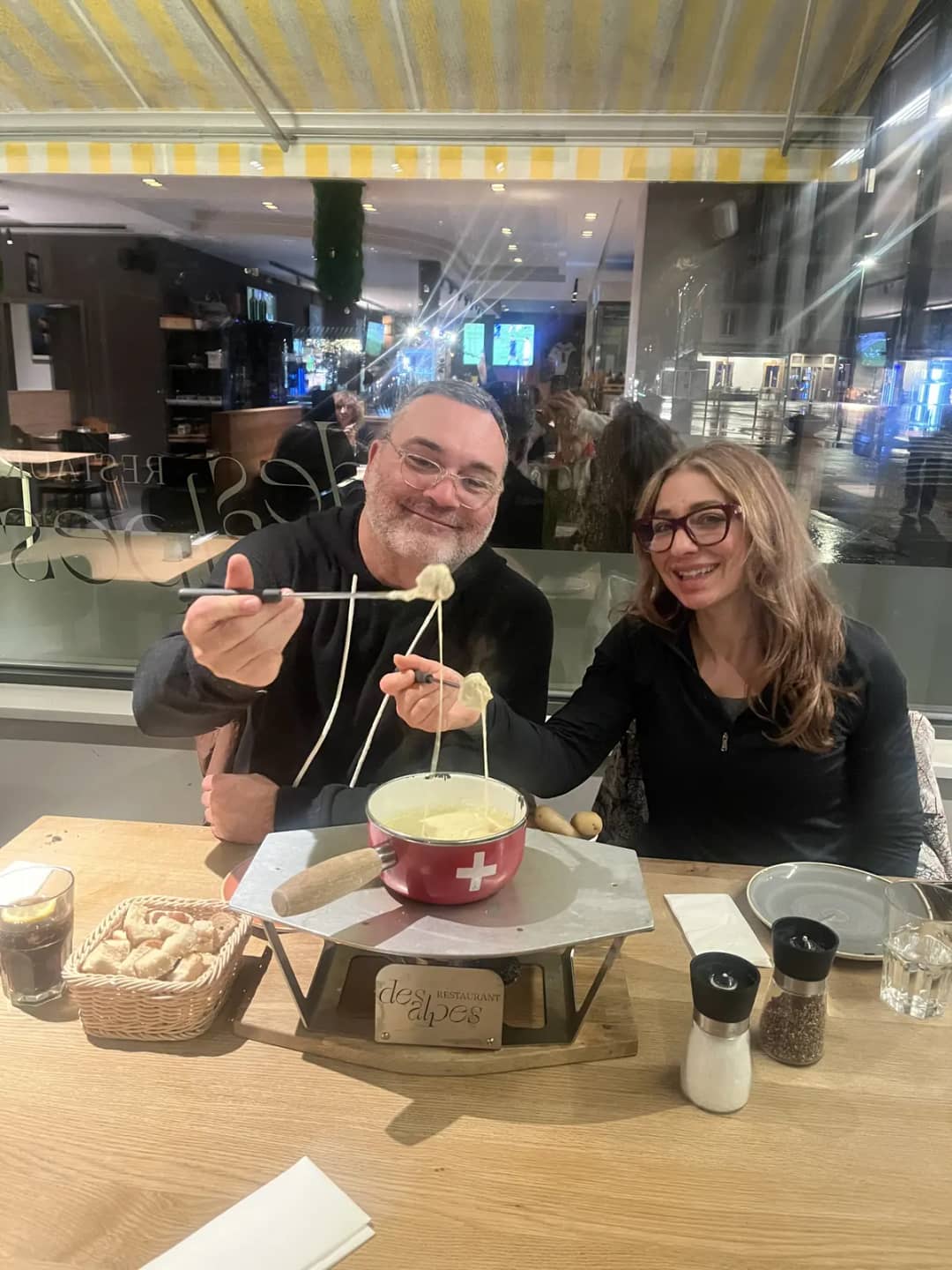
14. Finir la journée sur une terrasse au bord du lac avec une fondue
Même en été, une fondue en fin de journée est l'une des expériences les plus suisses qui soient. Les terrasses au bord du lac que recommande Pierre : le Restaurant Aarburg à Bönigen, la terrasse du Beatus Wellness Hotel au-dessus du lac de Thoune et le Bellevue à Iseltwald ; vérifiez leur carte d'été si la fondue est au programme. Pour la fondue elle-même, le premier choix de Pierre en ville est la Taverne, sur le Höheweg, à l'écart du lac, et notre guide de la meilleure fondue d'Interlaken explique pourquoi. Partagez une bouteille de blanc de Spiez et regardez le lac virer à l'argent.
💡 Le conseil de Pierre Construisez votre journée d'été en trois températures. Le matin, la montagne au frais (randonnée, cabane d'alpage), quand le temps est calme et stable ; l'après-midi, le lac (baignade, paddle), quand il fait plus chaud ; ensuite, une soirée fraîche (fondue, vin, coucher de soleil). Le contraste entre les trois donne l'impression de quatre journées en une.

FAQ - L'été à Interlaken
Fait-il trop chaud à Interlaken en été ?
Rarement. En juillet et août, les températures de journée atteignent 25-28°C en ville mais chutent nettement avec l'altitude et la nuit. La baignade en lac est agréable. Les canicules au-delà de 32°C durent quelques jours par an, surtout fin juillet.
L'été est-il la meilleure période pour visiter Interlaken ?
Pour les activités d'aventure, la randonnée, le parapente, les lacs et les festivals en plein air, oui. Pour des prix plus bas et moins de monde, mai, juin et la fin septembre sont les bonnes fenêtres.
Les lacs sont-ils assez chauds pour se baigner ?
Oui, si vous acceptez l'eau froide. Le lac de Thoune et le lac de Brienz sont agréables pour se baigner de fin juin à début septembre ; dès la mi-septembre, Pierre trouve le lac de Brienz trop froid pour un touriste normal. Ne comptez pas sur une canicule pour réchauffer le lac de Brienz : un guide de kayak du lac a expliqué à Pierre que le lac peut même se refroidir quand il fait chaud, parce que les glaciers fondent et l'alimentent. Le verdict de Pierre sur une baignade dans le lac de Brienz : froid, mais ça vaut le coup.
Faut-il une voiture pour les activités d'été à Interlaken ?
Non. Trains, bateaux, cars postaux et téléphériques couvrent tout ce guide. Le Swiss Travel Pass ou le Berner Oberland Pass rend le tout efficace.
Pour cinq jours d'excursions d'été, le choix de Pierre est le Swiss Travel Pass.
Quelles activités d'été à Interlaken conviennent aux familles ?
La baignade dans les lacs, les bateaux BLS, les marches au Bachalpsee et à l'Oeschinensee, les ateliers de sculpture sur bois à Brienz, le Trottibike et le Mountain Cart à First, le funiculaire du Harder Kulm et la journée à la chocolaterie Maison Cailler. J'ai visité les deux ateliers de sculpture de Brienz, Huggler et Jobin, et la salle d'exposition de l'école de sculpture sur bois vaut le détour. Notre Farm Tour accueille les enfants accompagnés d'un adulte, a des sièges enfants dans le van et ne demande aucune marche.
Quand commence vraiment la saison d'été à Interlaken ?
Environ de la mi-mai (les lacs se réchauffent, les randonnées basses s'ouvrent, les restaurants sortent les terrasses) à fin septembre. Certains téléphériques de haute altitude tournent jusqu'en octobre.
Que faire à Interlaken quand il pleut ?
Pour une journée grise : le Bödelibad Interlaken a une piscine couverte et un espace bien-être, les cascades de Lauterbrunnen sont spectaculaires sous les nuages bas, et le train direct depuis Interlaken West rejoint Berne en 50 minutes environ (51 à 52 minutes sur l'horaire que nous avons consulté le 15 octobre 2026), ce qui vous dépose dans l'une des plus belles vieilles villes de Suisse à parcourir à pied. Un matin de pluie dans une boulangerie de Bönigen avec un café et le lac pour vous seul est aussi un plan tout à fait valable.
Combien de jours faut-il à Interlaken en été ?
Deux jours, c'est le minimum pour sentir la différence entre l'Interlaken touristique et l'Interlaken local. Construisez chaque journée dans l'ordre de Pierre : la montagne le matin, quand le temps est calme et stable, le lac l'après-midi, quand il fait plus chaud. Jour un : un mardi ou un jeudi, le Farm Tour occupe la matinée et vous ramène à Interlaken vers midi, puis une baignade ou un bateau l'après-midi. Jour deux : l'Oeschinensee ou Grindelwald-First le matin, le lac après le déjeuner, et le Harder Kulm une heure avant le coucher du soleil, puis une fondue. Le tour des vins au-dessus de Spiez part le lundi, le mercredi et le vendredi à 15h30 : il trouve donc sa place un autre jour. Trois jours vous laissent ralentir assez pour arrêter de cocher une liste. À partir de cinq nuits, Pierre conseille de garder Interlaken comme base et de faire des excursions à la journée : Grindelwald avec First et l'Eiger ; Lauterbrunnen avec Mürren et Wengen ; Kandersteg avec Blausee et l'Oeschinensee ; Brienz et Iseltwald, le Rothorn et Meiringen ; et Interlaken lui-même.
Si vous choisissez l'Oeschinensee pour votre journée en montagne, lisez d'abord notre guide de l'Oeschinensee au-dessus de Kandersteg : il détaille le trajet en train et en télécabine depuis Interlaken, les sentiers plus calmes autour du lac et les heures où la foule se disperse.
Faut-il être sportif pour profiter d'Interlaken en été ?
Non. La plupart des expériences de cette liste conviennent à tout le monde : bateau sur le lac de Thoune, dégustation au-dessus de Spiez, petit-déjeuner à la ferme dans le Justistal, où le van se gare à la ferme et où il n'y a pas de marche, Harder Kulm en funiculaire, fondue sur une terrasse au bord du lac. Celles qui demandent un vrai effort le disent : la montée à pied à l'Oeschinensee, la descente à pied du sommet du Rothorn jusqu'à Planalp, le saut depuis les rochers d'Iseltwald et une sortie en pagaie à l'aube. La version locale d'Interlaken est plus lente et plus humaine que la version sports extrêmes qui remplit la plupart des guides.

Préparez votre été lent dans l'Oberland bernois
Les 14 idées ci-dessus ne sont pas une liste à cocher. Ce sont des points de départ. Choisissez-en trois. Combinez-les sur une journée. Répétez autant de jours que vous en avez. Au moment de partir, vous connaîtrez Interlaken comme les locaux le connaissent, par ses rythmes plus que par ses sites.
Prenez vos trois idées dans l'ordre de Pierre : la montagne le matin, le lac l'après-midi.
Si ce qui vous retient, c'est un programme d'été déjà plein, la réponse de Pierre tient en une ligne :
« Une demi-journée avec un local, et tu comprends la région. »
Pierre Vetsch, guide et fondateur, interview du 14 octobre 2026
Cette demi-journée peut être une matinée à la ferme de Daniela, dans le Justistal : le petit-déjeuner à sa table, son fromage du jour fait devant vous, et le retour à Interlaken vers midi avec l'après-midi libre pour le lac. Le Farm Tour tourne de mai à mi-septembre, le mardi et le jeudi à 8h depuis Interlaken West, à CHF 149 par personne et 8 personnes au plus, et nous en avons fait plus de dix chez Daniela en 2026. Je garde une matinée d'été pour la ferme de Daniela, ou posez-nous vos questions sur WhatsApp : nous répondons en général dans l'heure.
Comment cet article est fait : faits et prix vérifiés aux sources officielles le 8 octobre 2026, rédigé avec l'aide de l'IA.
*Écrit par Olivia Lufman, votre rédactrice voyage chez Swiss Local Adventures
Source :
connaissance locale acquise comme guides dans l'Oberland bernois, 2026.
Mots-clés
#summer-interlaken#things-to-do-interlaken#interlaken#bernese-oberland#jungfrau-region#swiss-alps#lake-brienz#lake-thun#swiss-summer
Sources & Références
- •MySwitzerland.com
- •Interlaken Tourismus
- •Photo: Iter1, Wikimedia Commons (Public domain)
- •Photo: Manfred Wohlfahrt, Wikimedia Commons (Public domain)
- •Botanischer Alpengarten Schynige Platte, official site (alpengarten.ch), consulted 07.10.2026
- •Brienz Rothorn Bahn, Bahngeschichte (official site), consulted 07.10.2026
- •Swiss Local Adventures, Farm Tour: CHF 149 (CHF 139 from 6), Tuesdays and Thursdays, 8:00 AM, back around noon, max 8, May to mid-September, 35 min over Beatenberg, no walking, breakfast list ("Breakfast is whatever this farm produced"), "Sit at her table", copper cauldron, cauldron to press, Daniela awake since five, children accompanied by an adult and child seats; calendar 01.06-15.09.2026 Tue/Thu, opened 15.10.2026
- •Swiss Local Adventures, Wine Tour: CHF 139 (CHF 129 from 6), 3:30 PM, max 8, 4 local Swiss wines with regional cheese, pick-up Interlaken; calendar Mon/Wed/Fri 18.05-30.09.2026 (text says May to October), opened 15.10.2026
- •timetable.search.ch, Interlaken West to Bern on 16.10.2026: IC 81 10:04-10:56 and IC 61 10:34-11:25 direct, 51 to 52 min, opened 15.10.2026
- •Jungfrau Railways, Harder Kulm: funicular, 10 minutes from Interlaken, opened 15.10.2026
- •Jungfrau Railways, Grindelwald-First: Bachalpsee less than an hour on foot from First, Cliff Walk about 20 minutes, Mountain Cart and Trottibike, opened 15.10.2026
- •Niesenbahn: the Niesen is reached by funicular (Standseilbahn), not a cogwheel train, opened 15.10.2026
- •Brienz Rothorn Bahn, Wandern: Brienz-Planalp path via the Milibachgraben still closed after storm damage; Brienzer Rothorn to Planalp 2.5 h, opened 15.10.2026
- •Federal hiking closure register (ASTRA, geo.admin.ch): Brienz Milibach, closure with detour, until further notice, storm damage, opened 15.10.2026
- •Gemeinde Iseltwald, tourism: CHF 5 entrance fee for the boat pier; stay in public areas, no private property, opened 15.10.2026
- •Unspunnenfest: 10th edition in 2017, next in August 2029 (so not every six years), opened 15.10.2026
- •Greenfield Festival: 10 to 12 June 2027, Interlaken, opened 15.10.2026
- •Bödelibad Interlaken: indoor pool (Hallenbad) and wellness, opened 15.10.2026
- •geo.admin.ch search: official bus stop Ringgenberg, Anhöhe-Burgseeli (Burgseeli at Ringgenberg), opened 15.10.2026
- •geo.admin.ch search: no lake named Hintergeseeli or Hinterer Geltensee in the federal gazetteer, opened 15.10.2026
Partager cet article
Articles Similaires
Continuez votre lecture avec ces articles connexes
Lieux et excursions
18/10/2026
12 min
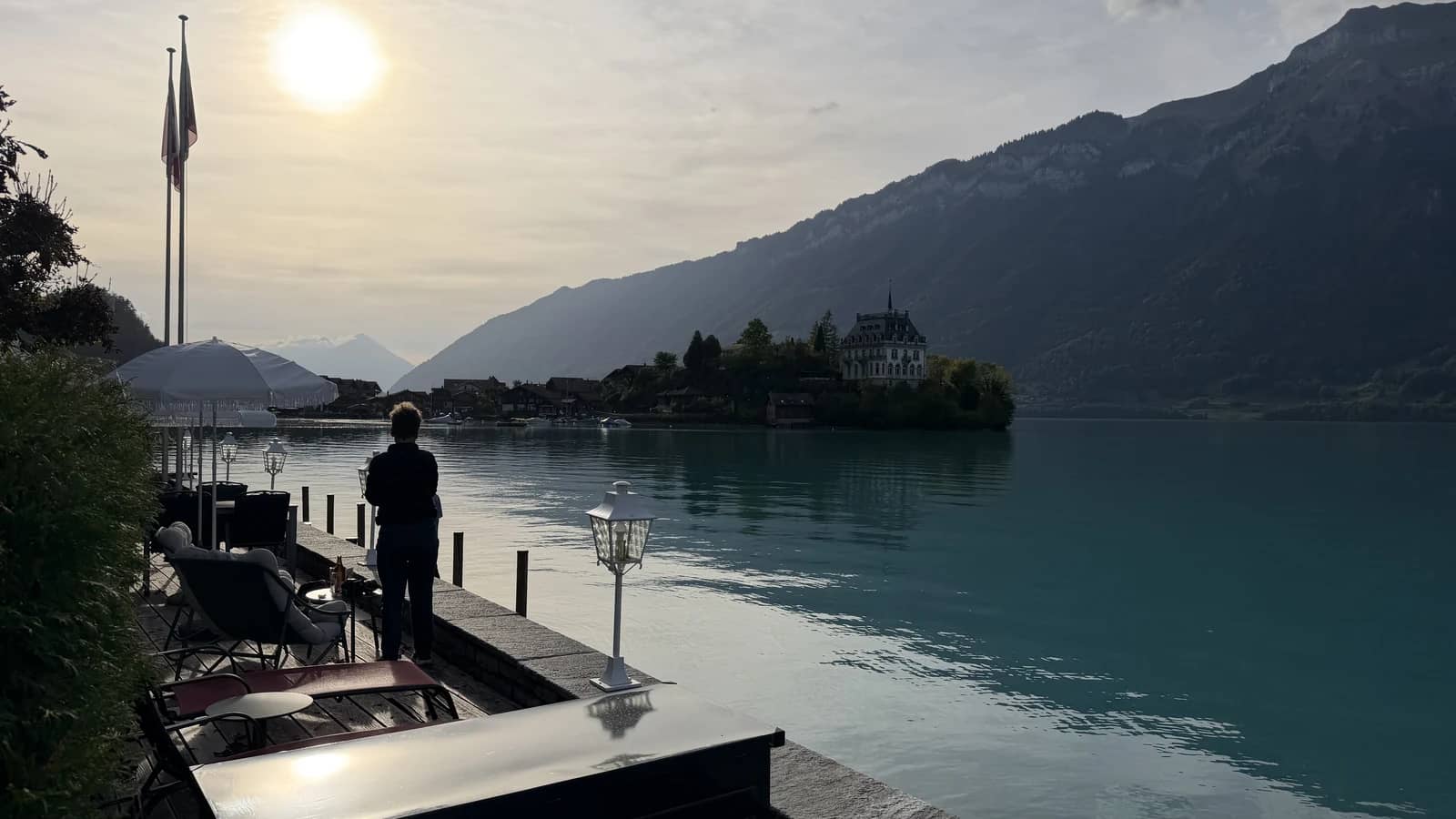
Coucher de soleil à Interlaken : où le voir, par saison
Où voir le coucher de soleil à Interlaken : la ville perd le soleil à 15h48 en décembre. La Höhematte l'hiver, Harder Kulm l'été.
interlaken-sunsetsunset-spotsalpenglow-jungfrau
Par Pierre VetschLire Plus
Lieux et excursions
26/09/2026
10 min
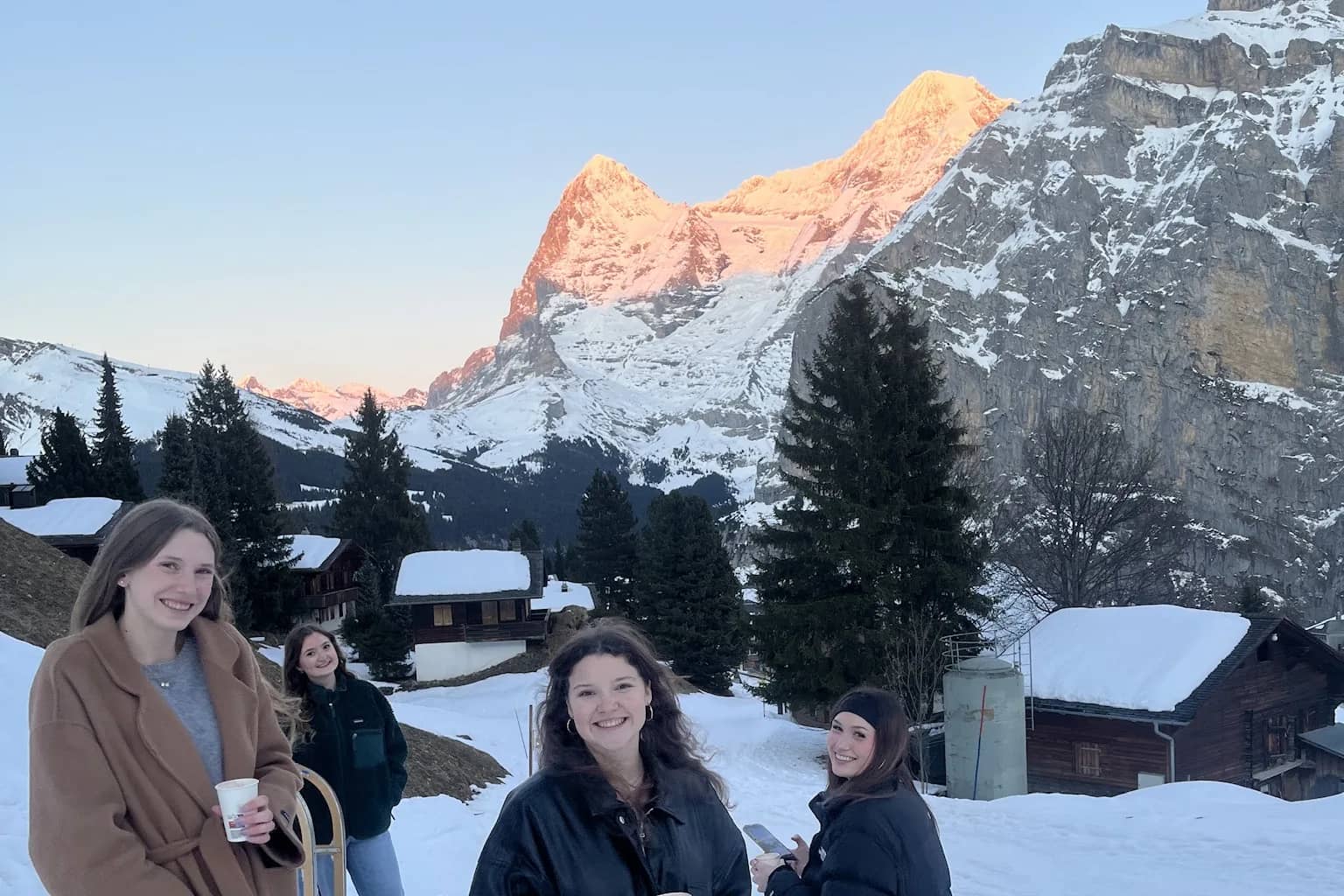
Wengen ou Mürren ? Wengen en été, Mürren en hiver
Wengen est à 13 minutes de moins d'Interlaken et plus calme le soir. Un guide local vous dit où loger, et pourquoi l'hiver change tout.
where-to-stay-jungfraulauterbrunnen-valleycar-free-villages-switzerland
Par Pierre VetschLire Plus
Lieux et excursions
25/09/2026
12 min
Gimmelwald vaut-il le détour ? Oui, une heure suffit
Depuis décembre 2024, la télécabine rapide vers Mürren évite Gimmelwald. Un guide local explique pourquoi s'arrêter une heure, et dormir à Mürren.
lauterbrunnen-valleycar-free-villages-switzerlandmurren-day-trip
Par Pierre VetschLire Plus