Wine Tour
Las mejores regiones vinícolas de Suiza: Lavaux y Spiez
O
Olivia Lufman
Autor
11 de mayo de 2026
27 min
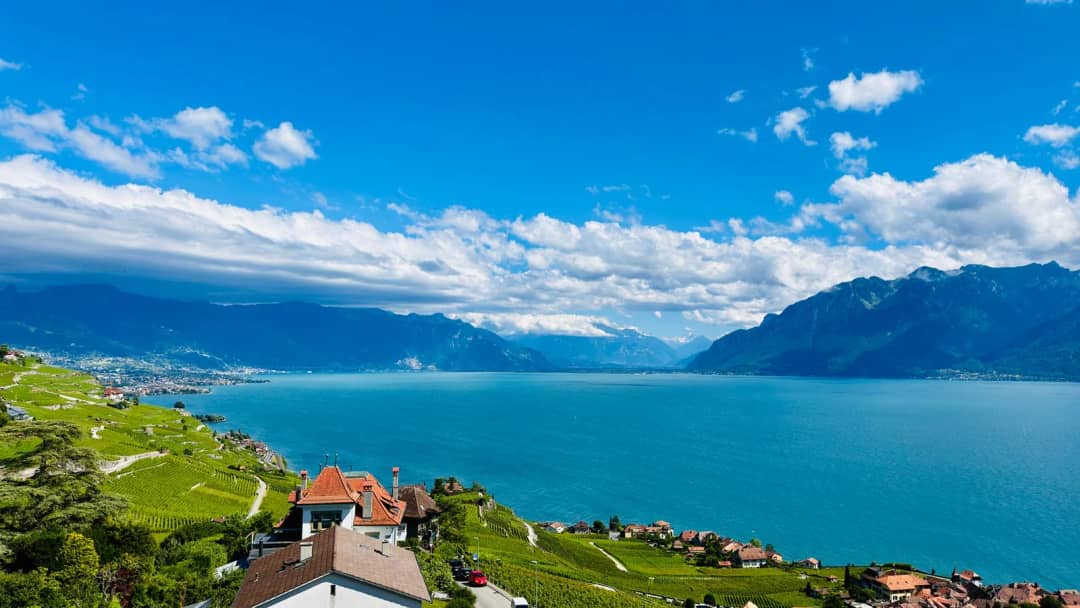
Las 5 mejores regiones vinícolas de Suiza: de Lavaux a Spiez
El 98% del vino suizo nunca sale del país. Cada botella que prueba aquí se queda aquí. No es una frase de marketing. Es una cuestión de oferta: la producción suiza es pequeña, la demanda interna es alta y los volúmenes de exportación son insignificantes frente a Francia o Italia.
Para usted eso significa algo muy sencillo. El vino que bebe en un viñedo suizo es un vino que no puede comprar en su país. No existe en los estantes de Londres, Nueva York ni Tokio. Esa exclusividad no es casual. Está inscrita en la geografía de este país.
Suiza tiene seis regiones vinícolas, y esta guía elige cinco zonas entre ellas, cada una moldeada por un clima, una uva y un paisaje diferentes. Algunas son mundialmente conocidas. Otras apenas aparecen en las guías en inglés. Este artículo cubre las cinco, con una valoración honesta de cuáles merecen el viaje si se aloja en Interlaken, y por qué una de ellas, Spiez, suele ser la que más sorprende.
¿Cuáles son las mejores regiones vinícolas de Suiza?
Suiza cuenta con seis regiones vitivinícolas, según Swiss Wine Promotion: Valais, Vaud (donde está Lavaux), Ginebra, Ticino, la Suiza de habla alemana y la región de los Tres Lagos. Las más visitadas son Lavaux y Valais. La más subestimada, sobre todo desde Interlaken, es Spiez, a orillas del lago de Thun.
Cada región produce un vino con un carácter que no encontrará en ningún otro sitio. La altitud, las laderas orientadas al sur y las variedades locales crean sabores realmente distintos de los vinos franceses o italianos, incluso con la misma uva.
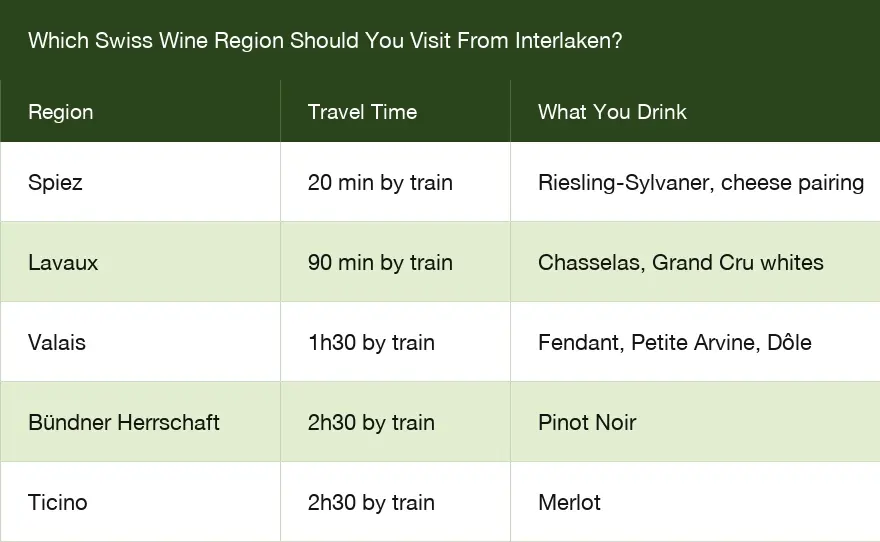
Si dispone de dos semanas en Suiza, puede visitar las cinco. Si tiene unos días alrededor de Interlaken, las opciones realistas son Spiez (20 minutos en tren) y Lavaux (unos 90 minutos). Valais cabe en un día entero. Las demás piden más tiempo.
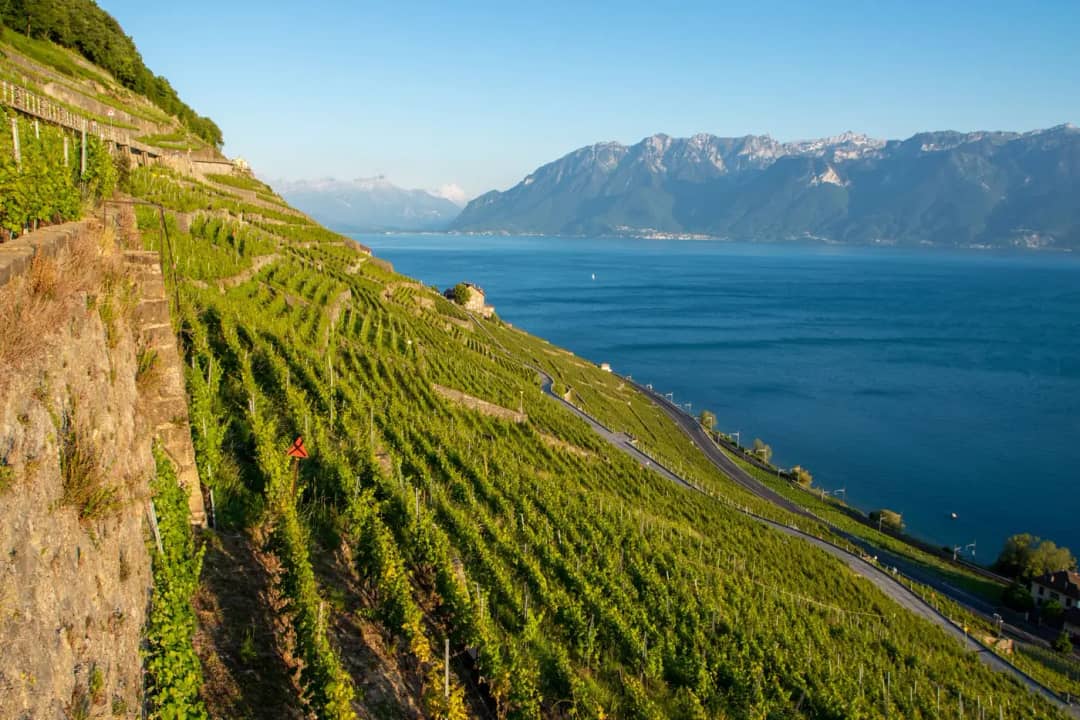
1. Lavaux: el viñedo UNESCO que se ganó su estatus
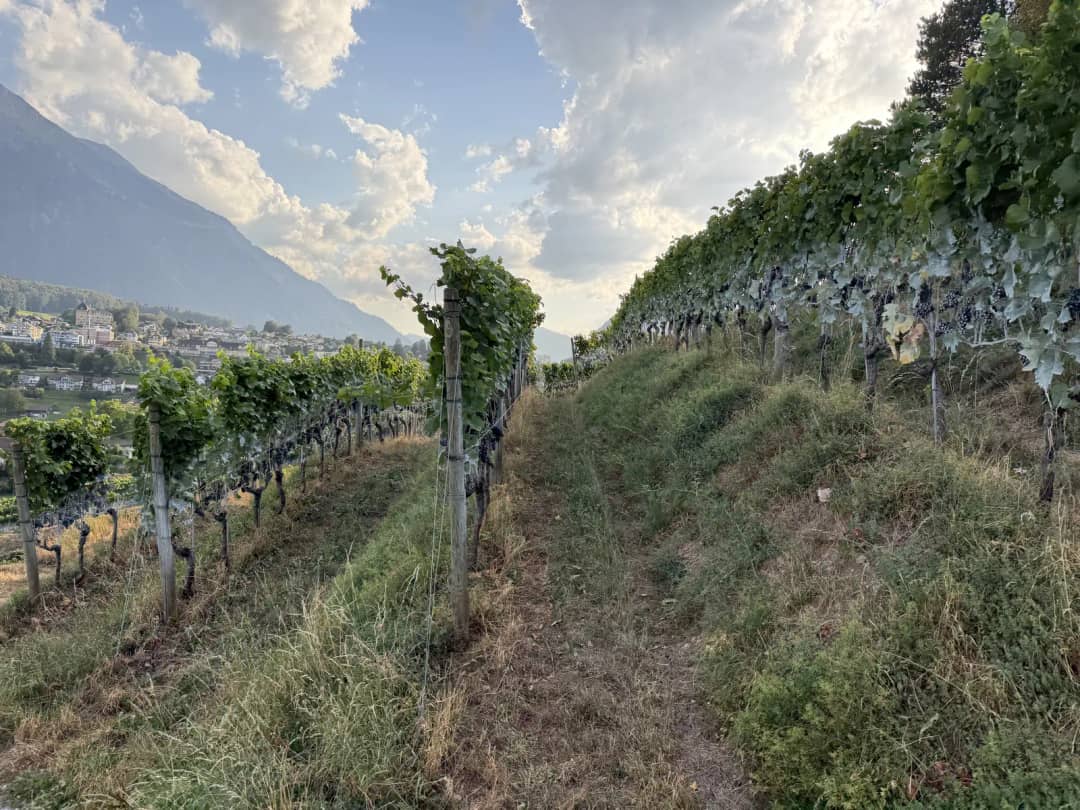
Lavaux es el paisaje vitícola más fotografiado de Suiza y, sin duda, uno de los entornos de viñedo más impresionantes de Europa. Las cepas en terrazas se extienden por la orilla norte del lago de Ginebra, entre Lausana y Montreux, y suben en fuerte pendiente desde el agua hasta la cresta.
La UNESCO inscribió Lavaux en 2007, en reconocimiento a su cultivo continuo desde el siglo XI y a la extraordinaria obra de ingeniería que representan sus terrazas. Al caminar entre las viñas verá muros levantados a mano durante siglos, que retienen una tierra que de otro modo acabaría en el lago.
La leyenda de los tres soles
Los viticultores de Lavaux hablan de tres soles: el del cielo, el que se refleja en el lago de Ginebra y el calor que los muros de piedra devuelven por la noche. Juntos alargan el ciclo de maduración y generan un calor que las cifras por sí solas no explican.
La uva dominante es el Chasselas, una variedad casi desconocida fuera de Suiza y bastante despreciada por el comercio mundial del vino. En Lavaux da algo muy distinto: mineral, delicado, con una ligera efervescencia que viene del CO2 natural retenido durante la vinificación. Los mejores ejemplos proceden de parcelas Grand Cru como Calamin y Dézaley, ambas protegidas por la UNESCO. A ese nivel, la calidad se sitúa junto a un buen Borgoña blanco.
Dato curioso: La UNESCO inscribió Lavaux en 2007, y en sus terrazas se cultiva la vid desde el siglo XI.
Los productores de Lavaux son pequeños por convicción. La mayoría son familiares. Aquí no hay grandes bodegas comerciales. Se puede catar en fincas de los pueblos de Epesses, Rivaz y Saint-Saphorin, y varios productores abren sus bodegas las tardes del fin de semana sin reserva previa.
Los pueblos merecen tiempo por sí mismos. Grandvaux y Rivaz transmiten esa sensación de lugares que no han necesitado cambiar, porque el vino atrae visitantes sin ningún otro reclamo.
Ideal para: quienes quieren combinar la cata con un paseo junto al lago, quienes aprecian la viticultura de siempre y quienes buscan el paisaje vinícola más bello de Suiza. Reserve un día entero desde Interlaken.
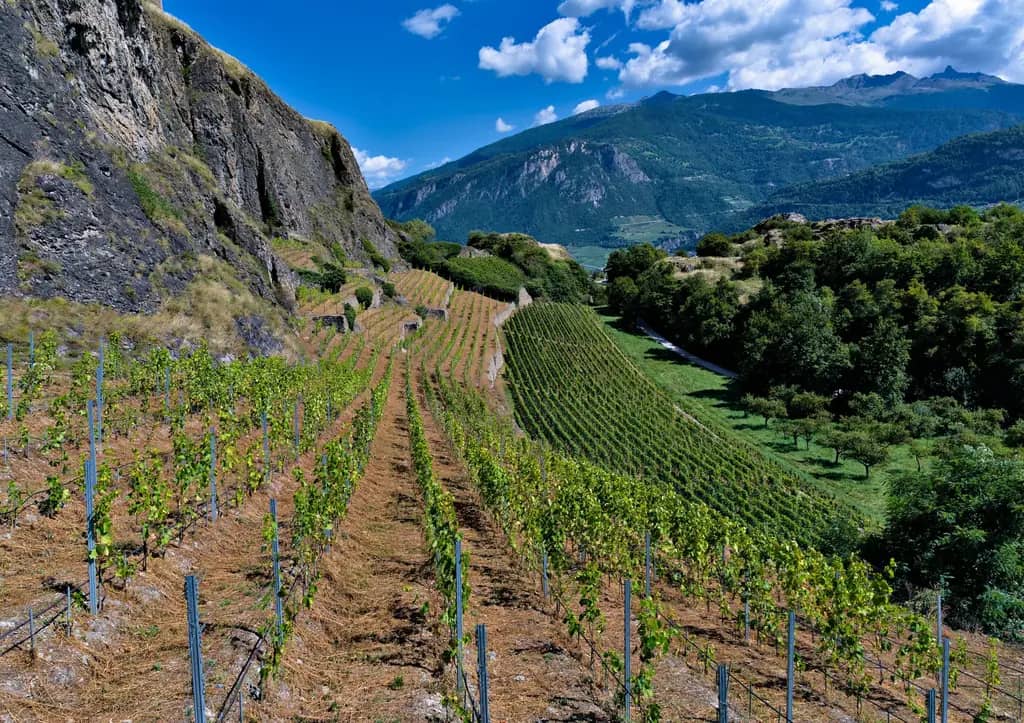
2. Valais: la región vinícola más grande y variada de Suiza
Valais produce más vino que ninguna otra región suiza. Se extiende por el valle del Ródano, de Martigny al oeste a Sierre al este, protegida al norte por los Alpes berneses y favorecida por un clima seco y soleado que se parece más al del sur de Francia que al resto de Suiza.
La región concentra alrededor de un tercio de toda la producción vinícola suiza. El abanico de uvas es amplio: Chasselas bajo el nombre local de Fendant, Pinot Noir como Dôle cuando se mezcla con Gamay, y una colección de variedades autóctonas raras que no existen en ningún otro lugar. Heida, Petite Arvine, Cornalin y Amigne solo se cultivan aquí en cantidad comercial.
Qué hace diferente al vino de Valais
La altitud importa. Muchos viñedos de Valais están entre 600 y 800 metros. A esa altura, los días cálidos y las noches frescas conservan la acidez y la intensidad aromática como no pueden hacerlo las zonas bajas. El resultado son vinos que saben maduros y frescos a la vez.
Olivia dice: «Si abre una sola botella en el Valais, que sea una Petite Arvine. No encontrará esa uva en una versión seria y bien hecha en ningún otro lugar del mundo.»
Olivia Lufman, su redactora de viajes en Swiss Local Adventures
Sierre y Sion son las dos localidades más ligadas al enoturismo. Ambas tienen productores que reciben visitas, y la carretera cantonal que recorre el valle pasa de viñedo en viñedo.
Si le interesan las variedades autóctonas raras, Valais es el único lugar del mundo donde puede probarlas en versiones serias y bien elaboradas. La Petite Arvine, en particular, ha llamado la atención internacional en los últimos años.
Ideal para: quienes buscan variedad y profundidad, viajeros con un día completo o una noche disponible, y cualquiera interesado en las uvas autóctonas suizas poco conocidas. Desde Interlaken: entre 1.5 y 2 horas en tren vía Sion.
3. Bündner Herrschaft: la pequeña Borgoña de Suiza
Bündner Herrschaft se encuentra en el cantón de Graubünden, en el este de Suiza, y produce algunos de los Pinot Noir más respetados del país. El clima aquí es resguardado y sorprendentemente cálido, protegido de los vientos fríos por las montañas que lo rodean. Los productores usan con prudencia la comparación con Borgoña, pero la calidad en la cima es seria.
Nota para quienes se alojan en Interlaken: esta región queda a más de 2 horas de viaje por trayecto. Merece el desvío si tiene un día libre entero y un interés concreto por el Pinot Noir.
Ideal para: amantes convencidos del tinto y del Pinot Noir. Combínelo con una visita a Chur.
4. Ticino: donde Suiza se encuentra con el Mediterráneo
Ticino es el cantón de habla italiana del sur de Suiza, y su vino sabe a eso. El clima es cálido y mediterráneo, y la uva dominante es el Merlot. El Merlot ticinés es más ligero y herbáceo que los de Burdeos o California, con una frescura que refleja la altitud y el estilo local de elaboración.
Desde Interlaken, Ticino queda a más de 2 horas de viaje. Merece de verdad la visita dentro de un itinerario suizo más amplio, sobre todo si viaja por la ruta del Gotardo.
Ideal para: quienes exploran el sur de Suiza y los amantes del vino italiano. Prevea al menos una noche en Lugano.
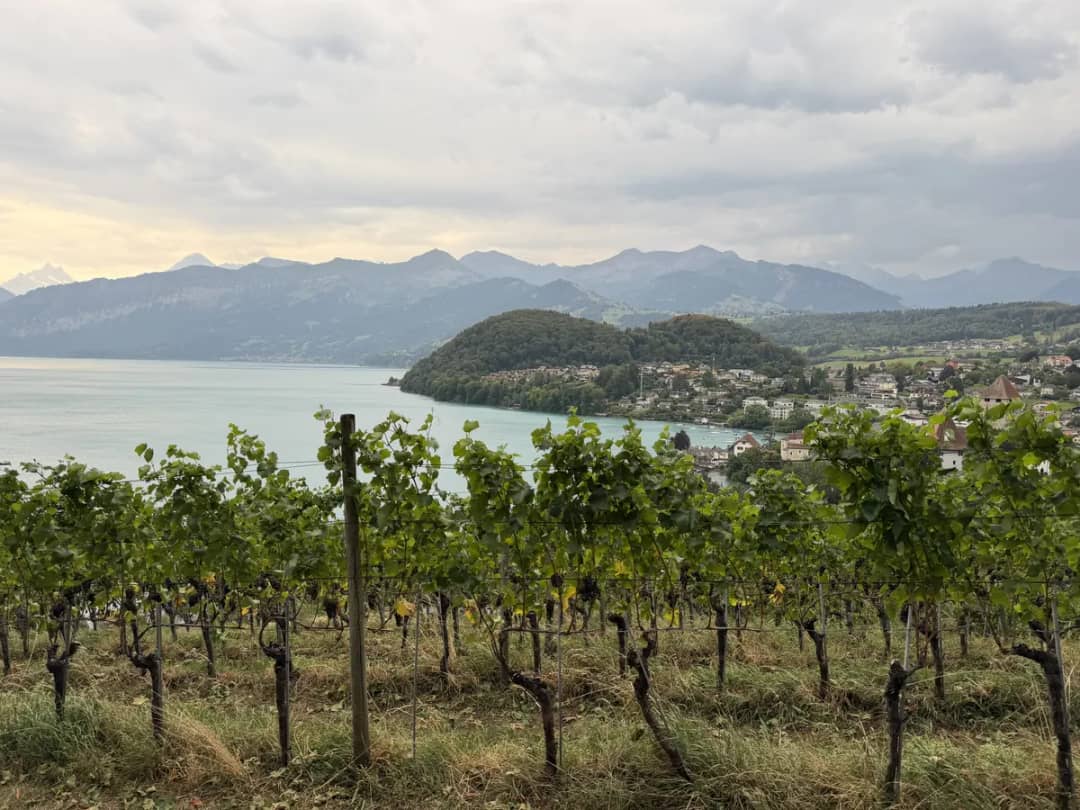
5. Spiez: la joya vinícola alpina escondida cerca de Interlaken
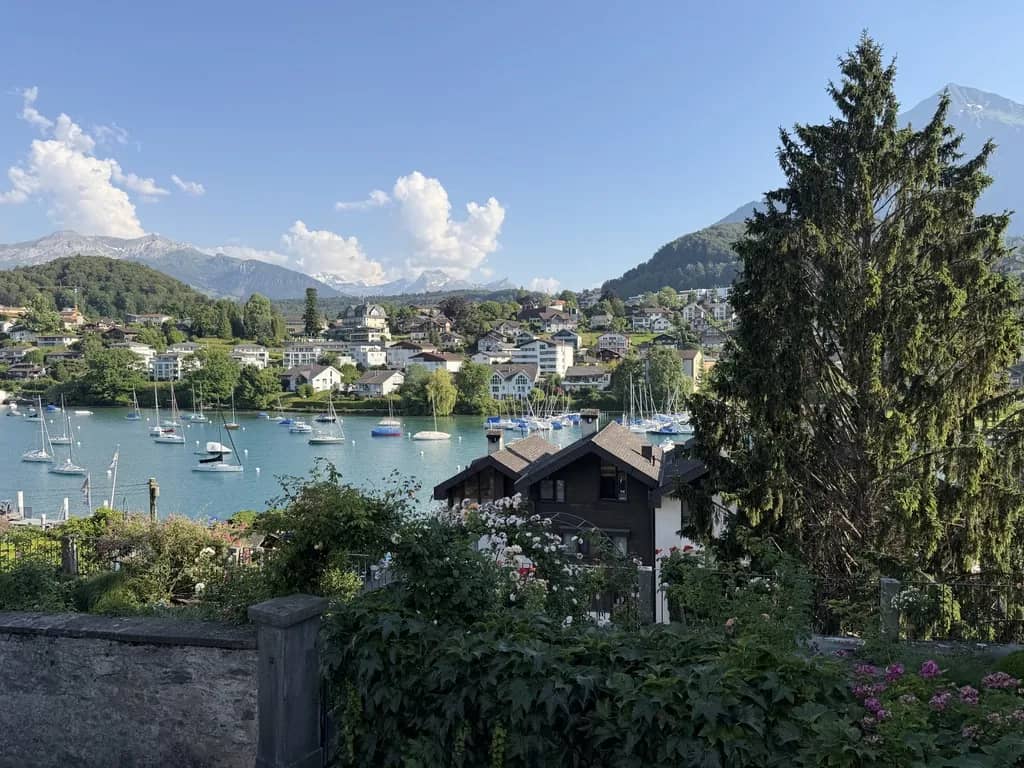
Spiez se asienta en un promontorio que se adentra en el lago de Thun, a 20 minutos en tren directo desde Interlaken. La mayoría de los visitantes lo conocen por el castillo de la postal. Pocos saben que las viñas que rodean ese castillo se cultivan desde el año 994, según documentos históricos anteriores a casi todas las grandes regiones vinícolas de Francia.
La bodega que cuida hoy esas viñas se llama Alpine Weinkultur Spiez, y nuestro artículo sobre vino suizo desde el año 994 cuenta cómo sigue trabajándose esa ladera mil años después.
La superficie de viña es pequeña. Spiez no produce a escala. Eso es parte de lo que hace distinta la visita: no se une a una operación comercial de catas. Entra en una finca en activo que elabora su vino para el consumo local, con una cata que existe gracias a un acuerdo directo con Swiss Local Adventures.
Por qué Spiez se siente distinto de Lavaux o Valais
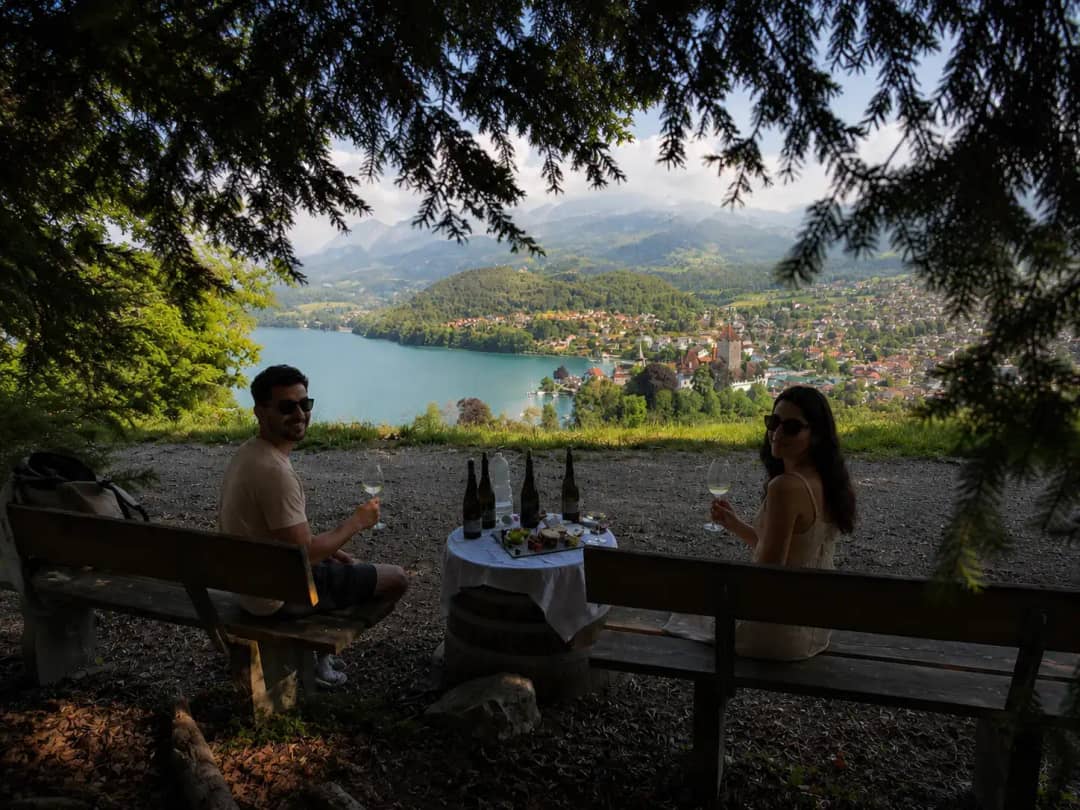
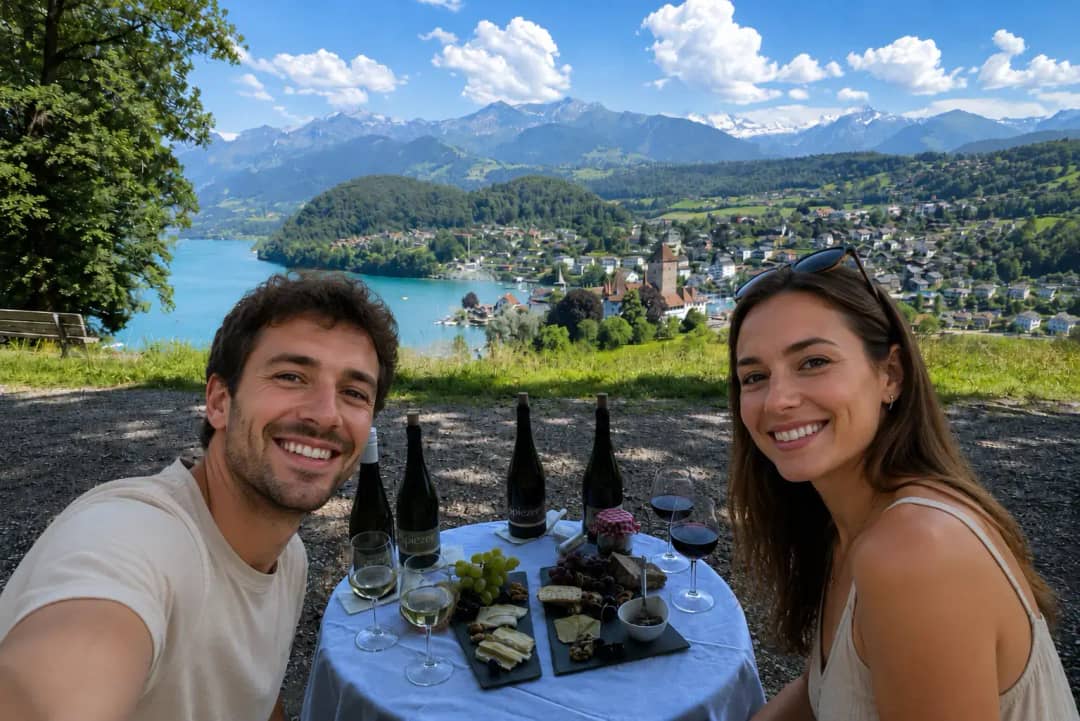
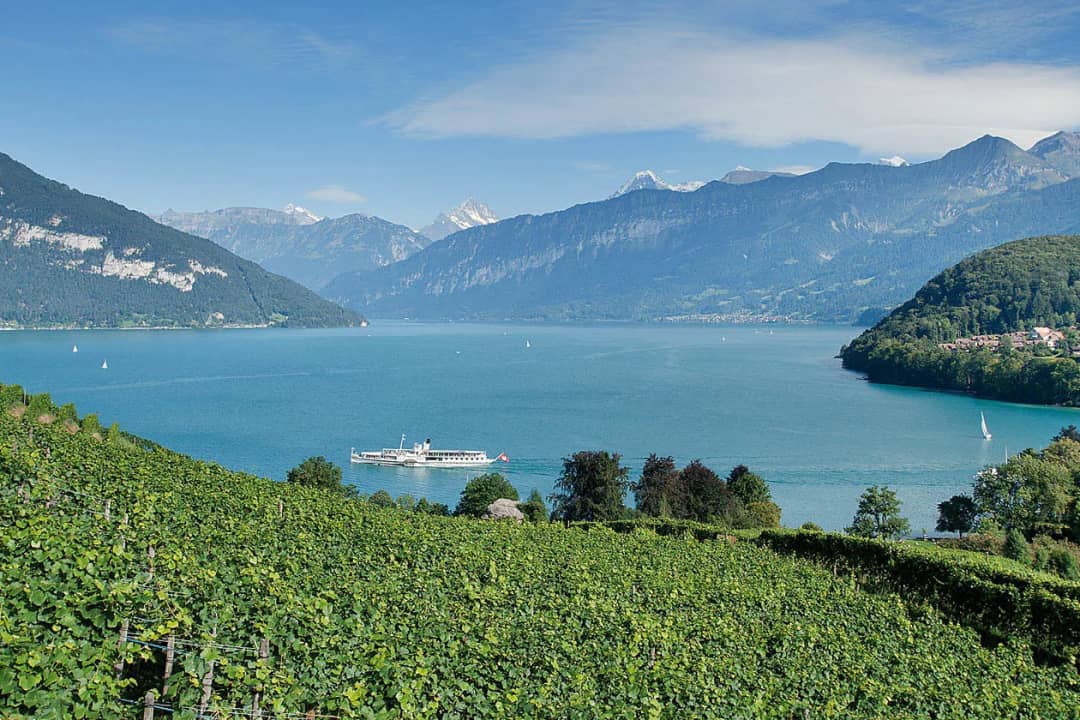
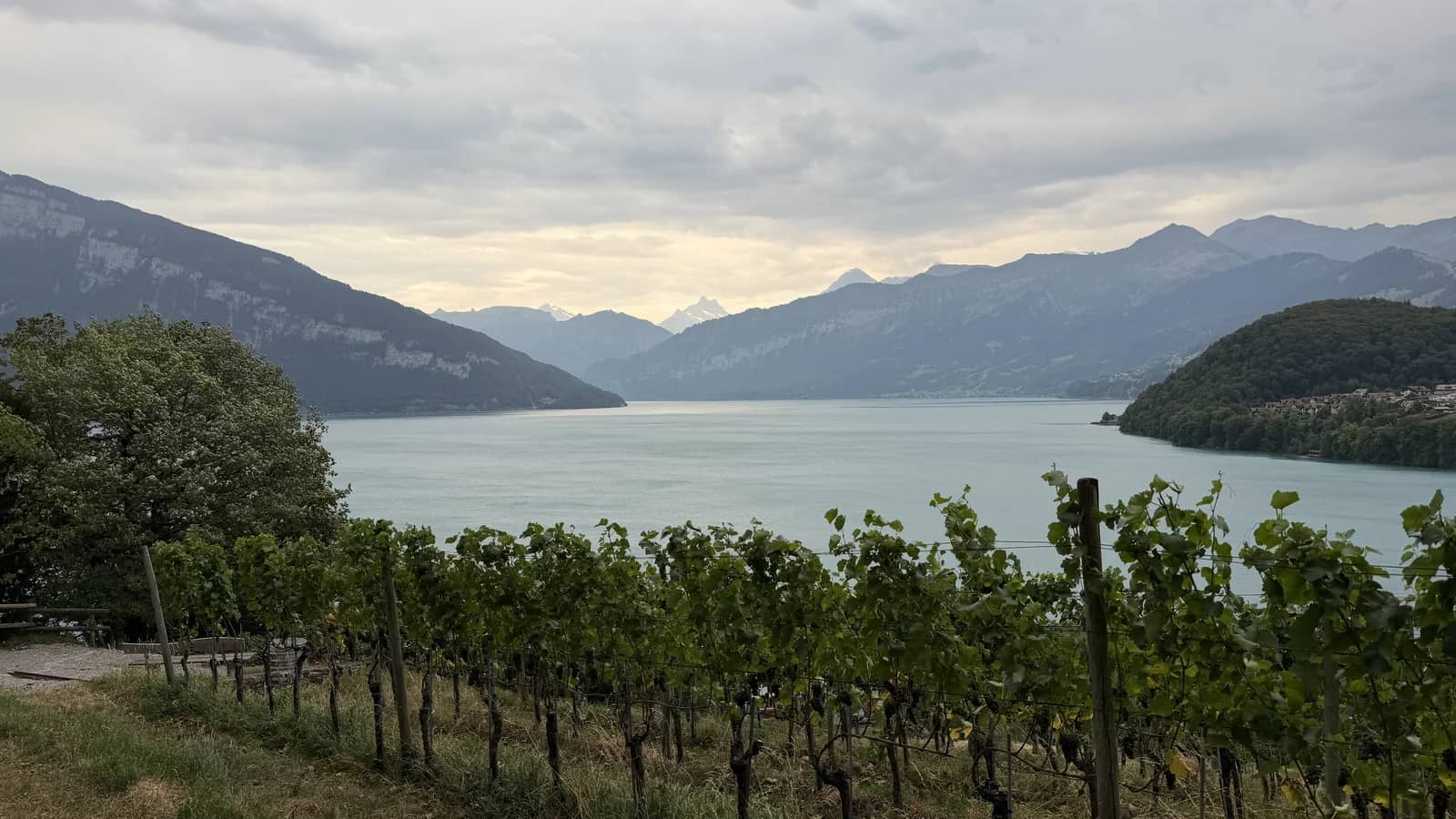
La vista desde la terraza del viñedo es la primera respuesta. El lago de Thun tiene un tono azul verdoso muy particular que cambia con la luz y la estación. Los Alpes suizos se levantan justo detrás, nevados casi todo el año. El castillo ocupa la parte baja de la ladera. Usted sostiene una copa y mira una composición que la geología y la historia tardaron varios miles de años en ordenar.
La segunda respuesta es la escala. En Spiez no hay autocares. El grupo de cata es de 8 personas como máximo. Es una decisión, no una casualidad.
"Esperaba que Spiez fuera algo secundario. Casi todas las guías de vino le dedican media frase entre Lavaux y Valais. La vista desde la terraza del viñedo cambió eso: el lago a un lado, los Alpes al otro, y una copa de Riesling-Sylvaner que sabía a un sitio y solo a ese sitio. Esa es la respuesta honesta a por qué el vino suizo se siente distinto de todo lo demás."
Qué se bebe en Spiez
La variedad principal cultivada en Spiez es el Riesling-Sylvaner (Muller-Thurgau), que da un vino de acidez viva, notas florales y una limpieza que marida excepcionalmente bien con los quesos de la zona.
La cata incluye quesos suizos AOP junto al vino. El Gruyère AOP y el Emmentaler AOP se producen en la región y acompañan con precisión al Riesling-Sylvaner: el queso suaviza la acidez del vino y deja que la fruta se adelante. Es una combinación difícil de repetir fuera de Suiza, porque tanto el vino como el queso existen en cantidades muy limitadas fuera de sus cantones de origen.
El acuerdo con Rebbau Spiez
En Rebbau Spiez, Sebastian es quien hizo posible este acceso. Él lleva la relación con SLA por parte de la bodega. La cata a la que se une existe gracias a ese acuerdo, no porque figure en un calendario público.
No es una visita a la que se pueda llegar sin avisar. Se realiza a través del Scenic Wine Tour - Wine and Cheese Tasting Interlaken.
Ideal para: viajeros alojados en Interlaken con medio día libre, visitantes que prefieren algo íntimo antes que un grupo grande, y quien quiera unir vino y cultura gastronómica local con un paisaje realmente excepcional.
¿Por qué es tan difícil encontrar vino suizo fuera de Suiza?
El vino suizo es difícil de encontrar en el extranjero porque casi nada se exporta. El país produce alrededor de 110 millones de litros de vino al año, una cifra pequeña a escala mundial. El consumo interno absorbe esa producción. No queda excedente para exportar, y los costes de producción suizos hacen casi imposible competir en precio en mercados extranjeros.
El resultado es que el 98% del vino suizo se queda en Suiza. Los vinos que prueba aquí no están disponibles en su país. Eso dice algo sobre la oferta, no sobre la calidad.
El vino suizo no tiene un problema de calidad. Tiene un problema de visibilidad. El Chasselas Grand Cru de Lavaux, la mejor Petite Arvine de Valais y el Riesling-Sylvaner de Spiez ofrecen un nivel que compite con las regiones vinícolas europeas consagradas. Simplemente están ausentes del mercado global.
Olivia le preguntó a un viticultor: «¿Por qué no exportan más vino?»
«No queda nada que exportar. En Suiza se bebe casi todo lo que embotellamos, y con nuestros costes seríamos demasiado caros fuera.»
Olivia Lufman, su redactora de viajes en Swiss Local Adventures
Los visitantes que llegan esperando un vino turístico mediocre describen siempre la misma reacción: "No tenía ni idea de que Suiza hiciera un vino así." Esa reacción es universal, sea cual sea su bagaje enológico o su expectativa de precio.
¿Qué variedades de uva se cultivan en Suiza?
Suiza cultiva variedades internacionales y autóctonas, con diferencias marcadas entre regiones.
Uvas blancas: el Chasselas es la uva nacional y domina en Vaud, Valais (como Fendant) y Ginebra. El Riesling-Sylvaner (Muller-Thurgau) es la variedad principal en Spiez. La Petite Arvine y la Amigne son variedades autóctonas raras, casi exclusivas de Valais.
Consejo local: En Lavaux, varios productores abren sus bodegas los fines de semana por la tarde sin reserva. Si alguna vez descartó el Chasselas, pruébelo allí.
Uvas tintas: el Pinot Noir es el tinto líder y está extendido por todas las regiones. El Gamay es frecuente en Valais (mezclado como Dôle). Cornalin y Humagne Rouge son tintos autóctonos raros que solo existen en Valais. El Merlot domina en Ticino.
El Chasselas merece una mención aparte. En la mayoría de los países productores se considera neutro o flojo. En manos de los viticultores suizos de Lavaux y Valais da algo completamente distinto: un vino de precisión mineral, estructura ligera y un leve cosquilleo del CO2 retenido. Si alguna vez descartó el Chasselas, pruébelo en la región donde se hace.
¿Qué región vinícola suiza visitar desde Interlaken?
Aquí tiene una comparación clara para decidir según su tiempo y sus intereses.
Si dispone de medio día: Spiez es la respuesta clara. El tren desde Interlaken Ost tarda 20 minutos y sale con frecuencia. La cata se hace en grupos de 8 personas como máximo.
El medio día cuesta CHF 139 por persona, y si quiere saber qué cubre ese precio frente a una cata suelta en una bodega suiza, el desglose de lo que incluye el tour lo detalla partida por partida.
Si quiere saber cómo transcurren esas horas en la práctica, desde el andén hasta la última copa, el plan minuto a minuto del tour recoge el horario completo.
Si dispone de un día entero: Lavaux o Valais. Ambas exigen planificar el transporte con antelación y, en el caso de algunos productores, reservar.
¿Cuándo es la mejor época para visitar las regiones vinícolas suizas?
Los mejores meses son mayo, junio, septiembre y octubre. Cada uno tiene su carácter.
Mayo y junio traen los viñedos en pleno follaje, flores silvestres entre las cepas y temperaturas cómodas para caminar. Es el periodo más tranquilo para el visitante y el más fotogénico para el paisaje.
Septiembre y octubre son los meses de vendimia, conocida en alemán como Läset . Es cuando los viñedos están más activos: los vendimiadores recorren las hileras, el aire huele a mosto en fermentación y el paisaje pasa del verde intenso al oro y al rojo.
El Spiezer Läset-Sunntig (domingo de la vendimia de Spiez) es la fiesta regional de la cosecha, que se celebra cada otoño, normalmente a finales de septiembre o principios de octubre. Es una ocasión poco frecuente de ver la vendimia en marcha y de probar vinos de varios productores en una sola tarde.
De mediados de julio a mediados de agosto es plena temporada alta. En esos meses reservar con antelación pesa más. En invierno la mayoría de los viñedos están tranquilos, con horarios de visita limitados.
Sus preguntas sobre las regiones vinícolas suizas
¿Tiene Suiza buen vino?
Sí, y de forma constante mejor de lo que el visitante espera. La ausencia del vino suizo en los mercados internacionales crea la falsa impresión de que es inferior. En realidad, el vino suizo nunca ha necesitado competir para exportar. El mercado interno lo absorbe todo a precios que sostienen una viticultura seria. El Chasselas Grand Cru de Lavaux y la mejor Petite Arvine de Valais impresionan a bebedores experimentados, no solo a turistas curiosos. La sorpresa es genuina y se repite: la mayoría describe la calidad como muy superior a lo que imaginaba.
¿Por qué es tan difícil encontrar vino suizo fuera de Suiza?
Oferta y economía. Suiza produce unos 110 millones de litros de vino al año, poco a escala mundial. El consumo interno se lleva casi todo. El coste de producción por botella es alto porque la tierra y la mano de obra suizas son caras, lo que hace casi imposible un precio de exportación competitivo. El resultado es que el 98% del vino suizo se queda en Suiza. No es una decisión de los bodegueros para proteger su mercado. Es la realidad estructural de un país pequeño con una demanda local fuerte. El vino que bebe en un viñedo suizo es un vino que realmente no puede comprar en casa.
¿Qué es el vino Chasselas y por qué es tan distinto en Suiza?
El Chasselas es una variedad que la mayoría de los países productores trata como uva de mesa: agradable, neutra, poco llamativa. En Suiza, sobre todo en Lavaux y en Vaud, es la uva de vino nacional y se cultiva con la misma seriedad con la que Borgoña trata el Chardonnay. El Chasselas suizo es claro de color, delicado de estructura y mineral de carácter. El CO2 producido de forma natural en la fermentación se conserva en lugar de eliminarse, lo que da al vino un leve cosquilleo que lo hace sentir vivo en la copa. Los mejores ejemplos, de parcelas Grand Cru como Calamin y Dézaley, tienen una complejidad y una expresión del lugar que premian la atención.
¿Dónde está la mejor cata de vino cerca de Interlaken?
Spiez es la opción más accesible y, para la mayoría, la más memorable cerca de Interlaken. El viñedo está a 20 minutos en tren directo desde Interlaken, en una ladera sobre el lago de Thun. La cata se hace en grupos de 8 personas como máximo, incluye maridaje con quesos suizos AOP y transcurre en un escenario que reúne un castillo medieval, un lago turquesa y un telón de fondo alpino. Está disponible a través del Scenic Wine Tour - Wine and Cheese Tasting Interlaken de Swiss Local Adventures.
¿Hay alguna ruta del vino desde Interlaken?
Sí. Swiss Local Adventures organiza el Scenic Wine Tour - Wine and Cheese Tasting, que sale de Interlaken, va al viñedo de Spiez en Rebbau Spiez e incluye una cata guiada con maridaje de quesos locales. El grupo se limita a 8 personas, lo que mantiene la experiencia realmente cercana. La excursión completa cabe en medio día. Los detalles y la reserva están en la página de la actividad. Si planea más experiencias en grupo reducido en Interlaken, la ruta del vino combina bien con otras actividades de medio día en la zona.
¿Merece la pena visitar la región vinícola de Lavaux?
Sí, sin dudarlo, si puede dedicarle un día entero. Lavaux es Patrimonio Mundial de la UNESCO por algo: los viñedos en terrazas sobre el lago de Ginebra son uno de los paisajes más impresionantes de Europa, y los Chasselas que allí se producen son la mejor versión de esa uva en el mundo. Los pueblos de Grandvaux, Rivaz y Saint-Saphorin son tranquilos y auténticos. Recorrer la ruta del vino lleva de dos a tres horas a paso cómodo, con catas disponibles en varias fincas del camino. Desde Interlaken, cuente 90 minutos en tren por trayecto.
¿Qué comida marida con el vino suizo?
El vino suizo se pensó, durante siglos, para acompañar la comida suiza. El Chasselas marida mejor con la fondue de queso y la raclette: la acidez del vino corta la grasa del queso fundido y refresca el paladar entre bocado y bocado. El Riesling-Sylvaner, la uva de Spiez, va bien con el pescado de agua dulce del lago de Thun, las carnes secas de Valais y los quesos duros suaves como el Emmentaler. En la cata de Spiez, la selección de quesos se elige para acompañar los vinos que prueba. El Dôle, la mezcla tinta de Valais de Pinot Noir y Gamay, marida de forma natural con la carne de vacuno secada de la zona, la Viande séchée.
¿Cuándo es la vendimia suiza y cómo se llama?
En la Suiza de habla alemana la vendimia se llama Läset . Suele ir de mediados de septiembre a todo octubre, con fechas que varían según la región, la altitud y las condiciones de la añada. En Spiez, el Spiezer Läset-Sunntig (domingo de la vendimia) es la gran fiesta anual, en otoño y abierta al público. Durante la vendimia los viñedos están en su momento más activo y los paisajes en su punto más espectacular: el verde del verano pasa al naranja, al oro y al rojo. Si sus fechas lo permiten, hacer coincidir la visita con la cosecha añade una dimensión que fuera de temporada no se puede repetir.
¿Qué región vinícola suiza visitar de verdad?
Si se aloja en Interlaken, la pregunta se responde bastante rápido sola.
Spiez está a 20 minutos en tren. La experiencia es de pequeña escala, excepcional por el paisaje y accesible sin conocimientos de vino. No hace falta entender de vino para disfrutar la vista desde esa terraza ni para apreciar la diferencia entre un vino hecho en ese sitio concreto y cualquier cosa que pudiera comprar en casa.
Spiez no es el único sitio donde catar cerca de Interlaken, y si prefiere quedarse en la ciudad, nuestra guía de seis opciones reales de cata en Interlaken compara bares, tiendas y tours con sus días de apertura reales.
Lavaux y Valais merecen el viaje si su agenda permite un día completo. Son distintas entre sí y distintas de Spiez, y quien visite las tres se llevará una idea realmente completa de lo que es el vino suizo.
Vale la pena quedarse con el dato del 98%. El vino que bebe en Suiza es vino que se queda en Suiza. Ese es el argumento más honesto para sacar medio día de su itinerario por Interlaken e ir hacia un viñedo.
Si ya se ha decidido por Spiez y quiere saber exactamente qué esperar ese día, la guía de rutas del vino recorre la visita paso a paso.
Cuando quiera reservar: Scenic Wine Tour - Wine and Cheese Tasting Interlaken.
*Escrito por Olivia Lufman, su redactora de viajes en Swiss Local Adventures
Etiquetas
#wine-tour-interlaken#swiss-wine#wine-regions-switzerland#lavaux#valais#spiez#lake-thun#bernese-oberland#interlaken
Fuentes y Referencias
Compartir este artículo
Artículos Similares
Continúe leyendo con estos artículos relacionados
Wine Tour
19/8/2026
5 min
Tour de vinos en Spiez: ¿vale la pena por CHF 139?
Compare: una cata suelta en Suiza cuesta de CHF 30 a 70 y casi ninguna bodega se la vende. Esto es lo que incluyen los CHF 139 del tour.
wine-tour-interlakenwine-tasting-cost-switzerlandswiss-wine
Por Olivia LufmanLeer Más
Wine Tour
18/8/2026
4 min
Cata de vino en Interlaken: 6 opciones reales
Cate vino suizo cerca de Interlaken: tres viñedos a 25 minutos, días de apertura reales y precios. Solo el 2% del vino suizo sale del país.
wine-tour-interlakenswiss-winespiez-vineyard
Por Olivia LufmanLeer Más
Wine Tour
10/7/2026
6 min
¿Qué es el Riesling-Sylvaner? El vino raro de Suiza
Entienda el Riesling-Sylvaner: no es una mezcla de dos uvas, sino el blanco suizo peor entendido. Y dónde catarlo sobre el lago de Thun.
riesling-sylvanermuller-thurgauswiss-wine
Por Olivia LufmanLeer Más