Farm, Wine & Fondue
Spiez Wine Tour: What to Expect, Minute by Minute
O
Olivia Lufman
Author
July 7, 2026
3 min
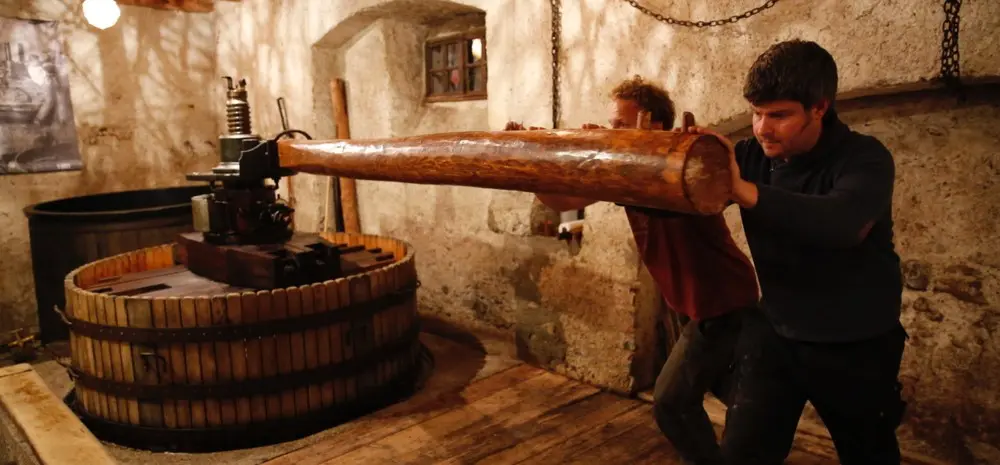
Our Wine Tour to Spiez: What Happens From the Moment We Pick You Up
Some tours are hard to describe because they depend on weather, or on who shows up, or on whether the guide is having a good day.
This one is consistent enough that I can walk you through it, step by step. Our article covers the bigger picture: the cooperative's history, the grapes, why this hillside has grown vines since 994 AD. This is the version for people who want the timing. What happens at 15h50, what happens at 16h15, when you get back to your hotel.
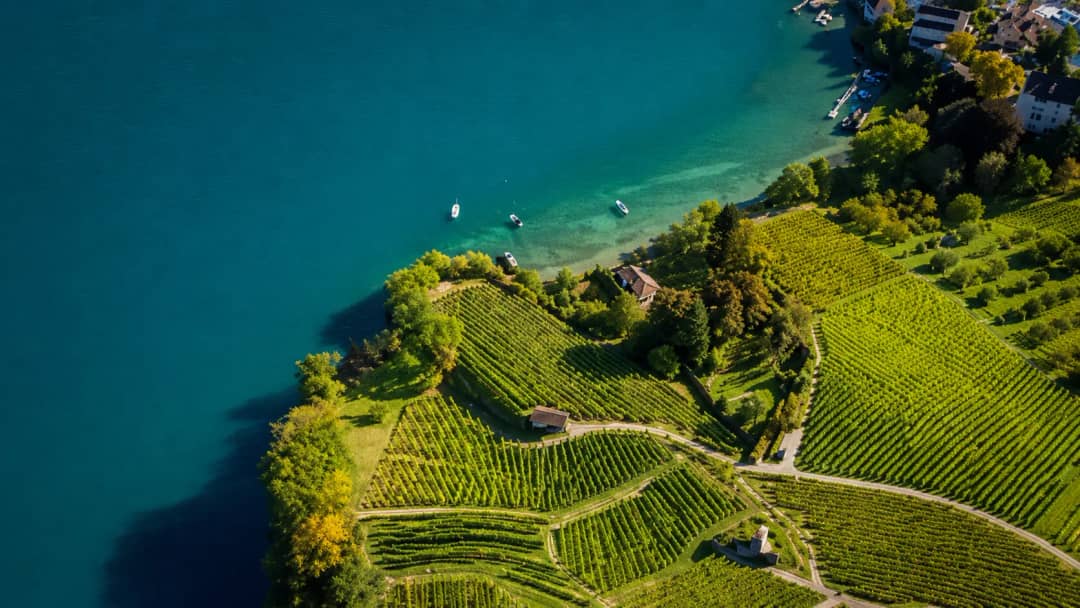
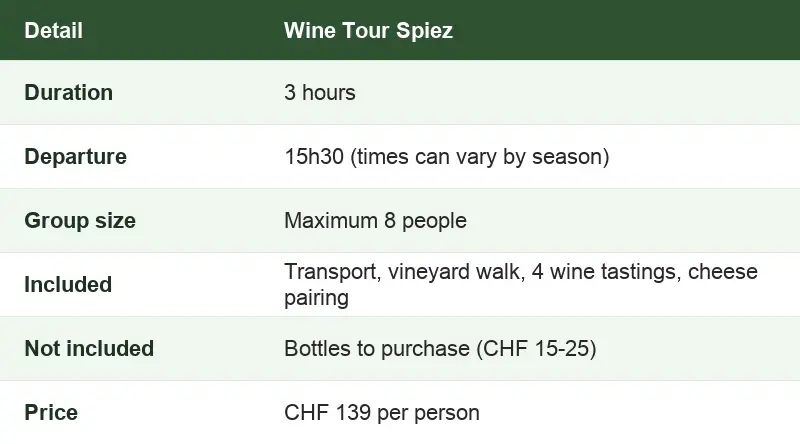
15h30: Pickup from Interlaken
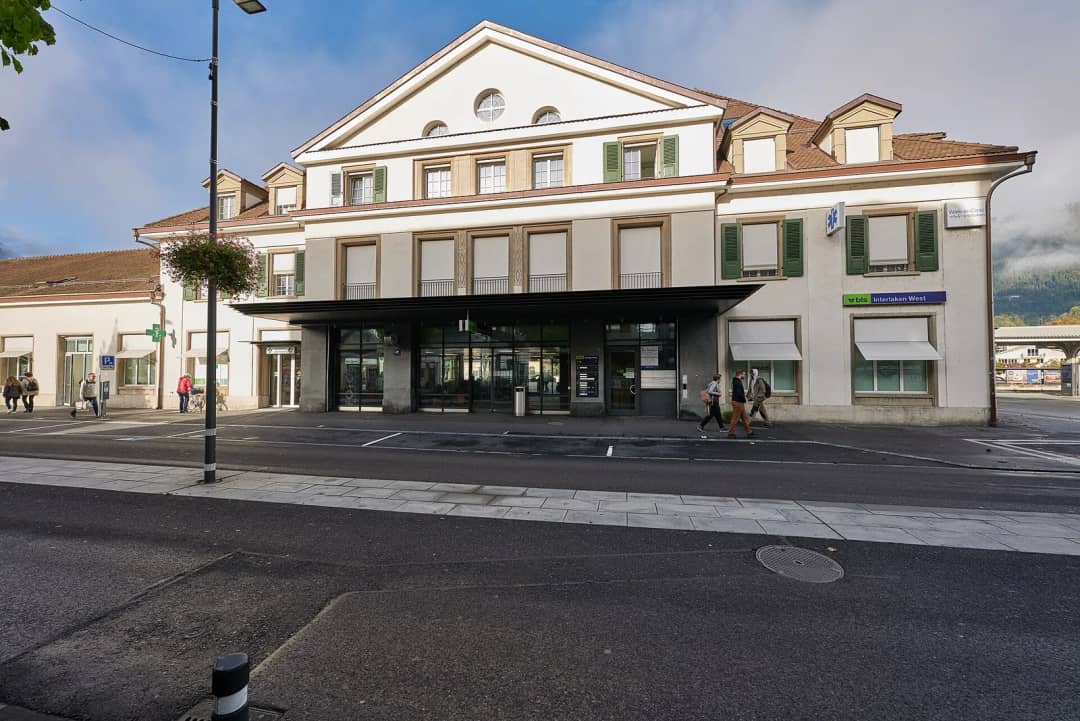
We pick you up at your hotel or at a central meeting point in Interlaken. If you're at the Adventure Hostel or anywhere on Hauptstrasse, we come to you. Tell us your location when you book your Spiez wine tour.
The drive to Spiez takes about 20 minutes along the south shore of Lake Thun, through Därligen, Leissigen, Krattigen and Faulensee, following the water almost the entire way. If you've never been on this road, the view through the window is a good preview of what's coming.
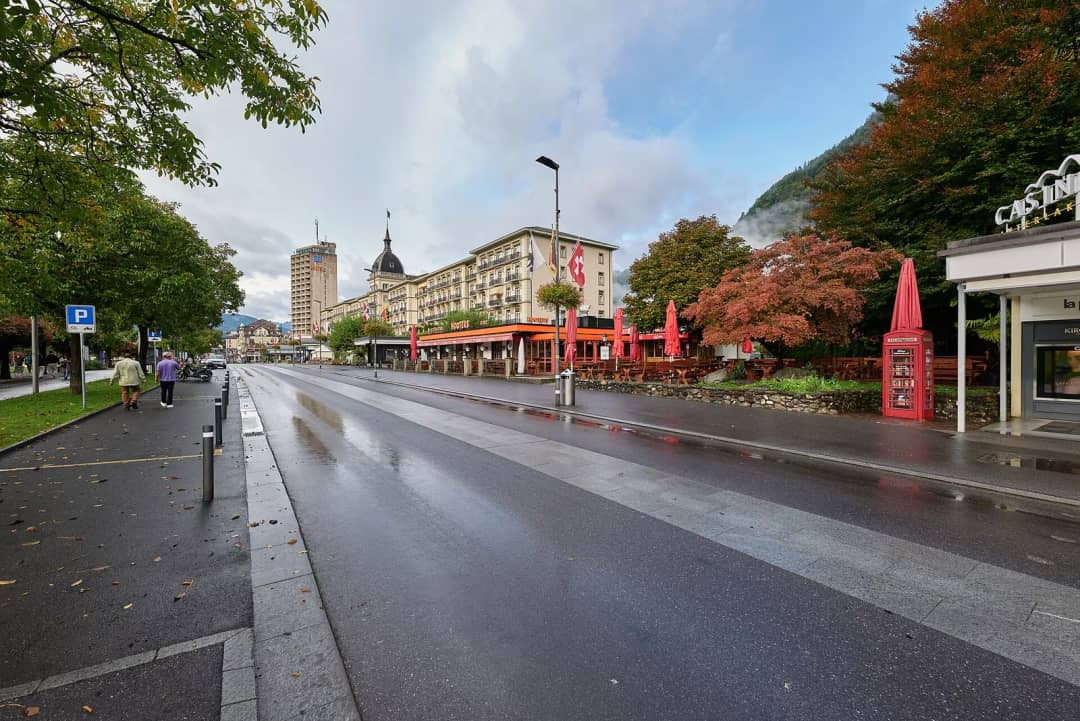
15h50: Arrival in Spiez
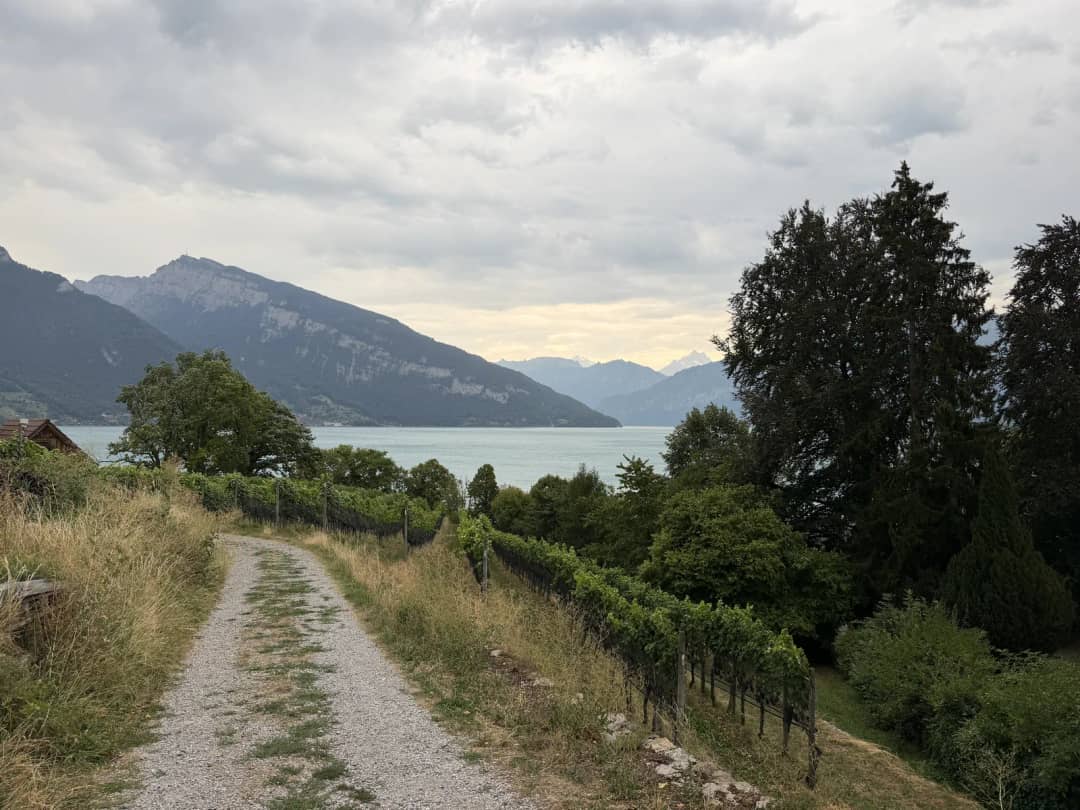
We park at the base of the vineyard. The cooperative's property, Rebbau Spiez Genossenschaft, which has farmed this hillside for over a century, extends up the slope above the town in terraced rows.
First stop: the view. Before we talk about wine at all, we stand above the lake and look at where we are.
Olivia asked a winemaker: "Why did anyone plant vines this far north?"
"Because the slope faces south, right above the lake. The water throws light and warmth back onto the grapes, and they ripen."
Olivia Lufman, your travel writer at Swiss Local Adventures
Lake Thun is 18 kilometres long and 217 metres deep. Spiez castle sits on the promontory to the left. On a clear day, the Niesen is directly behind you and the Jungfrau appears through the valley to the south. The slope you're standing on has had vines on it since at least 994 AD.
Someone planted grapes here a thousand years ago and was right to do it. You'll see why immediately.
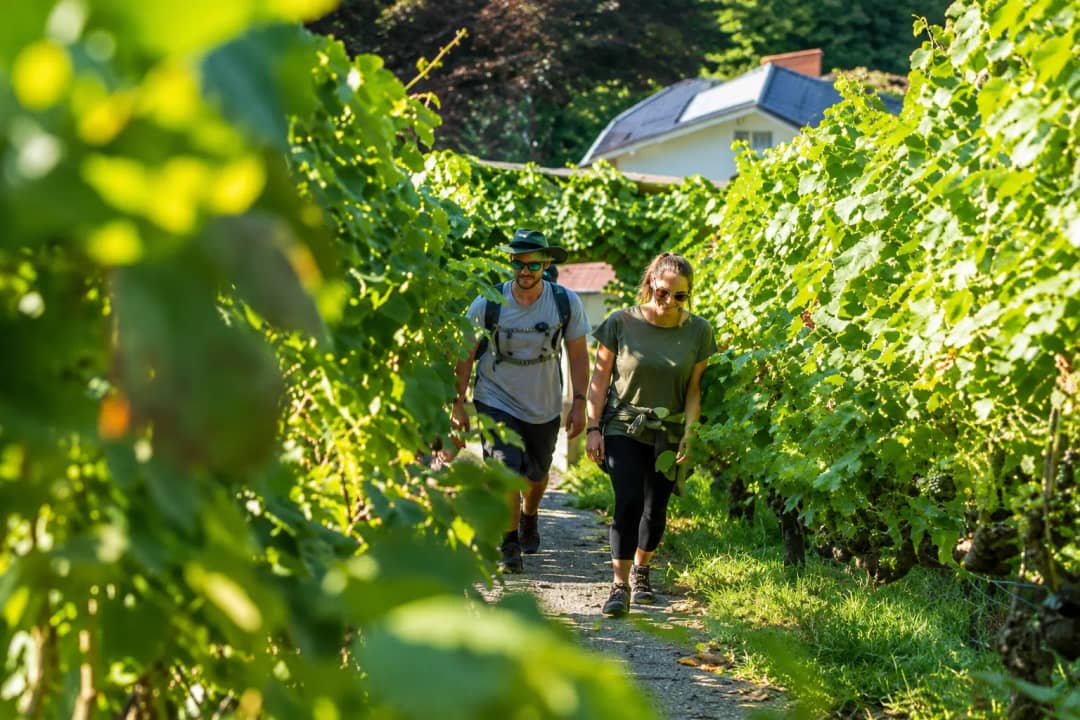
15h50-16h15: The vineyard walk
A 25-minute walk through the vines. What's growing, how the rows are trained, why the south-facing orientation above the lake creates conditions that make viticulture possible this far north.
The two main varieties: Pinot Noir and Riesling-Sylvaner, also called Müller-Thurgau. Both suited to cooler alpine climates, both producing wines that are lighter and more aromatic than what you'd find in warmer regions such as Lavaux or Valais. If you want the fuller picture of how Spiez stacks up against those regions, we cover it in .
Olivia says: "I watched our guide stop one group halfway up the second row last September, right where the vines thin out and the lake opens up below."
Olivia Lufman, your travel writer at Swiss Local Adventures
Our guide walks with you the whole way and takes the questions as they come. There's no script here. If you ask something specific about the soil or the harvest, you get a specific answer.
I watched our guide stop one group halfway up the second row last September, right where the vines thin out and the lake opens up below. A guest asked how anyone irrigates a slope this steep. Nobody does. The guide pointed at the exposed soil to prove it: the roots go deep enough to find their own water.
The question that comes up most often: "Why have I never heard of Swiss wine?"
The answer takes about ten minutes and is worth hearing.
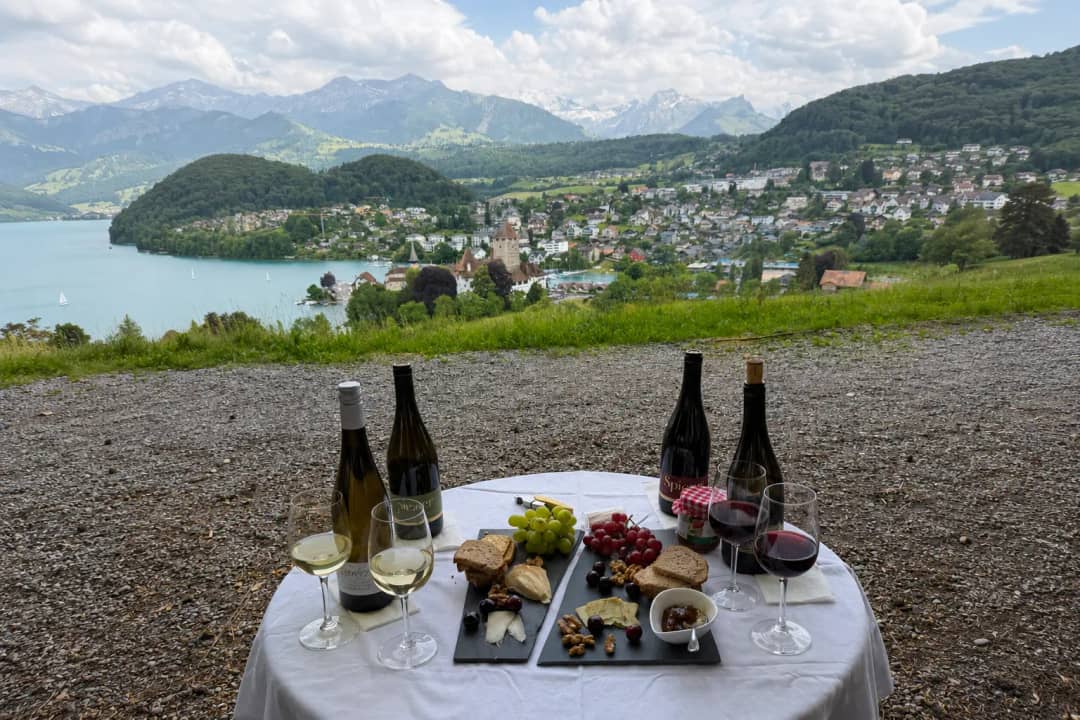
16h15-17h45: The tasting
Four wines. Two whites, two reds, poured one at a time so you can compare them side by side.
We sit at the tables at the top of the domaine, open air with the lake in front of you, or under cover if it's raining. The view from the tasting tables is the same either way.
Fun fact: Lake Thun, right in front of the tasting tables, is 217 metres deep.
Each wine gets a short explanation: the vintage year, the grape, the characteristics, how it compares to more famous versions of the same variety made elsewhere.
Local cheese from the region pairs with each wine. Semi-hard, cut on the board. No crackers or elaborate accompaniments. Just what goes with these specific bottles.
If someone in your group does not drink, the tasting is only one part of the afternoon. We explain what the walk, the view and the cheese give to guests who skip the wine, and what they can have in the glass instead.
We take our time here. An hour and a half, four wines, nobody rushing between pours.
Spiez is not the only place to taste near Interlaken. We compared six real wine tasting options in the area, with prices, opening days and how to get there, so you can see how this afternoon fits among them.
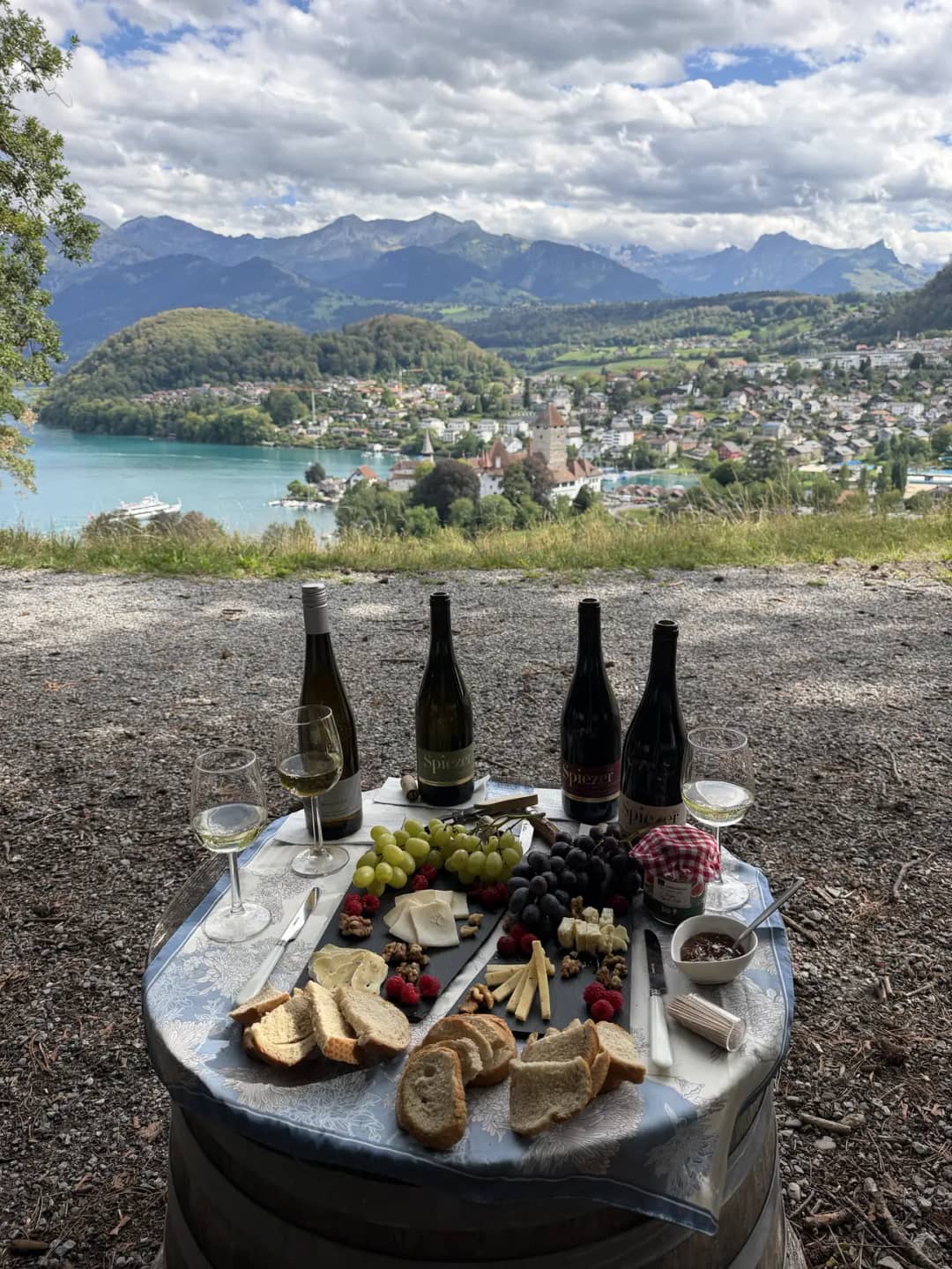
17h45-18h10: Open time
This is the part people don't expect: leftover time with nothing scheduled. Questions, another look at the view, or simply sitting with your glass while the light changes over the lake.
Ask anything. The cooperative, the wine, the history of the region, how the vintage affects what you're tasting.
If you want to take a bottle home, this is when. Prices run CHF 25-35 depending on the wine, the same local bottles you just tasted. You can pick one up at the cooperative's shop or straight from your guide.
Insider tip: Buying bottles? Taking them on a Swiss train is easy. For a flight, pack them in checked luggage back at your hotel.
Most people buy something. A few buy several bottles. The Riesling-Sylvaner travels well.
Most people buy something. A few buy several bottles. The Riesling-Sylvaner travels well.
No one has ever felt rushed out of this part of the afternoon. That's deliberate. It's the stretch of the tour with no fixed agenda.
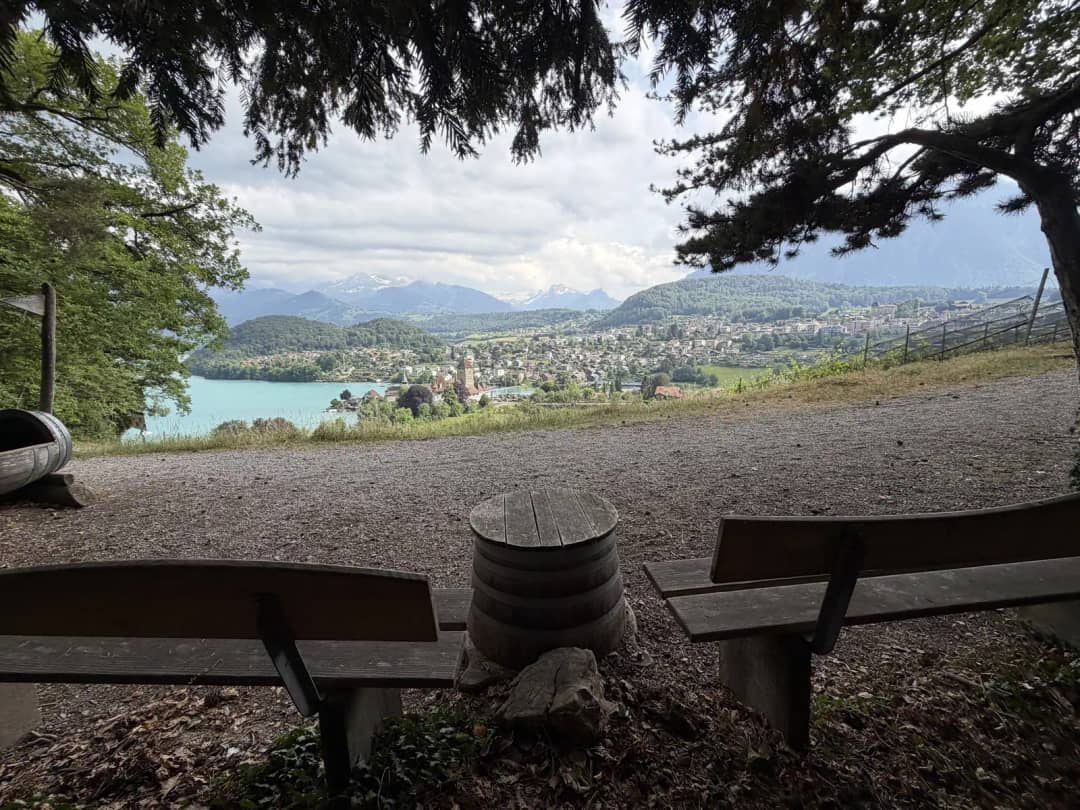
18h10: Return to Interlaken
Back in the van. The drive back follows the same road along the south shore, another 20 minutes, and puts you back at your hotel or a central point by around 18h30.
Olivia says: "Book dinner for after 18h30 and ask for a Riesling-Sylvaner. After an afternoon on that slope, you will know what to look for in the glass."
Olivia Lufman, your travel writer at Swiss Local Adventures
Home before dinner. Dinner with wine you now know something about.
If you are still deciding whether the afternoon justifies the price, we went through the costs line by line in our honest look at the CHF 139, with what you get and what you could do on your own instead.
Practical details
Your Questions About the Wine Tour to Spiez
Can I book the wine tour as a private group?
Yes. Private groups have exclusive use of the tour, same route, same vineyard, customised timing. Contact us for pricing. We can adapt the schedule for groups arriving by train or on specific time constraints.
What if I want to buy several bottles, can I take them on the train?
Yes. Bottles from Rebbau Spiez come with a bag. Taking them on the Swiss train is easy. For flights, pack them in checked luggage back at your hotel, before you head to the airport, not before the tour.
Is the tour the same in spring and autumn?
The vineyard looks different by season. Summer gives you green vines and warmer afternoons. Late September to October shows the harvest, which is worth seeing. We don't run tours outside the grape-growing season (November-March), but shoulder season is excellent.
What should I expect if I know nothing about wine?
Most guests arrive knowing very little and that's fine. The tasting is built for that. Each wine gets explained in plain terms: what it is, why it tastes the way it does, and what to compare it to. Nobody is tested on it.
Book your spot on the Wine Tour to Spiez
How we made this: facts and prices checked at the official sources on 8 October 2026, written with AI assistance.
*Written by Olivia Lufman, your travel writer at Swiss Local Adventures
Source:
on-site visit to the vineyard above Spiez, 2026.
Tags
#wine-tour-interlaken#spiez-wine-tour#wine-tasting-switzerland#interlaken-afternoon-activities#rebbau-spiez
Sources & References
Share this article
Similar Articles
Continue your reading with these related articles
Farm, Wine & Fondue
10/3/2026
12 min
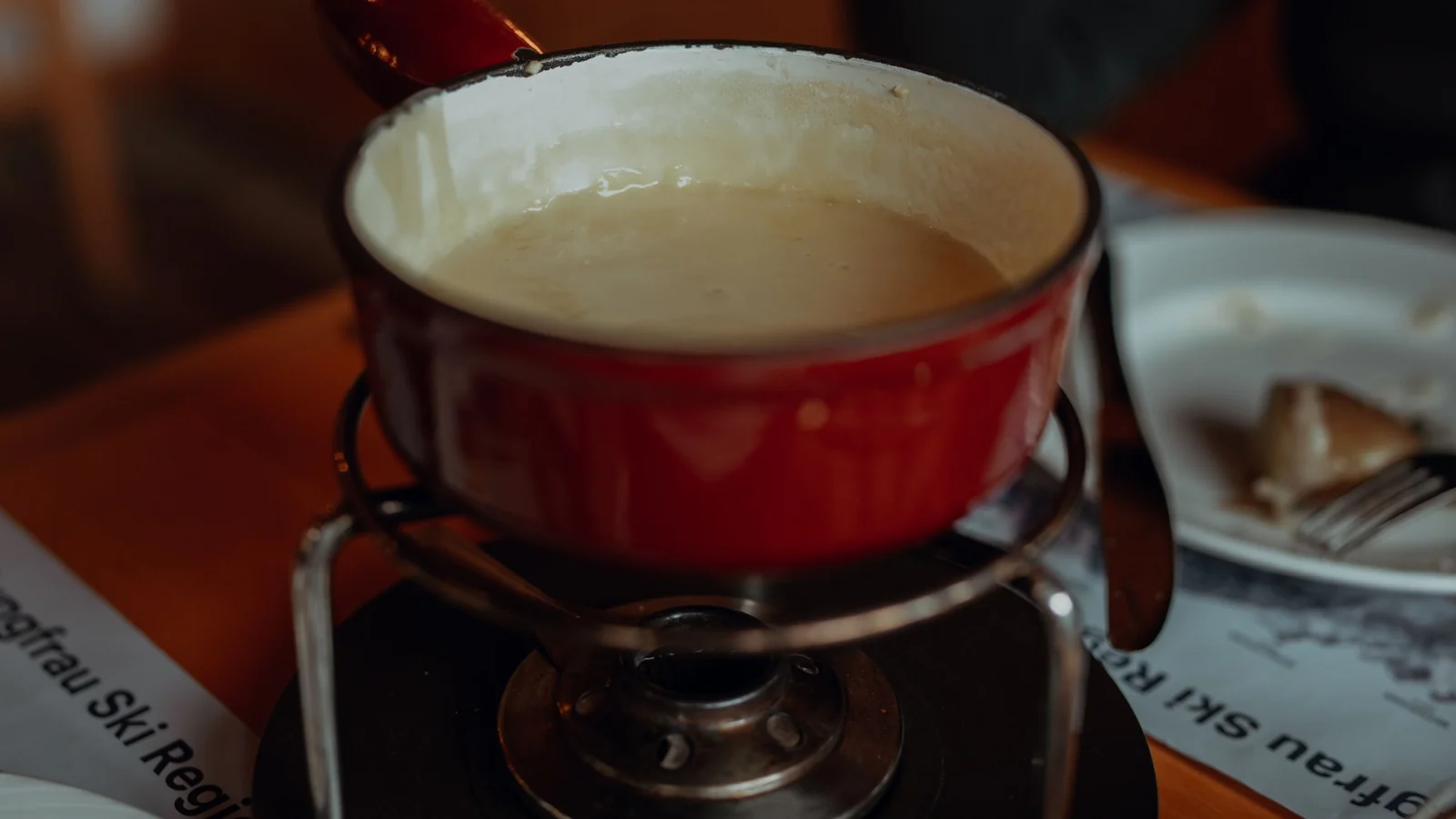
Best Fondue in Interlaken: Where a Local Guide Eats
Best fondue in Interlaken: a local guide's pick is the Taverne at CHF 30 per person. Where our groups eat, what to order, how to skip the traps.
best-fondue-interlakencheese-fondue-interlakenwhere-to-eat-interlaken
By Pierre VetschRead More
Farm, Wine & Fondue
8/20/2026
7 min
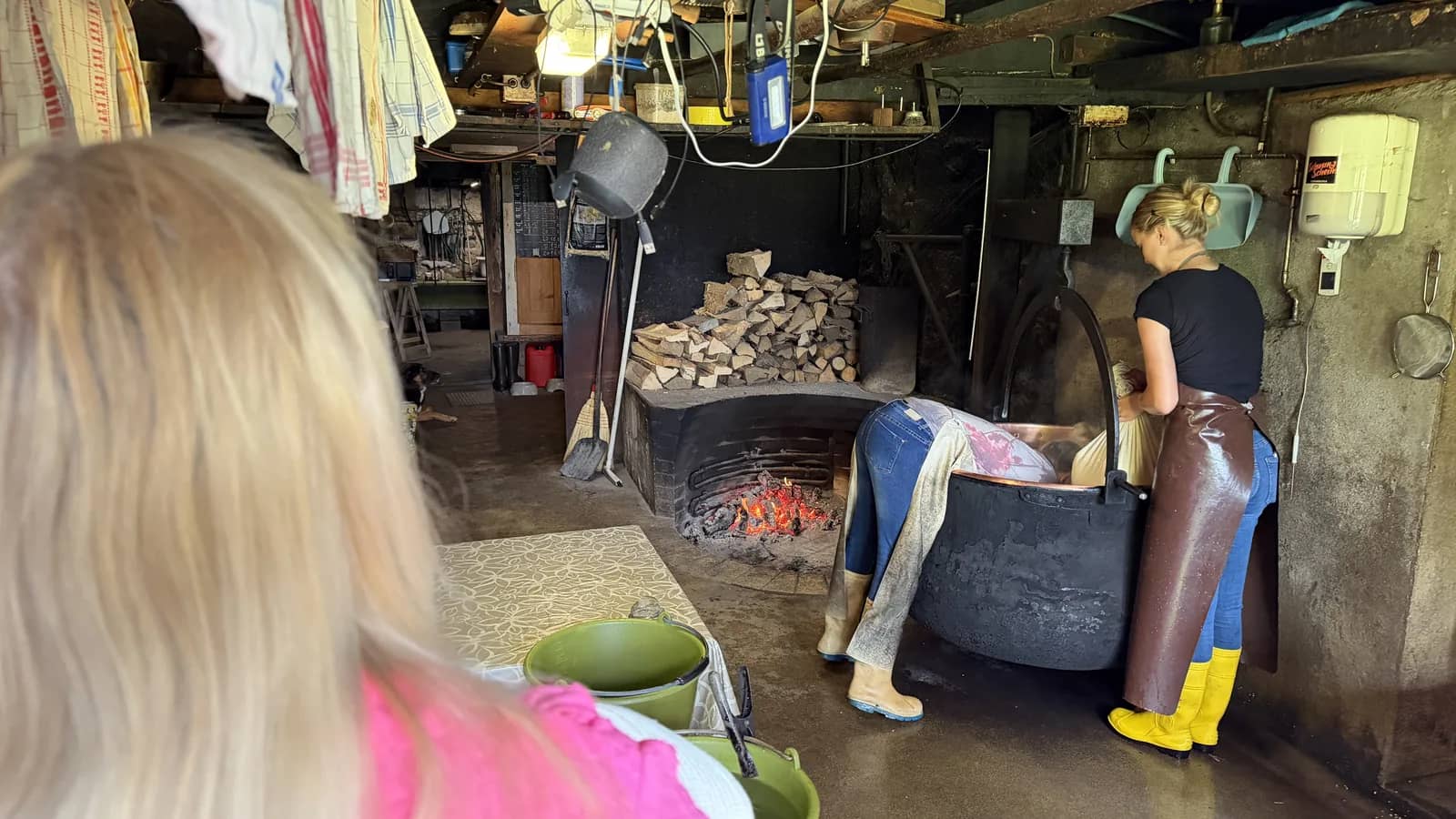
Swiss Food Experiences: A Local's Guide
Swiss food experiences beyond fondue: alpine cheese made over a wood fire only 14 weeks a year, and the farms where you can watch it being made.
swiss-food-experiencesalpine-cheeseswiss-dairy-farm
By Pierre VetschRead More
Farm, Wine & Fondue
8/19/2026
5 min
Is the Spiez Wine Tour Worth CHF 139?
CHF 139 buys 3 hours: Interlaken pickup, four wines, three cheeses, 8 guests max. See if the Spiez wine tour is worth it next to every Swiss option.
wine-tour-interlakenwine-tasting-cost-switzerlandswiss-wine
By Olivia LufmanRead More