Gleitschirmfliegen
Gleitschirmfliegen Interlaken: Preise und Ablauf
P
Pierre Vetsch
Autor
9. Mai 2026
8 Min
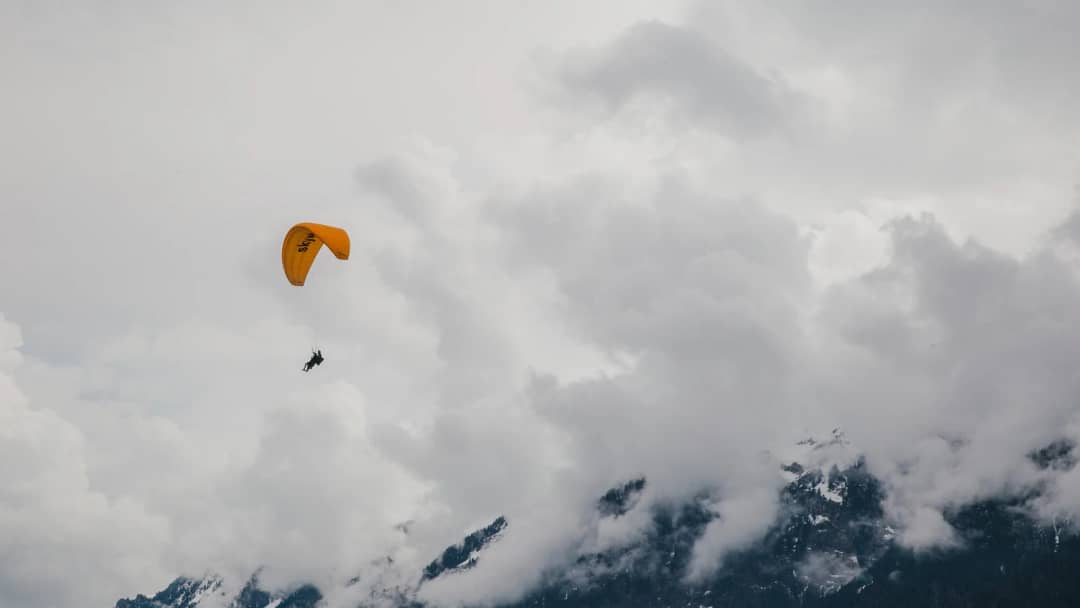
Tandem-Gleitschirmfliegen in Interlaken: über den Schweizer Alpen
Sie stehen an der Kante. Hinter Ihnen liegt ein Schirm in der Farbe des Sommerhimmels ausgebreitet im Alpengras und atmet leise im Wind. Vor Ihnen fällt die Welt weg. Das Berner Oberland breitet sich aus wie eine aufgefaltete Karte: das Türkis des Thunersees auf der einen Seite, das tiefere Blau des Brienzersees auf der anderen, und dazwischen die Dächer von Interlaken im Nachmittagslicht.
Ihr Pilot ruft Ihren Namen. Er ist ruhig, wie nur Leute ruhig sein können, die etwas tausendmal gemacht haben. Er zählt herunter: drei, zwei, eins. Sie laufen. Drei Schritte. Vielleicht vier. Das Gras ist weg. Die Luft nimmt Sie auf.
Das ist die erste Sekunde beim Gleitschirmfliegen in Interlaken. Danach gehört der Himmel Ihnen.
Für Reisende, die in diese Ecke der Schweiz kommen, ist Gleitschirmfliegen selten nur eine Aktivität. Es ist der Moment, in dem plötzlich klar wird, warum Sie überhaupt in die Alpen gekommen sind. Die Berge werden kleiner. Die Seen leuchtender. Die Zeit wird langsamer. Und für fünfzehn, zwanzig, manchmal dreissig Minuten fliegen Sie über einer der meistfotografierten Alpenlandschaften der Welt.
Wenn Sie die Seele des Gleitschirmfliegens in der Schweiz suchen, sie lebt in Interlaken.
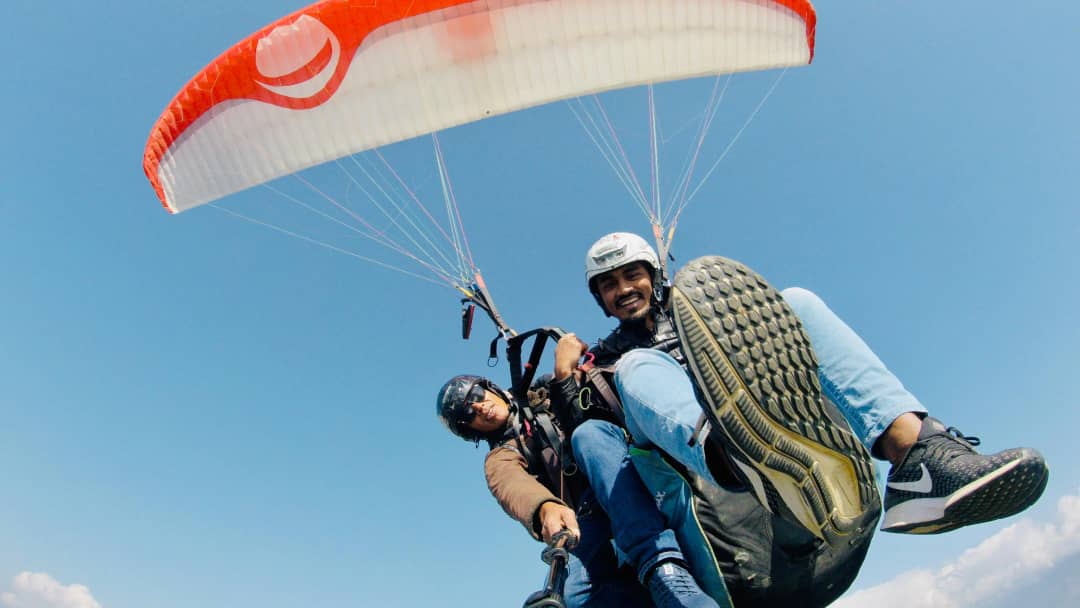
Warum Interlaken zur Gleitschirmhauptstadt der Schweiz wurde
Interlaken wurde nicht zufällig gewählt. Die Geografie schrieb die Geschichte, bevor die Piloten kamen.
Der Ort liegt in einer flachen Schwemmebene zwischen zwei grossen Seen, auf drei Seiten von steilen Bergflanken umgeben. Wenn die Morgensonne diese Flanken trifft, erwärmt sich die Luft und steigt auf. Bis Mittag drehen sich verlässliche Thermikschläuche an der Südseite des Niederhorns und an den Hängen über Beatenberg nach oben. Am späten Nachmittag zieht eine sanfte Seebrise die warme Luft wieder herunter. Für einen Gleitschirm ist das Choreografie. Sie starten in steigende Luft, Sie gleiten, Sie landen auf einer Wiese, umgeben von Schneegipfeln. Das Tal selbst ist die Bühne.
Dazu kommen zwei weitere seltene Voraussetzungen. Die erste ist die Höhematte, eine riesige zentrale Wiese mitten in Interlaken, auf die wir zurückkommen. Die zweite ist die Erreichbarkeit. Von den meisten Startplätzen dauert die Fahrt ab dem Ortszentrum weniger als fünfzehn Minuten. Der Sessellift zum Startberg braucht weitere sieben. Sie können weniger als eine Stunde nach dem Frühstück im Gurtzeug sitzen, bereit, über eine Kante zu laufen.
Wenige Alpenorte in Europa vereinen diese Geografie, diese Verlässlichkeit und diese Logistik. Deshalb hat sich das Gleitschirmfliegen in Interlaken von einem Randsport in den 1980er Jahren zu einer der meistgebuchten Sommeraktivitäten im ganzen Berner Oberland entwickelt.
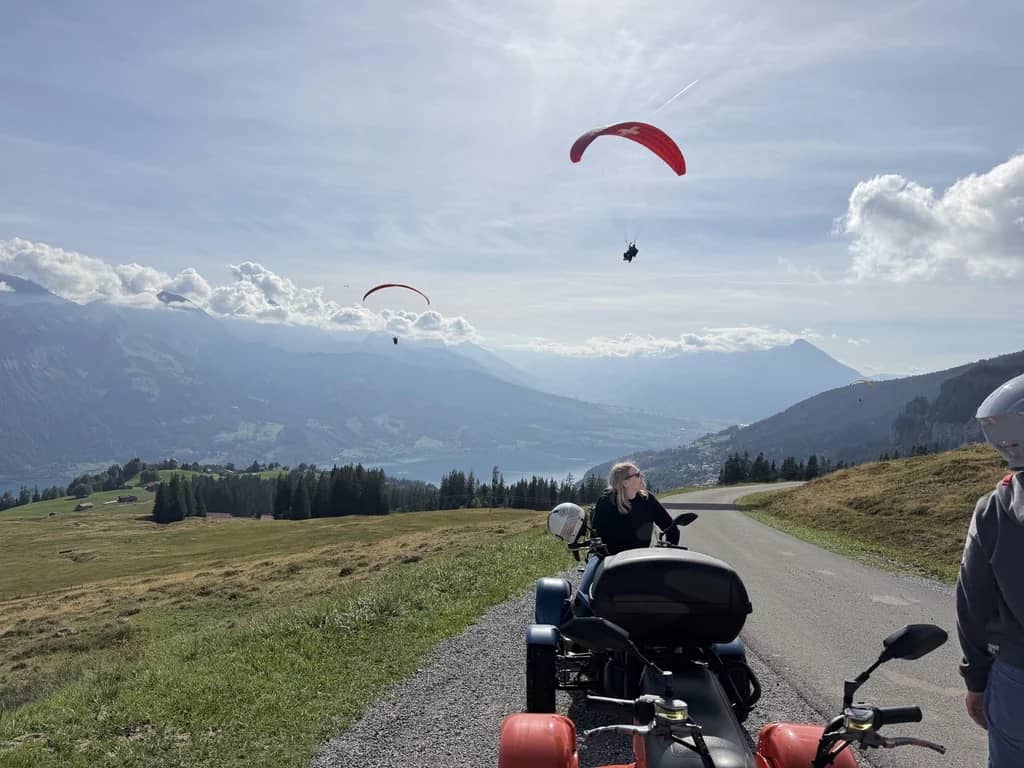
Die Piloten, die das Gleitschirmfliegen nach Interlaken brachten
Das moderne Gleitschirmfliegen ist jünger, als die meisten denken. Der erste echte Parapente-Flug fand 1978 in Mieussy statt, einem kleinen Dorf in den französischen Alpen, als eine Gruppe Kletterer beschloss, einen Berg mit einer rechteckigen Fallschirmkappe abzusteigen statt zu Fuss. Die Idee kam innert weniger Jahre in die Schweiz, und Interlaken fiel den ersten Piloten sofort auf: berechenbare Thermik, eine weiche Landezone und ein Ort, der an abenteuerlustige Gäste bereits gewöhnt war.
Unter den Anbietern, die die lokale Szene geprägt haben, nimmt Alpin Air einen besonderen Platz ein. Neben Paragliding Interlaken gehört Alpin Air zu den historischen Tandemanbietern über Interlaken. Ihre Piloten haben Zehntausende Flüge ab Beatenberg und Niederhorn im Logbuch, oft mit denselben Passagieren, die Jahr für Jahr wiederkommen.
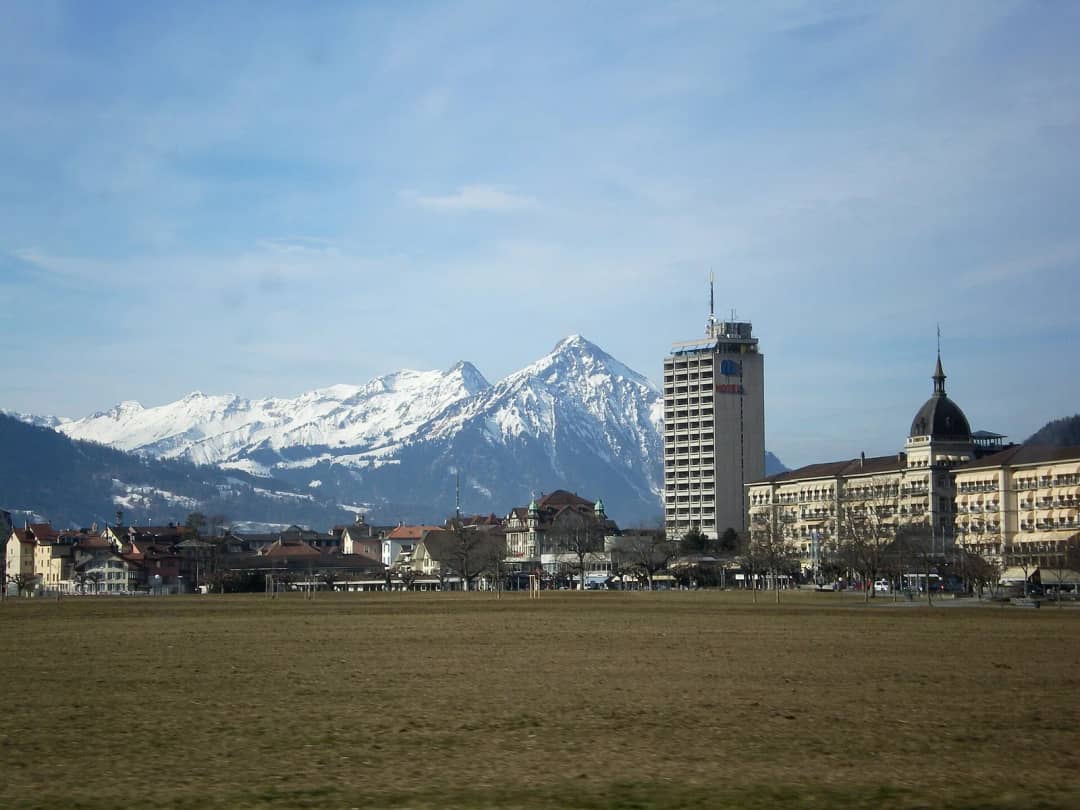
Höhematte: die Wiese, die sich weigerte zu verschwinden
Um das Gleitschirmfliegen in Interlaken zu verstehen, müssen Sie eine einzige, sture Wiese verstehen.
Die Höhematte ist ein 14 Hektar grosses Grünfeld mitten im Ortszentrum. Während jede andere Schweizer Stadt ihren Kern mit Hotels, Banken und Boutiquen zugebaut hat, hat Interlaken diese riesige offene Fläche behalten. Dafür gibt es einen Grund, und der Grund ist älter als das Gleitschirmfliegen selbst.
1864 kauften fast alle grossen Hoteliers von Interlaken, angeführt von Peter Ober, die Matte für 150'000 Franken vom Kanton Bern und verteilten sie auf siebenunddreissig Teilhaber. Zum Kauf gehörten drei Regeln: kein Bau, keine Zerstückelung, kein Baumfällen. Nachbarn, Gemeinde und Kanton erhielten alle das Recht, darüber zu wachen. Der Blick auf das Jungfraumassiv vom Ortszentrum aus blieb frei.
Mehr als 160 Jahre später gilt die Abmachung noch. Die Höhematte ist noch Gras. Die Jungfrau erhebt sich noch darüber. Und durch einen glücklichen Zufall der Geografie wurde daraus die bekannteste Landezone der Tandem-Gleitschirmwelt.
Fast jeder kommerzielle Gleitschirmflug in Interlaken endet hier. An einem sonnigen Nachmittag können Sie mit einem Getränk im Gras sitzen und alle zwei bis drei Minuten einen Tandem landen sehen. Die Piloten drehen den Schirm über dem Feld oft noch einmal ein oder ziehen einen kleinen Schwung, teils für die Passagiere, teils weil das Publikum gewartet hat. Kinder klatschen. Gäste filmen. Der Pilot packt den Schirm in drei Sekunden zusammen, nimmt das Gurtzeug entgegen und geht zum wartenden Bus, der ihn für den nächsten Flug wieder hochbringt.
Dass mitten in einem Kurort eine so grosse Wiese frei geblieben ist, hat einen Grund. Wenn Sie wissen möchten, warum hier nie gebaut wurde, erklärt der Artikel über die Höhematte als Wiese, was die Hoteliers von Interlaken 1864 entschieden haben und warum Piloten bis heute hier landen dürfen.
Es ist, ganz leise, eines der schönsten täglichen Rituale der Schweiz.
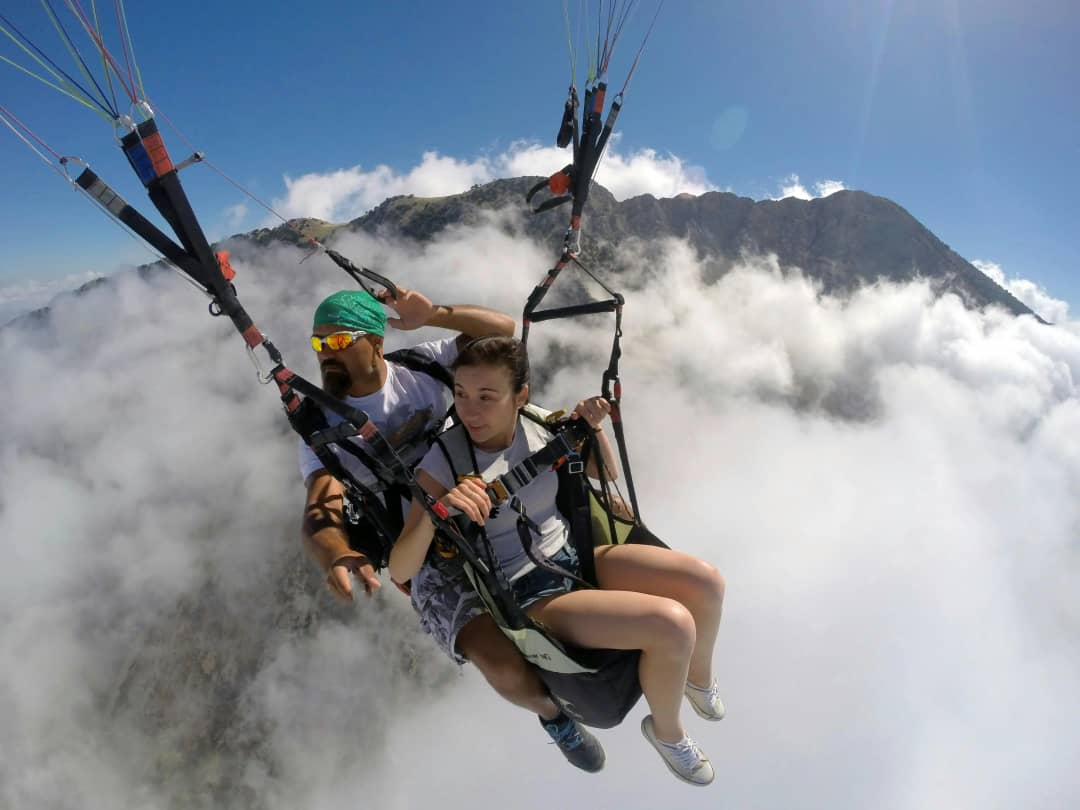
Wie es sich wirklich anfühlt, über dem Berner Oberland zu fliegen
Der Start ist der schwierigste Teil. Nicht technisch, denn die Technik macht Ihr Pilot, sondern im Kopf. Sie laufen einen Hang hinunter ins Leere. Ihr Körper weiss, dass das falsch ist. Ihr Gehirn hat ein Leben lang Reflexe gegen genau diese Bewegung aufgebaut.
Wenn Ihnen genau dieser Anlauf Sorgen macht, lohnt sich ein Blick auf das Deltafliegen: steifer Flügel, längerer Anlauf, liegende Position. Unser Vergleich Deltafliegen oder Gleitschirm in Interlaken beschreibt beide Starts, das Fluggefühl und den Preisunterschied von CHF 61 bis 80, damit Sie das wählen können, was zu Ihren Nerven passt.
"Die meisten Erstflieger denken, der Start sei der schwerste Moment. Er ist es nie. Es sind die 60 Sekunden davor", sagt Marc, Gründer von Alpin Air, der Tausende Flüge ab Beatenberg gemacht hat.
Dann verlassen Ihre Füsse den Boden und der Widerstand verschwindet. Sie sitzen in einem Stuhl im Himmel. Das Gurtzeug trägt Sie. Der Schirm ist irgendwo über Ihrem Kopf und nimmt den Wind für Sie. Der Pilot sitzt hinter Ihnen und erzählt leise: Schauen Sie nach links, das ist der Eiger. Die dunkle Wand. Der Mönch ist der in der Mitte. Die Jungfrau ist die höchste, die Königin.
Zuerst riechen Sie Föhren. Dann die seltsame, mineralische Kälte der Höhenluft. Wenn die Kühe draussen sind, erreichen Sie ihre Glocken in langen, unregelmässigen Wellen von den Hängen unter Ihnen, manchmal aus einem halben Kilometer Entfernung, und trotzdem klar. Sie hören ein Geräusch, mit dem Sie nicht gerechnet haben: Stille. Echte Stille. Die Art, die es nur gibt, wenn keine Strassen, keine Motoren und keine anderen Menschen in der Nähe sind.
Die Aussicht wechselt von Minute zu Minute. Während Sie in der Thermik hochkreisen, wird der Thunersee vom Luftbild zu etwas Lebendigem, Schiffe ziehen dünne weisse Spuren, die Rebterrassen über Spiez fangen die letzte Sonne. Wenn Sie nach Süden drehen, füllt die Eiger-Nordwand Ihr Sichtfeld am Rand, die berühmteste Nordwand der Bergsteigergeschichte, dunkel und ernst selbst im Sommer.
Etwa in der Mitte des Flugs bietet Ihr Pilot vielleicht eine Figur an. Einen Wingover, eine Spirale, einen kurzen Sturzflug, der Ihnen den Magen in den Hals hebt. Die meisten sagen einmal ja und bitten danach, es nicht zu wiederholen. Ein paar fragen nach zwei weiteren. Beides ist völlig in Ordnung.
Der Abstieg Richtung Höhematte dauert länger, als Sie denken. Der Pilot nutzt den Landeanflug, um den Ort noch einmal zu umrunden und in weichen S-Bögen Höhe abzubauen. Das Gras kommt näher. Sie hören: Beine hoch. Sie gleiten herein, rutschen zwei Meter, Sie stehen.
Dann merken Ihre Beine wieder, dass sie Beine sind. Sie lachen. Sie lachen immer.
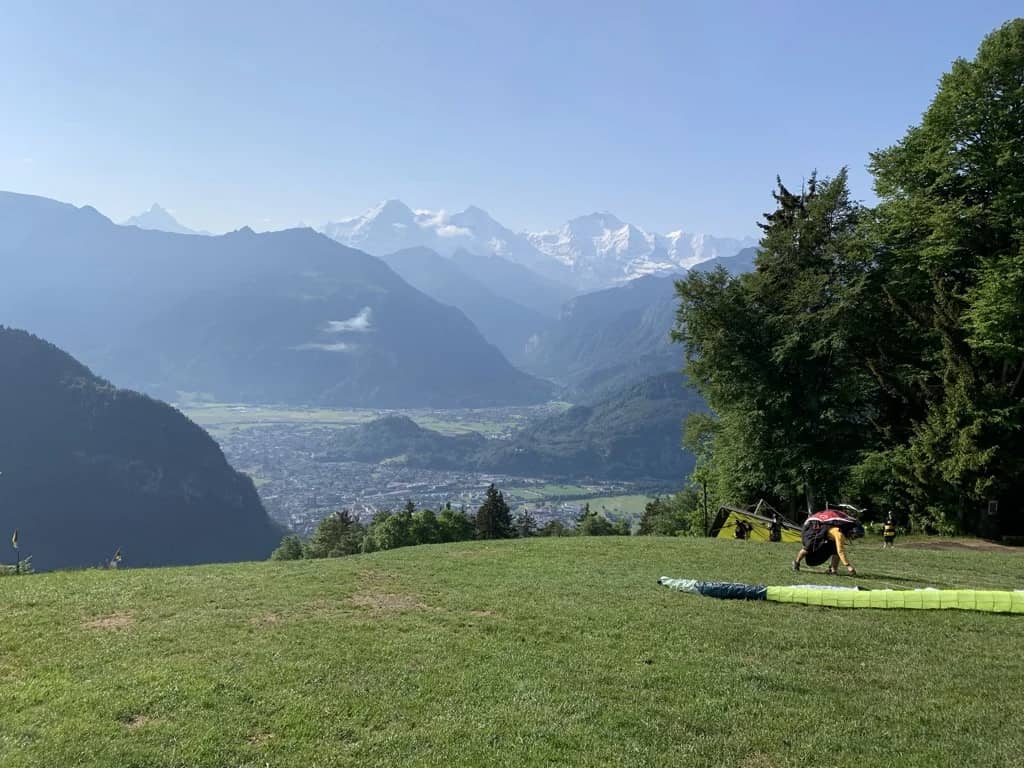
Wo die Piloten starten: Beatenberg, Niederhorn und die versteckten Plätze
Die meisten kommerziellen Flüge in Interlaken starten an einem von drei Plätzen, jeder mit eigenem Charakter und eigener Aussicht.
Beatenberg-Amisbühl liegt auf rund 1300 Metern über Meer, fünfzehn Minuten mit dem Bus ab Interlaken und eine kurze Sesselliftfahrt vom Startplatz entfernt. Er bietet verlässliche Bedingungen, Panoramablick über beide Seen und ist der Arbeitsplatz der Interlakener Gleitschirmbranche. Die meisten Erstflieger starten hier. Die Flugzeit beträgt zehn bis zwanzig Minuten.
Niederhorn liegt höher, fast 1950 Meter, und wird über eine längere Bahn ab dem Dorf Beatenberg erreicht. Flüge ab Niederhorn dauern länger (oft dreissig Minuten oder mehr), die Aussicht ist weiter und der Start spektakulärer. Hierhin bringen Piloten Fotografen, Wiederholungsgäste und alle, die ausdrücklich den langen Flug wollten.
Männlichen und First im Tal von Grindelwald werden von manchen Anbietern genutzt, wenn sie Passagieren den Eiger näherbringen wollen. Diese Flüge haben einen anderen Charakter: alpiner, vertikaler, weniger See. Gebucht werden sie eher von erfahrenen Fliegern oder von Gästen, die genau diese Hochgebirgsperspektive wollen.
Ein paar kleinere, weniger bekannte Plätze wie das Brienzer Rothorn werden nur von fortgeschrittenen Piloten geflogen und gehören nicht zum Standard-Tandembetrieb. Sie leben vor allem in Gesprächen zwischen einheimischen Piloten beim Feierabendbier.
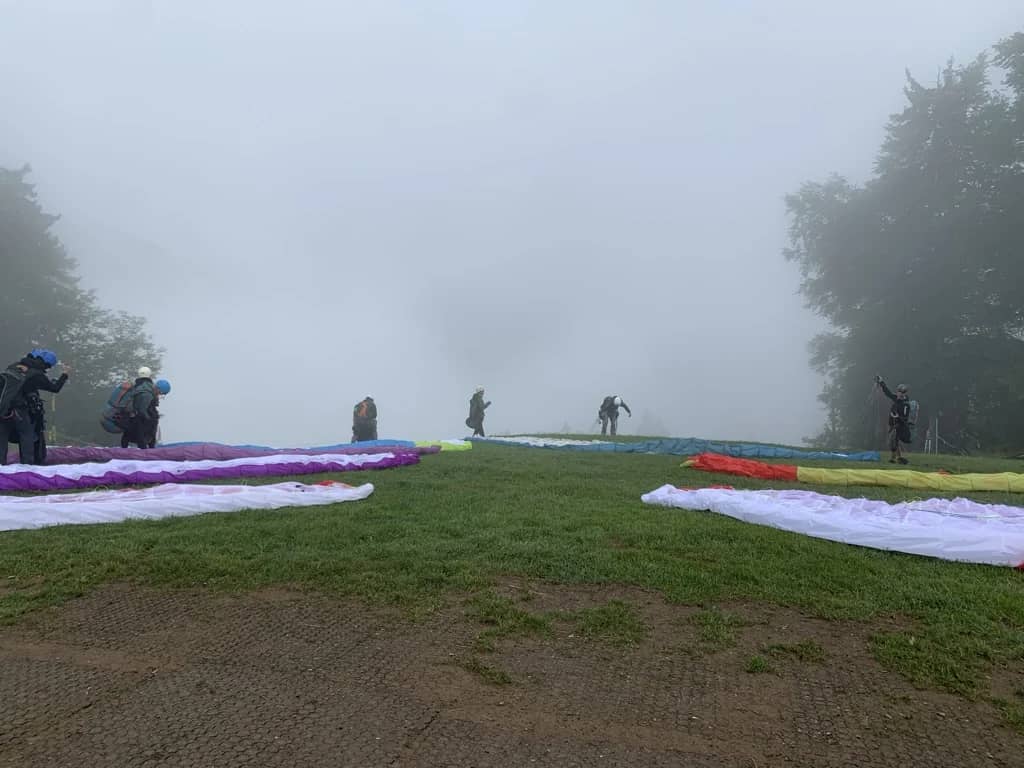
Die beste Jahreszeit zum Gleitschirmfliegen in Interlaken
Die kommerzielle Gleitschirmsaison in Interlaken dauert etwa von Ende April bis Ende Oktober. Innerhalb dieses Fensters verändert sich das Erlebnis von Monat zu Monat.
In denselben Monaten ist auch der Ort selbst am lebendigsten. Was Sie zwischen zwei Flügen am Boden unternehmen können, lesen Sie in unserem Beitrag darüber, wie Einheimische den Sommer in Interlaken verbringen, von den Badestellen am Brienzersee bis zu den Abendwegen, die nach den Tagesgästen leer bleiben.
Mai und Juni bieten frisch grüne Hänge, noch Schnee auf den hohen Gipfeln und ruhigere Startplätze. Die Morgen sind ruhig und die Nachmittage können grossartig sein.
Juli und August sind Hochsaison. Das Wetter ist am verlässlichsten, aber die Startplätze können voll sein und Sie teilen sich den Himmel mit zwanzig anderen Tandems. Das Licht steht hoch und ist hart. Die Kühe sind auf den Alpen, Sie hören also die Glocken.
September und Oktober sind nach Meinung vieler einheimischer Piloten die schönste Zeit zum Fliegen. Das Licht ist golden. Die Menge ist weg. Auf der Jungfrau liegt der erste Schnee. Die Reben über Spiez färben sich rot und golden. Die Sicht ist am klarsten, und an einem klaren Tag sehen Sie bis ins Berner Mittelland und manchmal bis zum Schwarzwald in Deutschland.
Jeder Flug hängt vom Wetter ab. Wind über 25 km/h, tiefe Wolken oder Gewittergefahr legen den Betrieb still. Die meisten Anbieter entscheiden am Morgen des Flugtags und buchen bei Wetterwechsel schnell um.
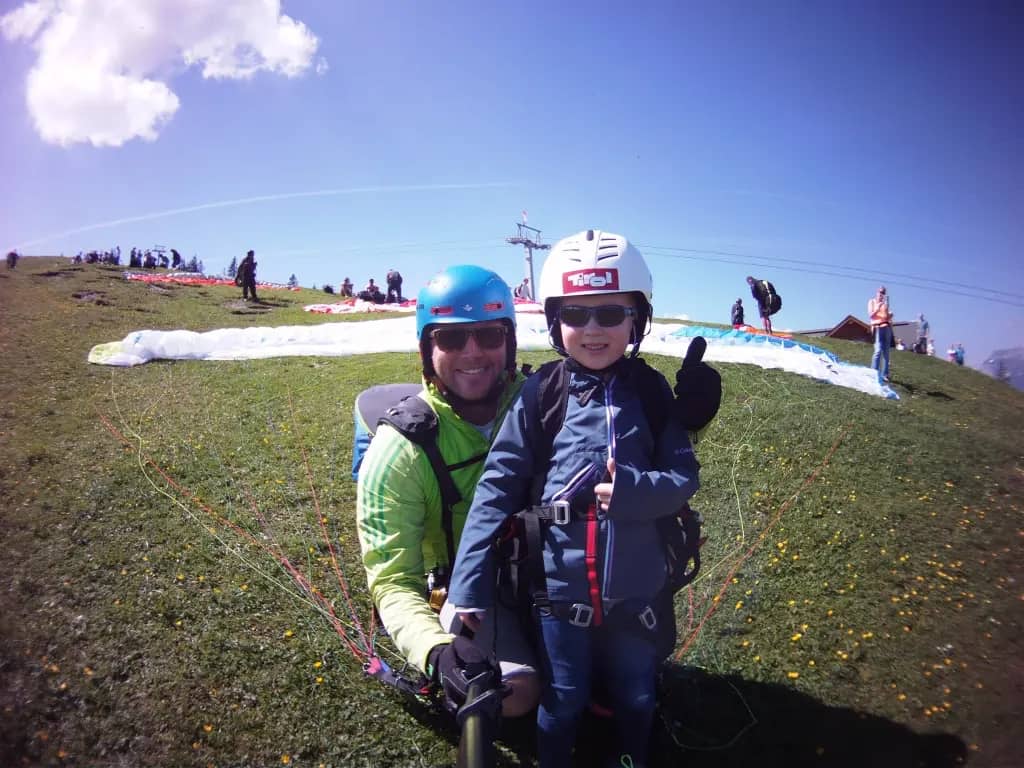
Was Sie beim ersten Tandemflug erwartet
Sie kommen zum Treffpunkt, meist im Zentrum von Interlaken oder bei der Höhematte. Ein Bus holt die Gruppe des Tages ab, acht bis zwölf Passagiere mit ihren Piloten, und fährt zum Startplatz hoch. Es gibt ein kurzes Briefing. Ihr Pilot erklärt, wie Sie laufen, wohin die Hände gehören und was bei der Landung zu tun ist. Das Gurtzeug ist in weniger als zwei Minuten angepasst.
Die häufigste Frage, die ich am Startplatz höre, ist immer dieselbe: "Muss ich springen?" Nein. Sie laufen drei Schritte und der Schirm macht den Rest. Jede einzelne Person, die mir diese Frage gestellt hat, ist lachend gelandet.
Sie landen auf der Höhematte, dem Park im Zentrum von Interlaken. Leute, die im Gras zu Mittag essen, schauen hoch. Manche klatschen. Es ist einer der seltsameren und schöneren Momente des ganzen Erlebnisses.
Ein Standardflug dauert zwischen zehn und zwanzig Minuten, je nach Startplatz, Thermik und Höhenunterschied. Sie können Fotos und ein Video verlangen, die der Pilot mit einer kleinen Kamera am Arm oder an einem Selfiestick aufnimmt.
Nach der Landung auf der Höhematte gehen Sie zurück zum Treffpunkt, geben das Gurtzeug ab und erhalten Ihre Fotos und Ihr Video. Das ganze Erlebnis, von der Abholung bis zur Rückkehr, dauert bei Alpin Air rund 75 Minuten, bei Paragliding Interlaken 1 bis 1,5 Stunden.
Sie müssen nicht fit sein. Sie müssen nichts übers Fliegen wissen. Sie brauchen keine Ausrüstung ausser geschlossenen Schuhen und einer Schicht, die wärmer ist, als Sie denken. Kinder können bei Alpin Air ab 5 Jahren mitfliegen, bei Paragliding Interlaken ab 6 Jahren. Ältere Gäste fliegen oft. Paare in den Flitterwochen noch öfter.
💡 Insidertipp von Pierre: Wenn Sie wählen können, buchen Sie an einem klaren Septembertag den Flug am späten Nachmittag. Das Licht wird gegen 5 Uhr nachmittags golden, die Thermik ist weich, und die Piloten haben mehr Zeit, den Flug zu verlängern. Ich habe drei oder vier Mal erlebt, wie Leute unter Tränen gelandet sind, im guten Sinn. Nehmen Sie für nach der Landung eine warme Schicht mit, auch wenn es im Ort warm ist. Die Höhenluft ist kälter, als Sie erwarten.
Was kostet ein Tandemflug in Interlaken?
Tandem-Gleitschirmfliegen in Interlaken kostet bei Alpin Air und Paragliding Interlaken CHF 180 bis 199 pro Person (Preise geprüft am 7. Oktober 2026); wir verkaufen den Flug von Alpin Air ab Beatenberg für CHF 190. Bei einem Standardflug sind Sie 10 bis 20 Minuten in der Luft. Vom Frühling bis zum Spätsommer bietet Paragliding Interlaken mit Double Airtime auch einen längeren Thermikflug an: 30 bis 40 Minuten in der Luft. Foto- und Videopakete kosten CHF 40 mehr.
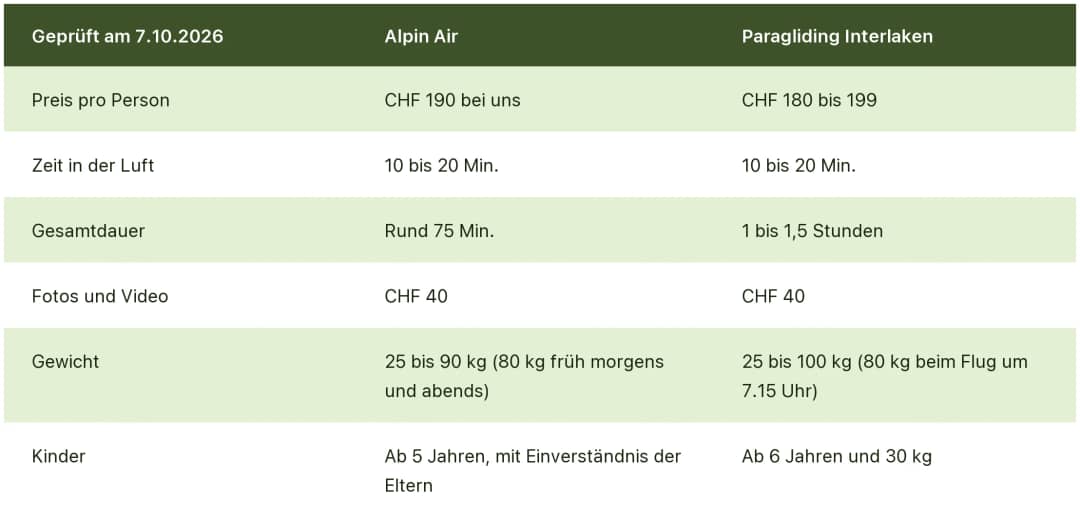
Die Preise unterscheiden sich je nach Anbieter und Saison. Bestätigen Sie sie bei der Buchung immer direkt.
Kurzer oder langer Flug: was soll ich buchen?
Buchen Sie den Standardflug, wenn: es Ihr erstes Mal ist, Ihr Zeitplan eng ist, oder Sie für Kinder oder jemanden buchen, der nervös ist. Zehn bis zwanzig Minuten in der Luft reichen mehr als aus, um Ihren Blick auf das Tal zu verändern.
Buchen Sie einen längeren Flug wie Double Airtime, wenn: Sie Flugerfahrung haben, das weitest mögliche Panorama wollen, oder fotografieren und Zeit zum Auslösen brauchen.
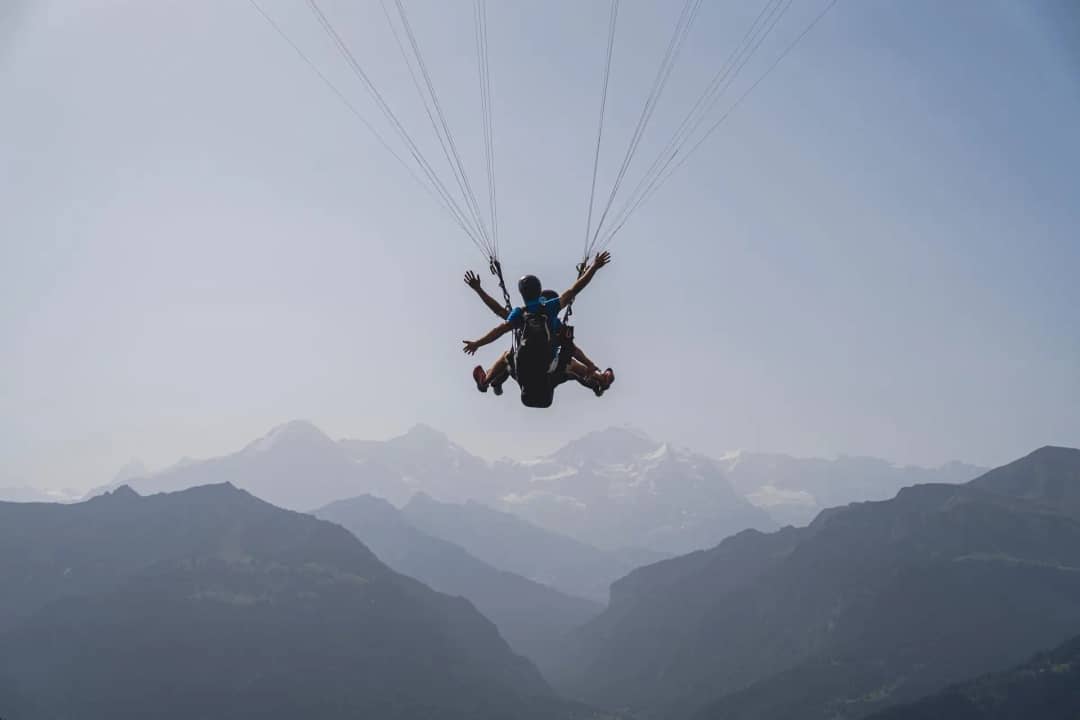
Das Fotopaket lohnt sich fast immer. Sie können während des Flugs nicht selbst fotografieren, und die Bilder, die der Pilot macht, mit ausgebreiteten Armen über den Alpen, lassen sich anders kaum nachstellen.
Ihre Fragen zum Tandemfliegen in Interlaken
Wie lange dauert ein Gleitschirmflug in Interlaken?
Ein Standard-Tandemflug dauert 10 bis 20 Minuten in der Luft, bei Alpin Air wie bei Paragliding Interlaken. Das ganze Erlebnis (Abholung, Briefing, Auffahrt, Flug, Rückkehr) dauert bei Alpin Air rund 75 Minuten, bei Paragliding Interlaken 1 bis 1,5 Stunden. Vom Frühling bis zum Spätsommer bietet Paragliding Interlaken mit Double Airtime auch einen längeren Flug an: 30 bis 40 Minuten in der Luft.
Ist Gleitschirmfliegen in Interlaken sicher?
Der nationale Verband dieser Sportart ist der Schweizerische Hängegleiter-Verband (SHV-FSVL). Kein Luftsport ist risikofrei. Jeder Flug hängt vom Wetter ab, und wenn die Bedingungen nicht reichen, bieten Ihnen die Anbieter einen anderen Termin an oder erstatten den vollen Preis zurück.
Ist Gleitschirmfliegen beängstigend, wenn man Höhenangst hat?
Nicht so, wie die meisten erwarten. Das Gefühl ist Schweben, nicht Fallen. Sie sitzen in einem Gurtzeug, das Sie wie ein Sessel trägt. Es gibt keinen plötzlichen Absacker, kein Magenkribbeln, kein Gefühl von Unsicherheit. Passagiere, die sich selbst als höhenängstlich beschreiben, berichten immer wieder, der Flug sei "überhaupt nicht beängstigend" gewesen und das Schweben habe nichts mit dem Stehen auf einem Balkon zu tun.
Der eine Moment, der intensiv sein kann, sind die 60 Sekunden vor dem Start. Dort sitzt die Nervosität. Sobald Sie in der Luft sind, ist sie weg. "Die meisten Erstflieger denken, der Start sei der schwerste Moment. Er ist es nie. Es sind die 60 Sekunden davor", sagt Marc von Alpin Air. Jede einzelne Person, die mich gefragt hat, ob sie springen muss, ist lachend gelandet.
Gibt es eine Gewichtsgrenze fürs Gleitschirmfliegen in Interlaken?
Beide Anbieter setzen ein Mindestgewicht von 25 kg. Das Höchstgewicht beträgt bei Alpin Air 90 kg (80 kg bei Flügen am frühen Morgen und am Abend), bei Paragliding Interlaken 100 kg (80 kg beim Flug um 7.15 Uhr). Alpin Air nimmt Kinder ab 5 Jahren mit einer Einverständniserklärung der Eltern mit, Paragliding Interlaken ab 6 Jahren und 30 kg.
Eine besondere Fitness braucht es nicht. Sie laufen beim Start drei Meter. Vom Gleitschirmfliegen wird generell abgeraten bei schweren Herzproblemen, chronischem Schwindel oder während der Schwangerschaft. Im Zweifel fragen Sie vor der Buchung beim Anbieter nach.
Falls Gleitschirmfliegen für Sie nicht in Frage kommt oder Sie eine zweite Aktivität für dieselbe Reise suchen, vergleicht unser Guide zu den besten Outdoor-Abenteuern in Interlaken Canyoning, Rafting, Fallschirmspringen und die ruhigeren Optionen nach Preis, nötiger Fitness und Mut.
Was soll ich für einen Gleitschirmflug anziehen?
Geschlossene Schuhe (Turnschuhe genügen), bequeme Kleidung, in der Sie ein paar Schritte laufen können, und eine Schicht mehr als im Ort. Eine Sonnenbrille ist empfehlenswert. Lose Gegenstände bleiben im Bus.
Dürfen Kinder in Interlaken Gleitschirm fliegen?
Ja. Alpin Air nimmt Kinder ab 5 Jahren mit einer Einverständniserklärung der Eltern mit, Paragliding Interlaken ab 6 Jahren und 30 kg. Kinder sind in der Luft meist bemerkenswert ruhig.
Wie früh soll ich buchen?
Im Juli und August mindestens 1-2 Wochen im Voraus: Die Plätze am späten Nachmittag gehen zuerst weg, oft Wochen vor dem Datum. Im Mai, Juni, September und Oktober genügen meist 2-3 Tage.
Eine Buchung am selben Tag ist ausserhalb der Hochsaison möglich, ist aber ein echtes Risiko, wenn Ihr Zeitfenster kurz ist. Wenn ein Flug wegen Wetter ausfällt, melden sich die Anbieter meist innert 24 Stunden für einen neuen Termin.
Ein Vormittag am Boden ist kein verlorener Tag. Unser ehrlicher Guide zu Interlaken zeigt, was sich im Ort und an den Seen lohnt, wenn der Wind zu stark ist, inklusive der Optionen bei Regen, damit Sie die Wartezeit bis zum neuen Termin sinnvoll nutzen.
Bekomme ich Fotos und Video von meinem Flug?
Ja. Fast jeder kommerzielle Pilot in Interlaken hat eine kleine Kamera dabei und bietet ein Foto- und Videopaket an, meist als digitaler Download innert weniger Stunden nach der Landung.
Kann man in Interlaken im Winter Gleitschirm fliegen?
Ja, aber das Angebot ist kleiner. Einige Anbieter fliegen im Winter, wenn es die Bedingungen zulassen, mit Starts von verschneiten Hängen und Landungen auf präparierten Flächen. Die Aussicht ist grossartig, wenn die Gipfel weiss sind. Buchen Sie im Voraus und rechnen Sie mit mehr wetterbedingten Absagen als im Sommer.
Fliegen Sie, und bleiben Sie über dem Tal
Für Reisende, die mit der Erwartung von Bergen nach Interlaken kommen, ist der Gleitschirmflug der Moment, in dem aus Bergen eine Erinnerung wird. Zwischen der Stille der Höhenluft, den Kuhglocken, die von weit unten heraufkommen, und dem langsamen Sinkflug auf eine Wiese, welche die Hoteliers von Interlaken 160 Jahre lang geschützt haben, damit heute Fremde darauf landen können, ist das eines der echtesten Schweizer Erlebnisse, die sich mit einer Kreditkarte buchen lassen.
Für den Flug selbst empfehlen wir Alpin Air, gegründet von Marc und Thea Herzig: der Anbieter, den wir kennen, dem wir vertrauen und zu dem wir Gäste ohne Zögern schicken. Buchen Sie Ihren Tandem-Gleitschirmflug.
Daraus einen ganzen Tag machen? Kombinieren Sie Ihren Flug mit unserer Weintour im nahen Spiez oder mit unserer Farm Tour. Am Morgen der Himmel über dem Thunersee, am Nachmittag die Reben an seinen Ufern. Kein anderer Tag in Interlaken kommt da heran.
*Geschrieben von Pierre Vetsch, Gründer und leitendem Guide bei Swiss Local Adventures
Quelle:
Erfahrung vor Ort am Startplatz Beatenberg, 2026.
Schlagwörter
#paragliding-interlaken#tandem-paragliding#beatenberg#bernese-oberland#adventure-interlaken#swiss-alps#hohematte#jungfrau-region#interlaken#things-to-do-interlaken
Quellen & Referenzen
Diesen Artikel teilen
Ähnliche Artikel
Setzen Sie Ihre Lektüre mit diesen verwandten Artikeln fort
Gleitschirmfliegen
12.9.2026
12 Min
Deltafliegen oder Gleitschirm in Interlaken?
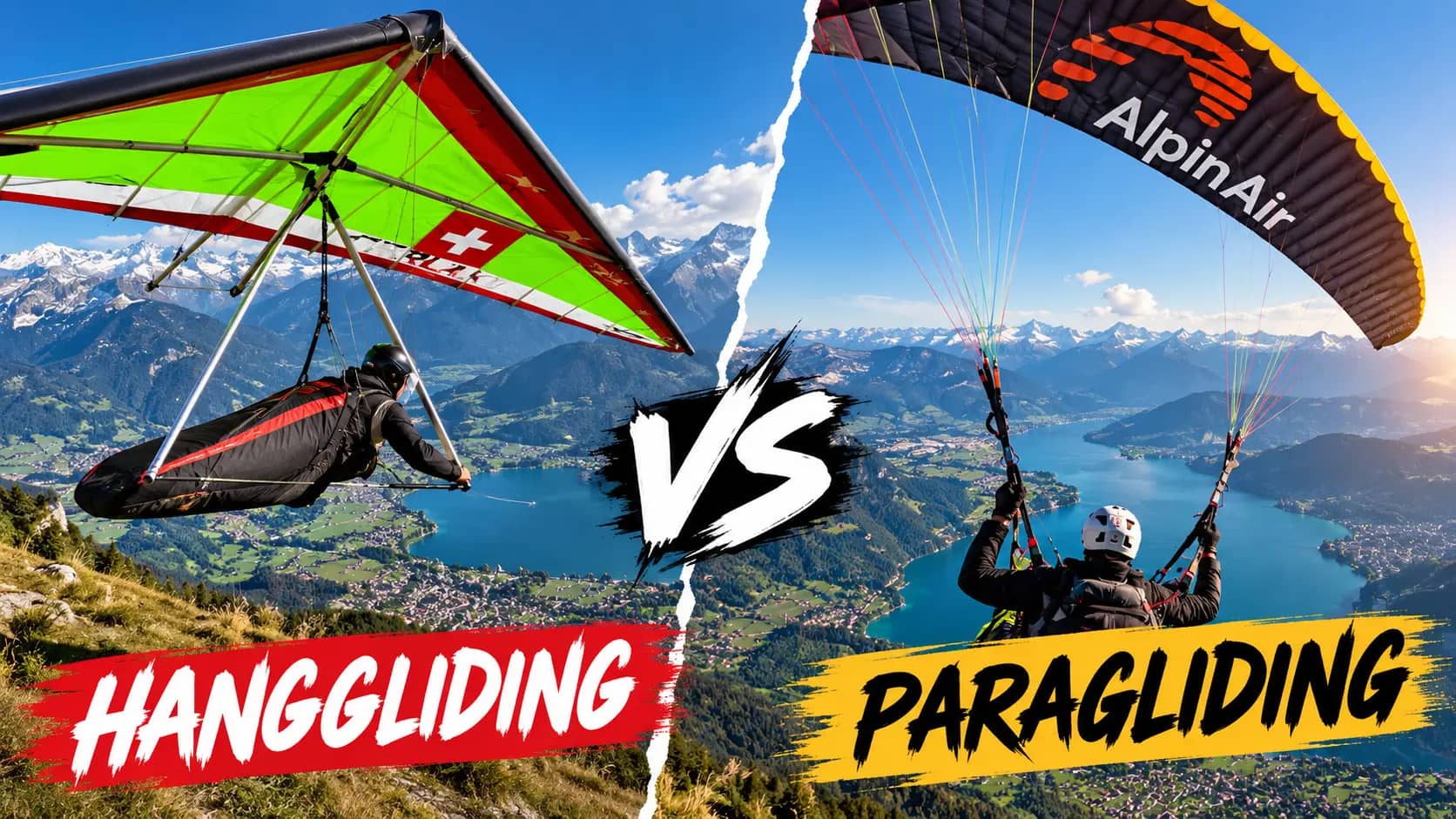
Delta oder Gleitschirm in Interlaken: gleicher Hang, gleiche 10 bis 20 Minuten, CHF 180 bis 199 gegen CHF 260. Das kaufen die 61 bis 80 Franken mehr.
tandem-hang-glidingtandem-paraglidingadventure-sports
Von Timoté BailyMehr Lesen