Wine Tour
Tour des vins à Spiez : le déroulé minute par minute
O
Olivia Lufman
Auteur
7 juillet 2026
3 min
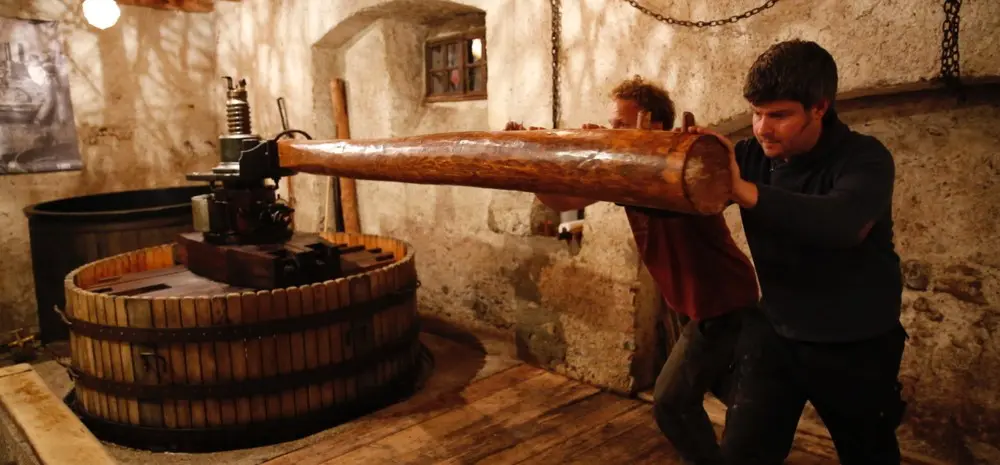
Notre tour des vins à Spiez : ce qui se passe dès l'instant où nous venons vous chercher
Certains tours sont difficiles à décrire. Ils dépendent de la météo, des personnes présentes, ou de l'humeur du guide ce jour-là.
Celui-ci est assez régulier pour que je puisse vous le raconter étape par étape. Notre article Wine Tour Spiez donne le tableau d'ensemble : l'histoire de la coopérative, les cépages, pourquoi ce coteau porte de la vigne depuis 994. Ici, c'est la version pour ceux qui veulent les horaires. Ce qui se passe à 15h50, ce qui se passe à 16h15, à quelle heure vous êtes de retour à votre hôtel.
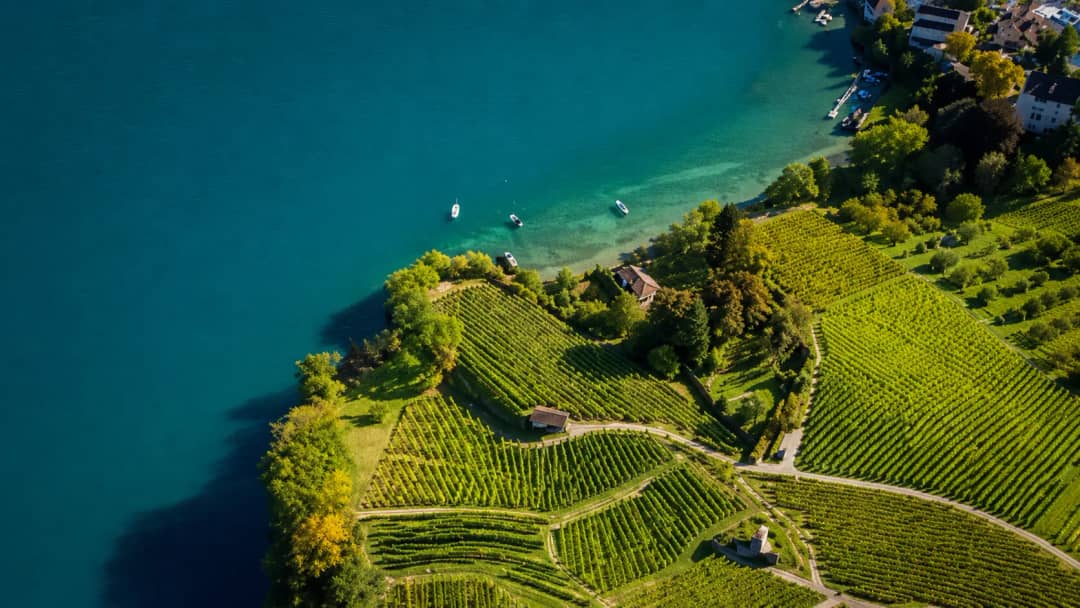
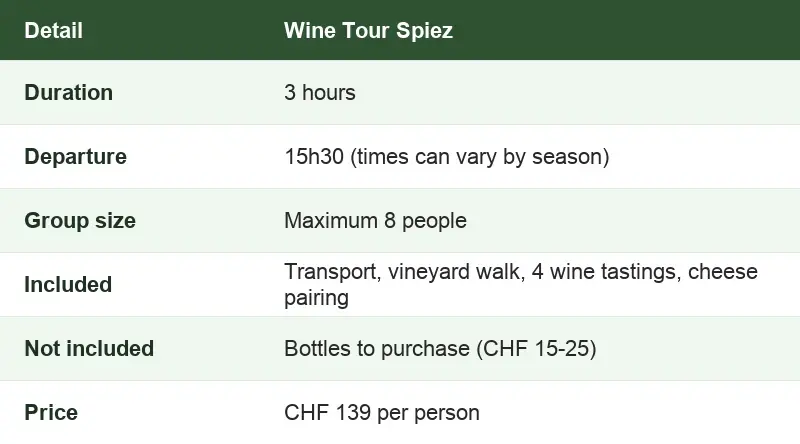
15h30 : prise en charge à Interlaken
Nous venons vous chercher à votre hôtel ou à un point de rendez-vous central à Interlaken. Si vous logez à l'Adventure Hostel ou quelque part sur la Hauptstrasse, nous passons chez vous. Indiquez-nous votre adresse au moment de réserver votre tour des vins à Spiez.
Le trajet jusqu'à Spiez prend environ 20 minutes le long de la rive sud du lac de Thoune, par Därligen, Leissigen, Krattigen et Faulensee, presque toujours au bord de l'eau. Si vous n'avez jamais pris cette route, la vue par la fenêtre est un bon avant-goût de la suite.
15h50 : arrivée à Spiez
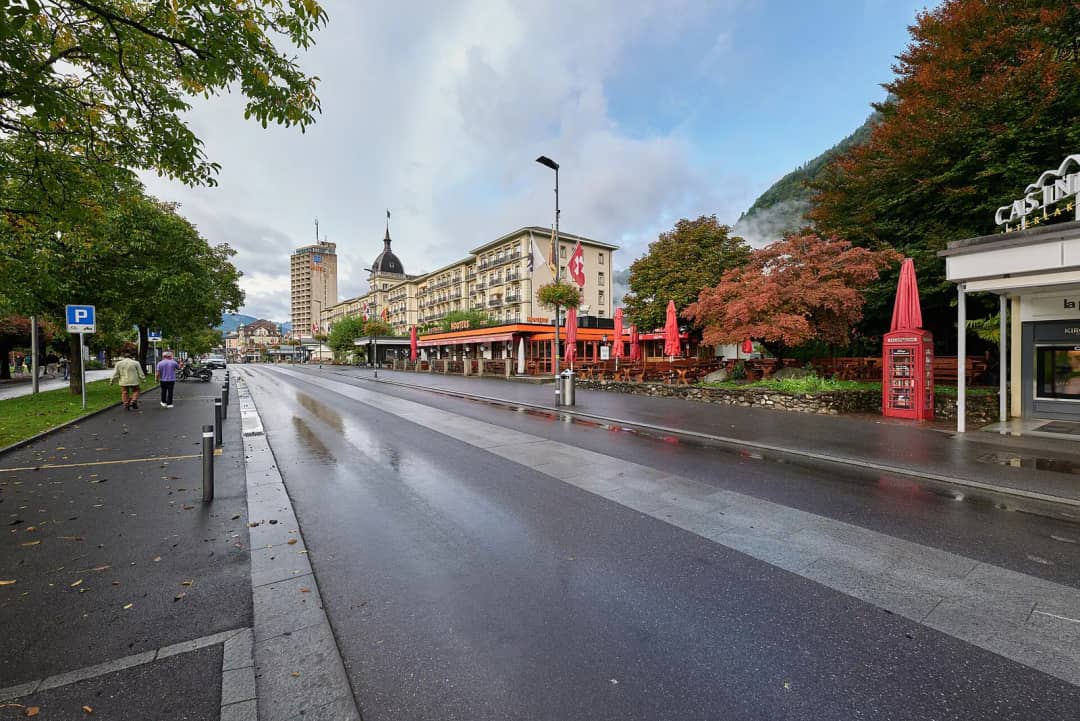
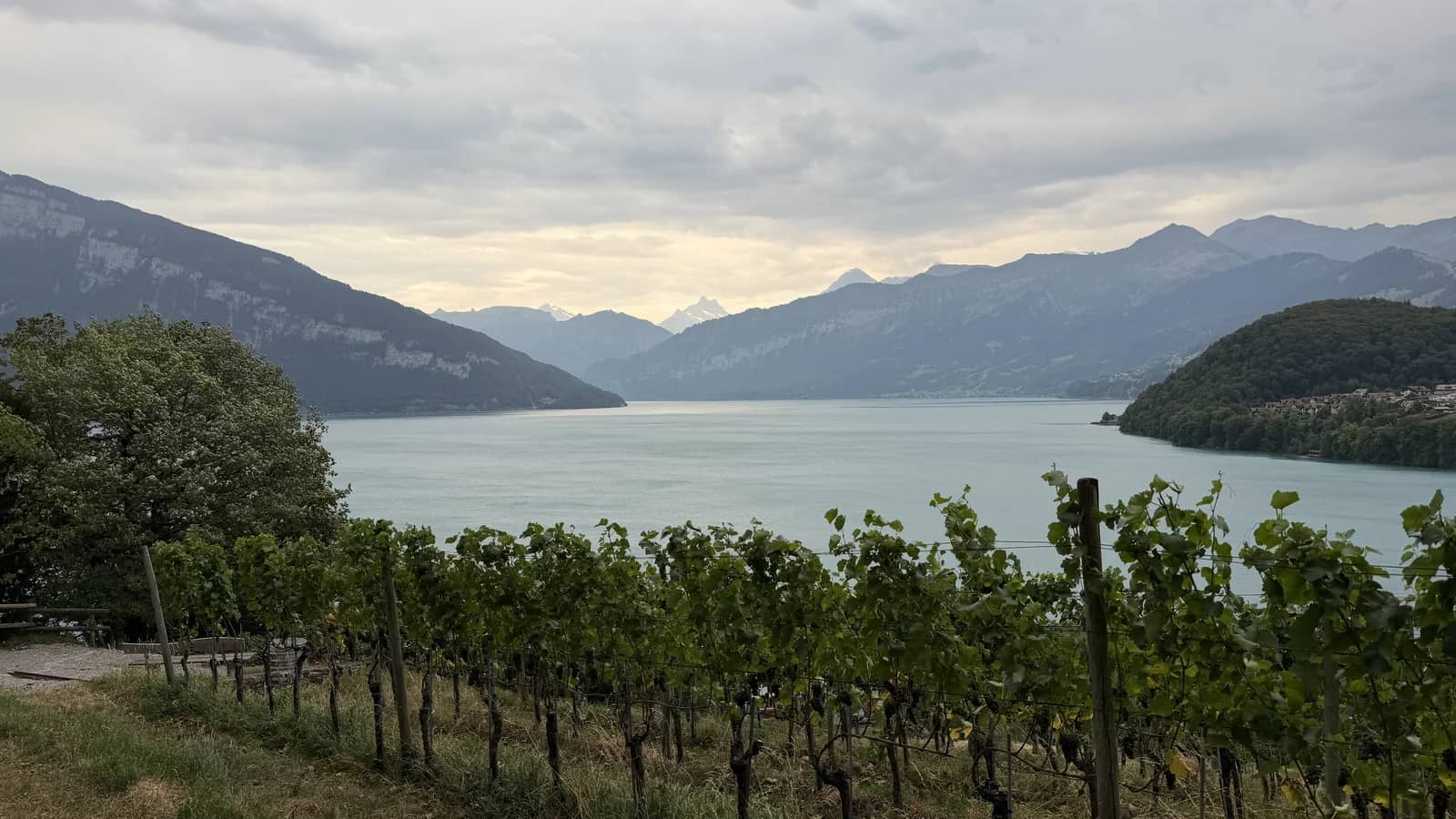
Nous nous garons au pied du vignoble. Le domaine de la coopérative, Rebbau Spiez Genossenschaft, qui cultive ce coteau depuis plus d'un siècle, s'étire en terrasses au-dessus du village.
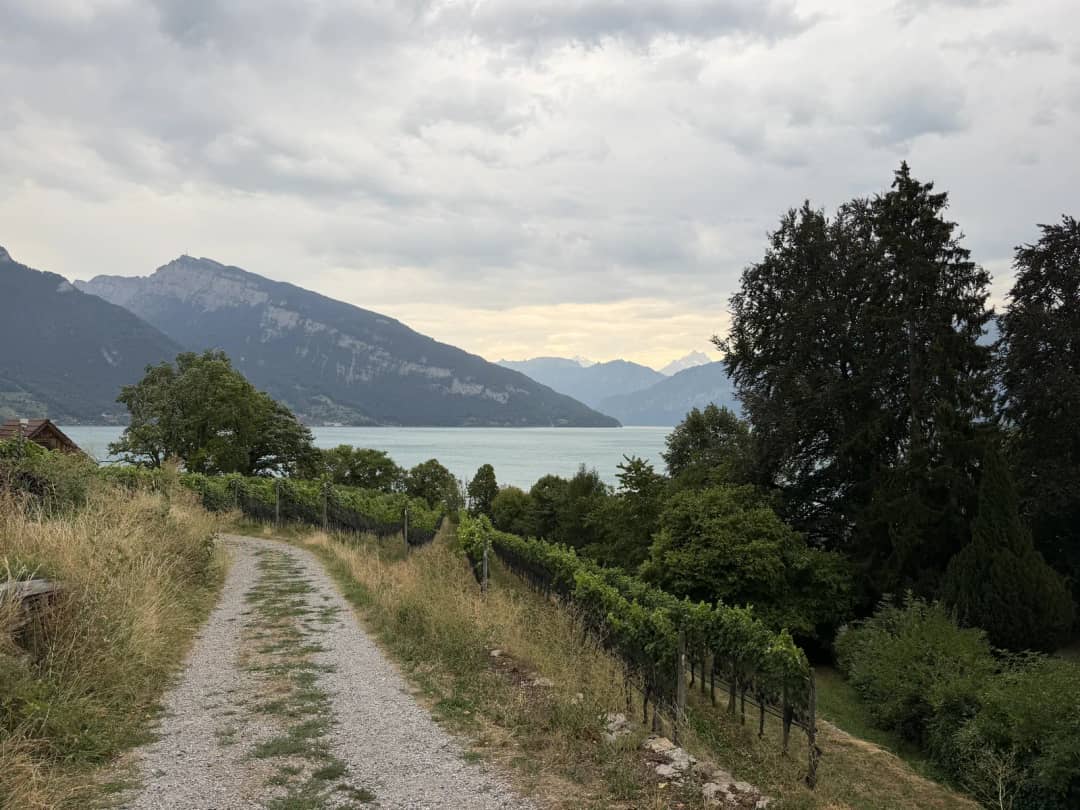
Premier arrêt : la vue. Avant même de parler de vin, nous nous arrêtons au-dessus du lac pour regarder où nous sommes.
Olivia a demandé à un vigneron : « Pourquoi a-t-on planté de la vigne aussi loin au nord ? »
« Parce que la pente est orientée au sud, juste au-dessus du lac. L'eau renvoie la lumière et la chaleur sur les raisins, et ils mûrissent. »
Olivia Lufman, votre rédactrice voyage chez Swiss Local Adventures
Le lac de Thoune fait 18 kilomètres de long et 217 mètres de profondeur. Le château de Spiez occupe le promontoire sur la gauche. Par temps clair, le Niesen est juste derrière vous et la Jungfrau apparaît au sud, dans l'échancrure de la vallée. Le coteau sur lequel vous vous tenez porte de la vigne depuis 994 au moins.
Quelqu'un a planté du raisin ici il y a mille ans et il a eu raison. Vous comprendrez pourquoi tout de suite.
15h50-16h15 : la marche dans les vignes
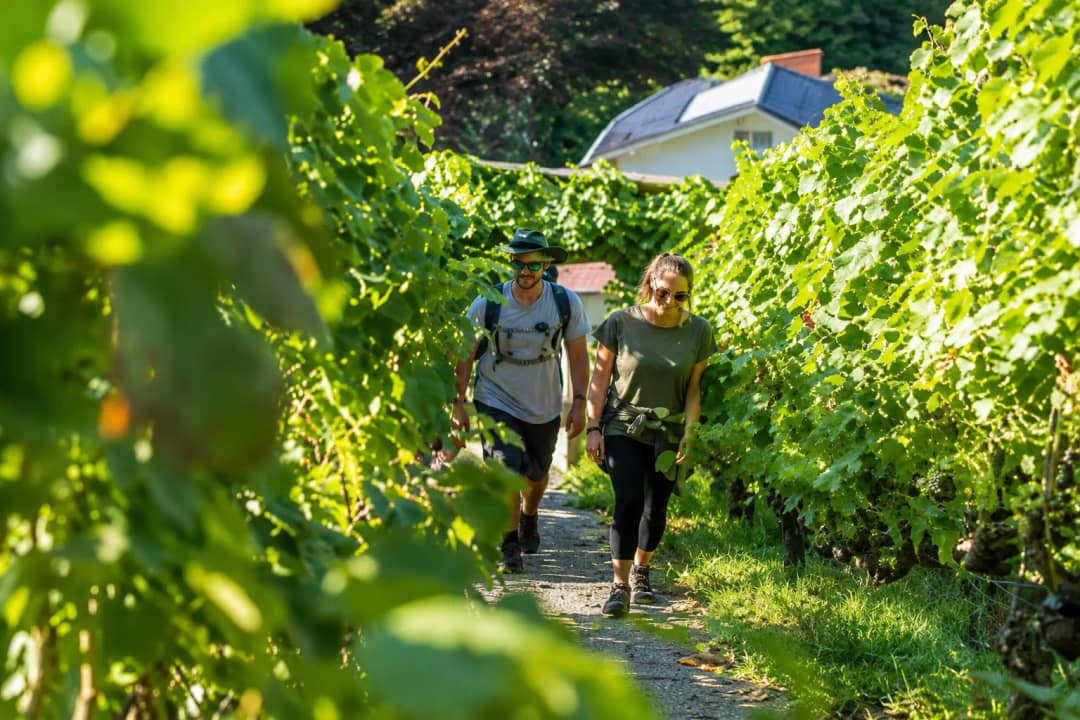
Vingt-cinq minutes de marche entre les rangs. Ce qui pousse ici, comment les ceps sont conduits, pourquoi l'exposition plein sud au-dessus du lac rend la viticulture possible aussi loin au nord.
Les deux cépages principaux : le Pinot Noir et le Riesling-Sylvaner, aussi appelé Müller-Thurgau. Tous deux adaptés aux climats alpins frais, tous deux donnant des vins plus légers et plus aromatiques que ceux des régions chaudes comme Lavaux ou le Valais. Si vous voulez savoir comment Spiez se situe face à ces régions, nous en parlons dans Best Wine Regions in Switzerland.
Olivia dit : « J'ai vu notre guide arrêter un groupe à mi-hauteur du deuxième rang, en septembre dernier, là où les ceps s'espacent et où le lac s'ouvre en dessous. »
Olivia Lufman, votre rédactrice voyage chez Swiss Local Adventures
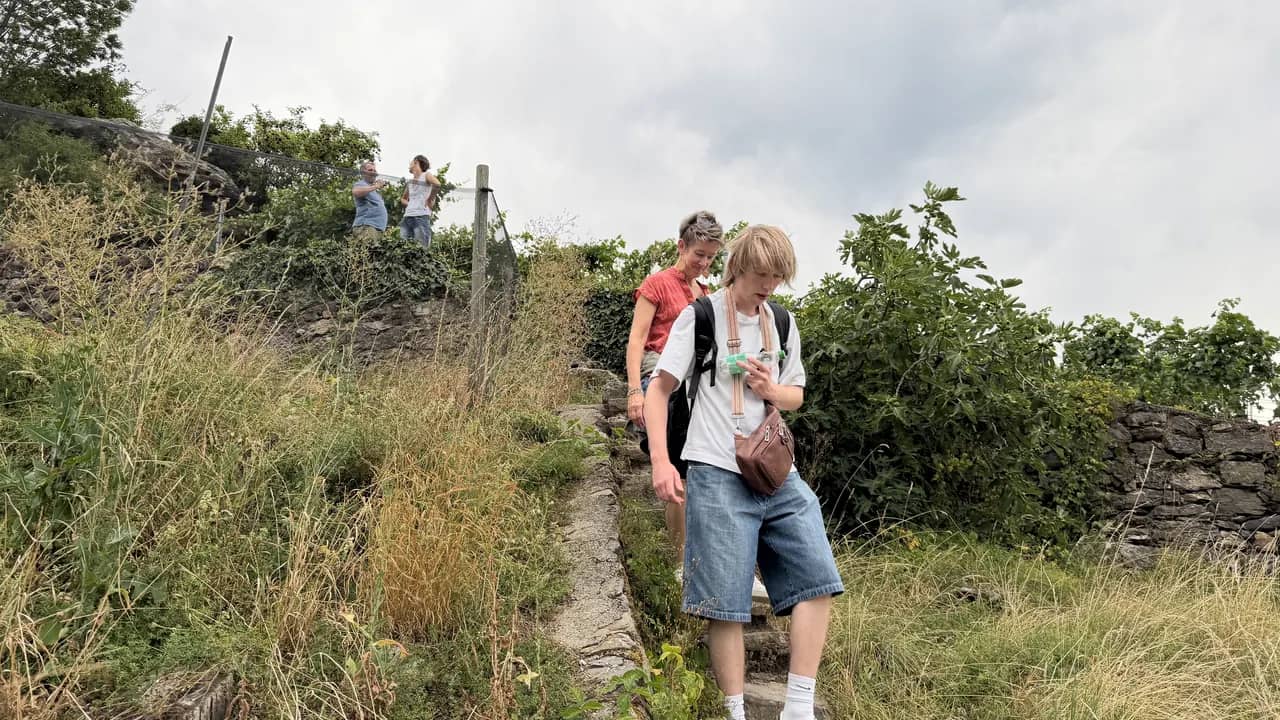
Notre guide marche avec vous du début à la fin et répond aux questions au fur et à mesure. Il n'y a pas de texte appris. Si vous posez une question précise sur le sol ou sur les vendanges, vous obtenez une réponse précise.
J'ai vu notre guide arrêter un groupe à mi-hauteur du deuxième rang, en septembre dernier, là où les ceps s'espacent et où le lac s'ouvre en dessous. Un client a demandé comment on irrigue une pente aussi raide. Personne ne l'irrigue. Le guide a montré la terre à nu pour le prouver : les racines descendent assez profond pour trouver leur eau.
La question qui revient le plus souvent : « Pourquoi n'ai-je jamais entendu parler du vin suisse ? »
La réponse prend une dizaine de minutes et vaut la peine d'être écoutée.
16h15-17h45 : la dégustation
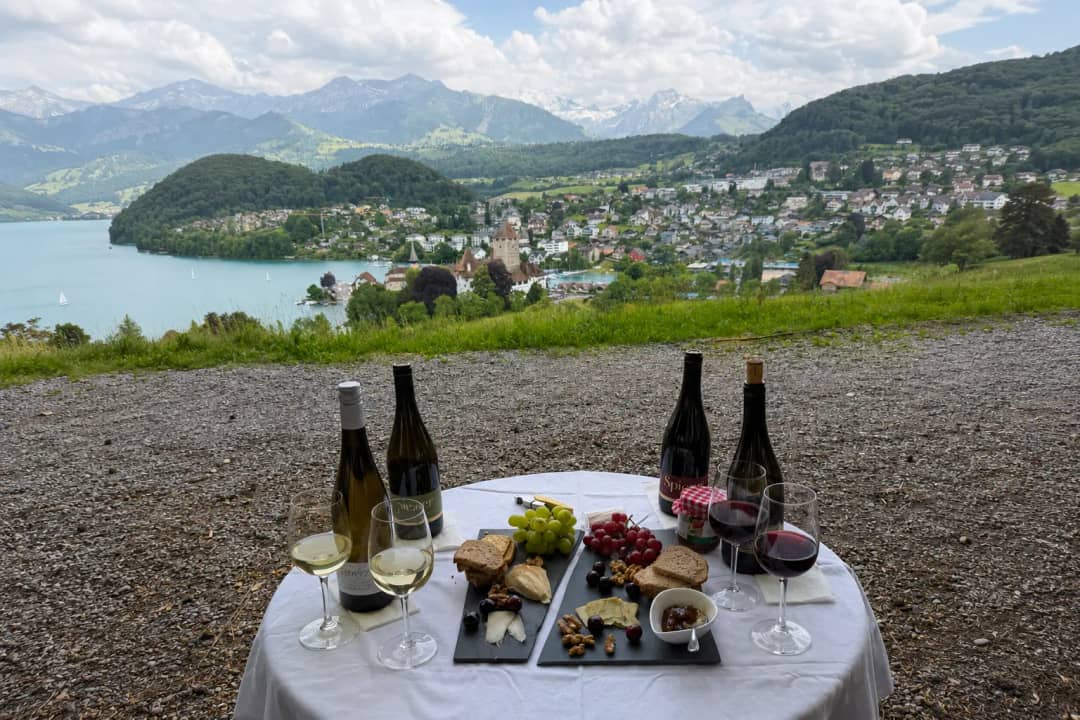
Quatre vins. Deux blancs, deux rouges, servis un par un pour que vous puissiez les comparer côte à côte.
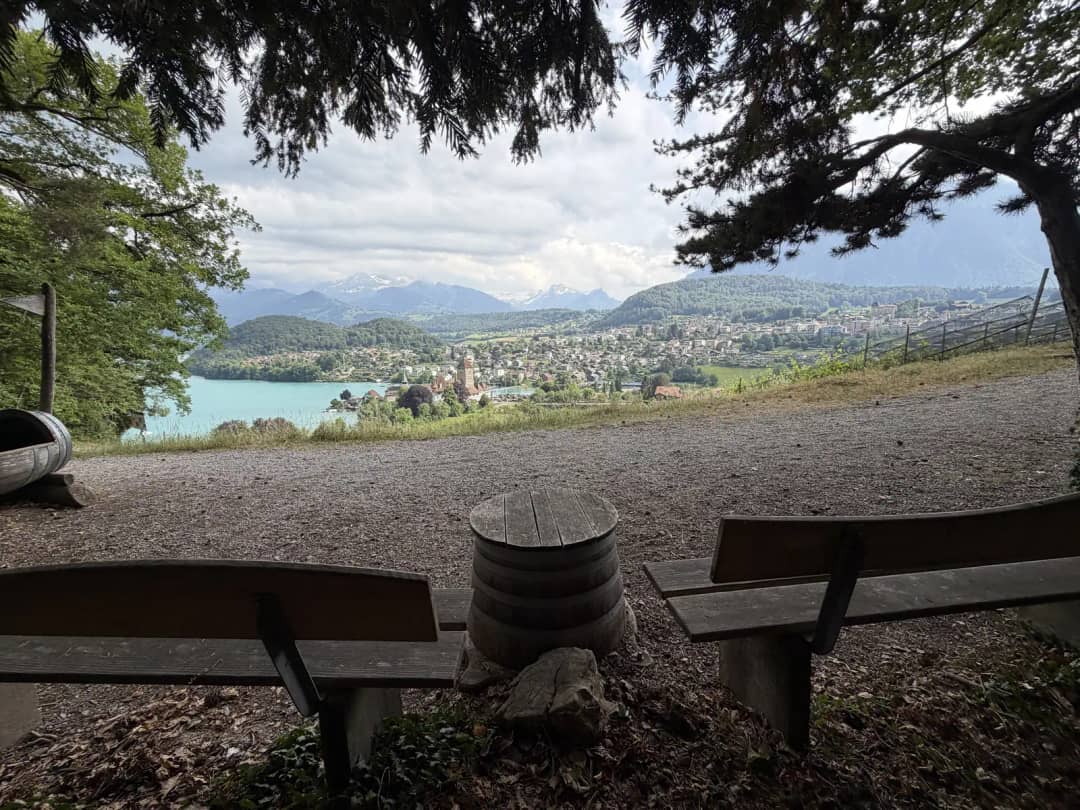
Nous nous installons aux tables en haut du domaine, en plein air avec le lac devant vous, ou à couvert s'il pleut. La vue depuis les tables de dégustation est la même dans les deux cas.
Le saviez-vous ? Le lac de Thoune, juste devant les tables de dégustation, fait 217 mètres de profondeur.
Chaque vin est présenté brièvement : le millésime, le cépage, ses caractéristiques, ce qui le distingue des versions plus célèbres du même cépage ailleurs.
Un fromage de la région accompagne chaque vin. Mi-dur, coupé sur la planche. Ni crackers ni accompagnements compliqués. Juste ce qui va avec ces bouteilles précises.
Si quelqu'un dans votre groupe ne boit pas, la dégustation n'est qu'une partie de l'après-midi. Nous expliquons ce que la marche, la vue et le fromage apportent aux participants qui ne boivent pas, et ce qu'ils trouvent dans leur verre à la place.
Nous prenons notre temps ici. Une heure et demie, quatre vins, personne qui presse entre deux services.
Spiez n'est pas le seul endroit où goûter du vin près d'Interlaken. Nous avons comparé six options réelles de dégustation dans la région, avec les prix, les jours d'ouverture et l'accès, pour situer cette après-midi parmi les autres.
17h45-18h10 : temps libre
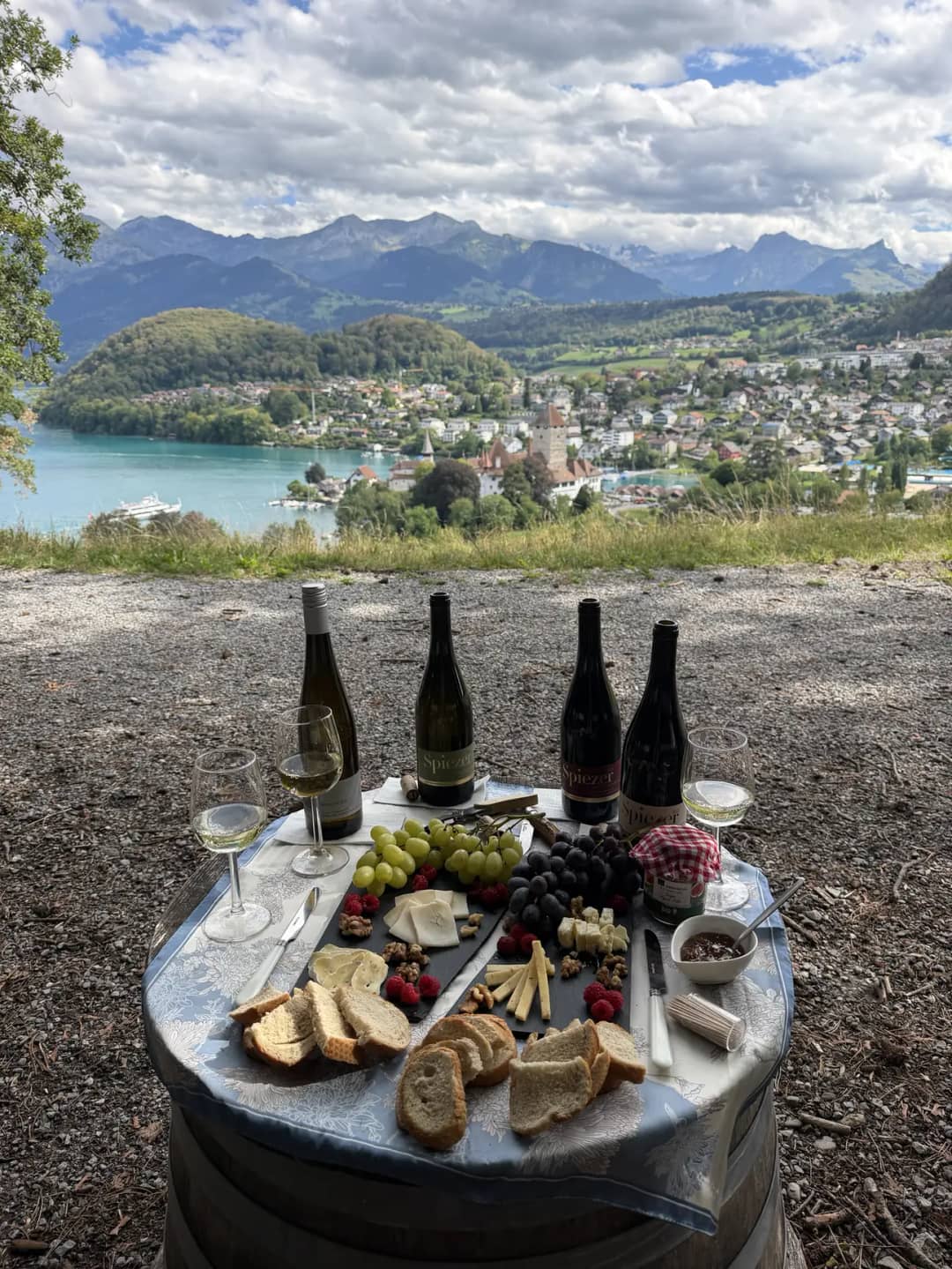
C'est la partie à laquelle personne ne s'attend : du temps qui reste, sans rien de prévu. Des questions, un dernier regard sur la vue, ou simplement rester assis avec son verre pendant que la lumière change sur le lac.
Demandez ce que vous voulez. La coopérative, le vin, l'histoire de la région, l'effet du millésime sur ce que vous êtes en train de goûter.
Si vous voulez rapporter une bouteille, c'est le moment. Les prix vont de CHF 25-35 selon le vin, les mêmes bouteilles locales que celles que vous venez de goûter. Vous pouvez la prendre à la boutique de la coopérative ou directement auprès de votre guide.
Conseil d'initié : Vous achetez des bouteilles ? Les prendre dans le train suisse ne pose aucun problème. Pour l'avion, rangez-les dans votre bagage en soute, à l'hôtel.
La plupart des gens achètent quelque chose. Certains repartent avec plusieurs bouteilles. Le Riesling-Sylvaner voyage bien.
Personne ne s'est jamais senti poussé vers la sortie à ce moment de l'après-midi. C'est voulu. C'est la partie du tour sans programme fixe.
18h10 : retour à Interlaken
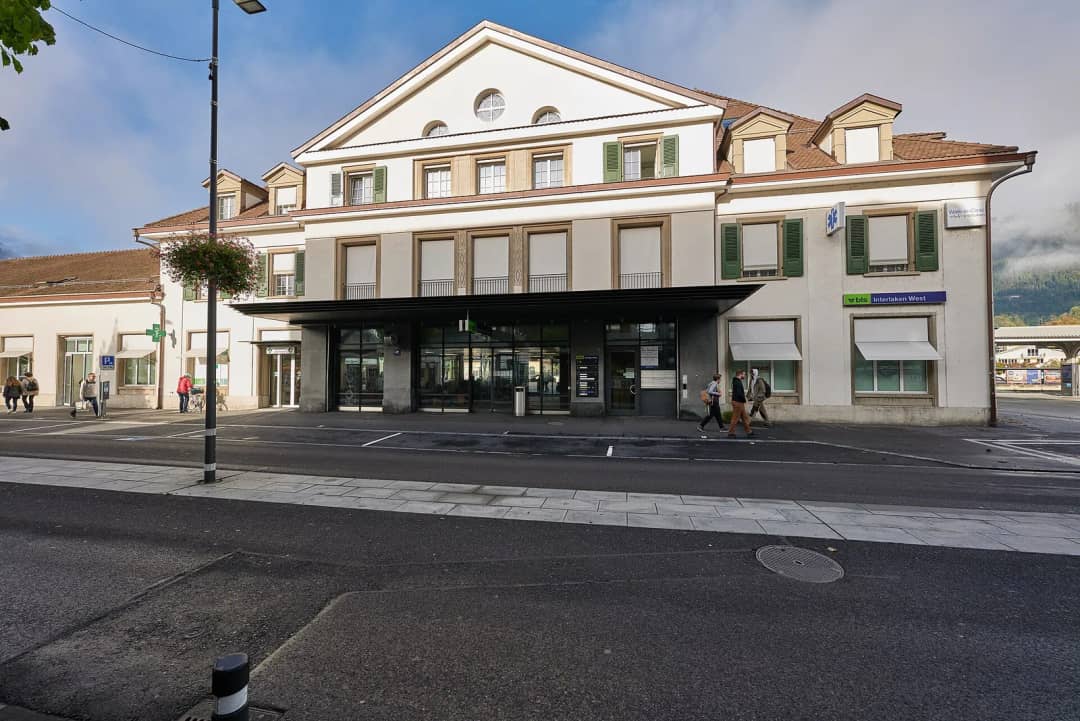
On remonte dans le van. Le retour suit la même route le long de la rive sud, encore 20 minutes, et vous dépose à votre hôtel ou à un point central vers 18h30.
Olivia dit : « Réservez le dîner après 18h30 et demandez un Riesling-Sylvaner. Après un après-midi sur cette pente, vous saurez quoi chercher dans le verre. »
Olivia Lufman, votre rédactrice voyage chez Swiss Local Adventures
À la maison avant le dîner. Un dîner avec un vin dont vous savez désormais quelque chose.
Si vous hésitez encore sur le prix, nous avons détaillé ce que les CHF 139 couvrent, poste par poste, dans notre analyse du rapport qualité-prix, avec ce que coûterait la même après-midi par vos propres moyens.
Informations pratiques
Vos questions sur le tour des vins à Spiez
Puis-je réserver le tour des vins en groupe privé ?
Oui. Les groupes privés disposent du tour pour eux seuls, même itinéraire, même vignoble, horaires adaptés. Contactez-nous pour le tarif. Nous pouvons ajuster le programme pour les groupes qui arrivent en train ou qui ont des contraintes horaires précises.
Et si je veux acheter plusieurs bouteilles, puis-je les prendre dans le train ?
Oui. Les bouteilles du Rebbau Spiez sont fournies avec un sac. Les emporter dans le train suisse ne pose aucun problème. Pour l'avion, rangez-les dans votre bagage en soute à l'hôtel, avant de partir pour l'aéroport, et non avant le tour.
Le tour est-il le même au printemps et en automne ?
Le vignoble change d'aspect selon la saison. L'été donne des vignes vertes et des après-midis plus chauds. De fin septembre à octobre, on voit les vendanges, et cela vaut le coup d'œil. Nous ne proposons pas de tour en dehors de la saison végétative (novembre-mars), mais l'entre-saison est excellente.
À quoi m'attendre si je ne connais rien au vin ?
La plupart de nos clients arrivent en n'y connaissant presque rien, et c'est très bien ainsi. La dégustation est faite pour cela. Chaque vin est expliqué simplement : ce que c'est, pourquoi il a ce goût, et à quoi le comparer. Personne n'est interrogé.
Réservez votre place pour le Wine Tour à Spiez
*Écrit par Olivia Lufman, votre rédactrice voyage chez Swiss Local Adventures
Source :
visite sur place du vignoble au-dessus de Spiez, 2026.
Mots-clés
#wine-tour-interlaken#spiez-wine-tour#wine-tasting-switzerland#interlaken-afternoon-activities#rebbau-spiez
Sources & Références
Partager cet article
Articles Similaires
Continuez votre lecture avec ces articles connexes
Wine Tour
19/08/2026
5 min
Le tour des vins de Spiez vaut-il ses CHF 139 ?
Comparez : une dégustation seule coûte CHF 30 à 70 en Suisse, et peu de domaines en vendent. Voici ce que CHF 139 achètent à la place.
wine-tour-interlakenwine-tasting-cost-switzerlandswiss-wine
Par Olivia LufmanLire Plus
Wine Tour
18/08/2026
4 min
Dégustation de vin à Interlaken: 6 options réelles
Dégustez du vin suisse près d'Interlaken: trois vignobles à 25 minutes, les vrais jours d'ouverture et les prix. 2% du vin suisse s'exporte.
wine-tour-interlakenswiss-winespiez-vineyard
Par Olivia LufmanLire Plus
Wine Tour
10/07/2026
6 min
Le Riesling-Sylvaner, le vin rare de la Suisse
Comprenez le Riesling-Sylvaner : ce n'est pas un assemblage de deux cépages, mais le blanc suisse le plus mal compris. Et où le goûter à Spiez.
riesling-sylvanermuller-thurgauswiss-wine
Par Olivia LufmanLire Plus