Farm Tour
Quesera alpina: 348 ruedas de queso cada verano
T
Teona Gvasalia
Autor
19 de junio de 2026
7 min
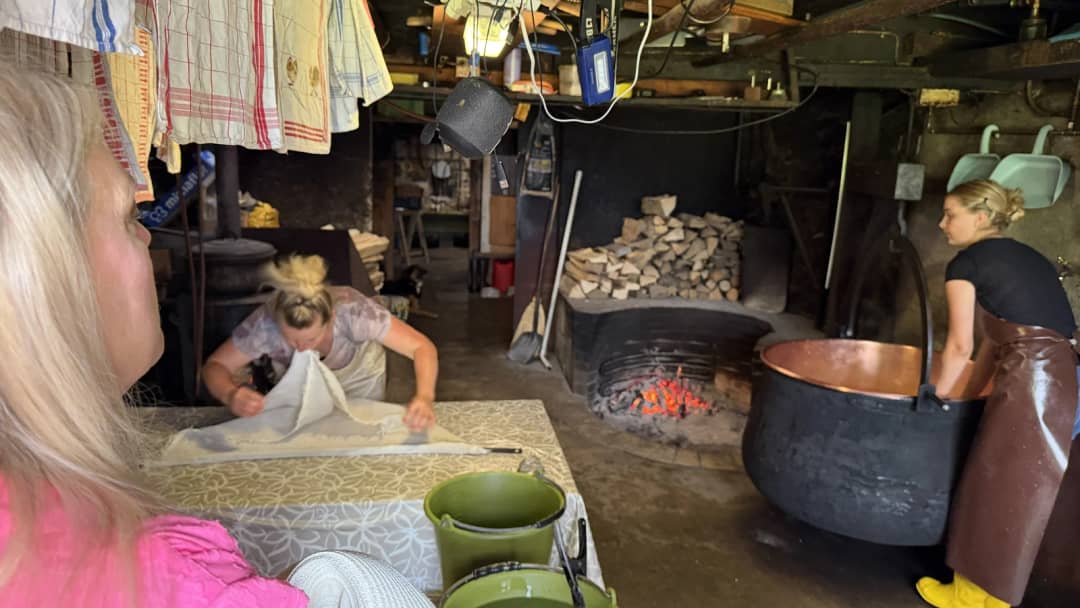
Hace 348 ruedas de queso cada verano. Le preguntamos cómo lo consigue.
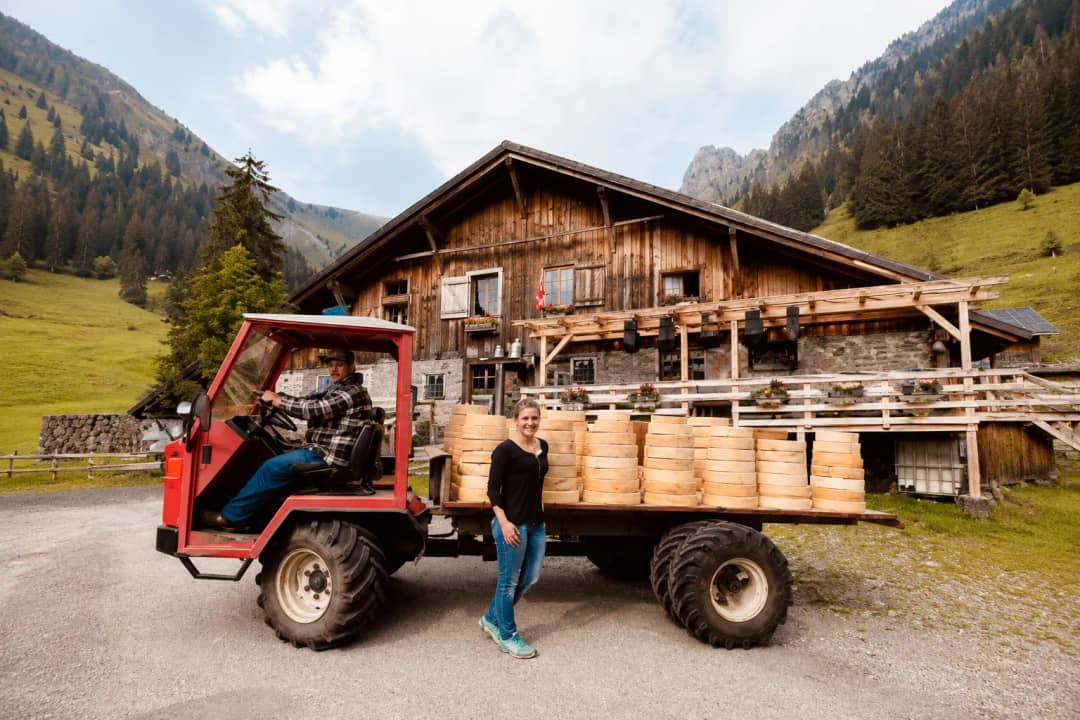
Pasé un martes por la mañana con Daniela en julio de 2026, a 1370 metros en el Justistal, un valle lateral sobre Interlaken que no aparece en casi ningún itinerario turístico. Daniela dirige el Sigriswiler Bärgli, una quesería alpina en pleno funcionamiento donde cuida 21 vacas Brown Swiss de mayo a finales de septiembre y transforma su leche en 348 ruedas de queso cada verano. Lo hace desde 2009. Le hice todas las preguntas que tenía. Respondió igual que hace el queso: sin atajos.
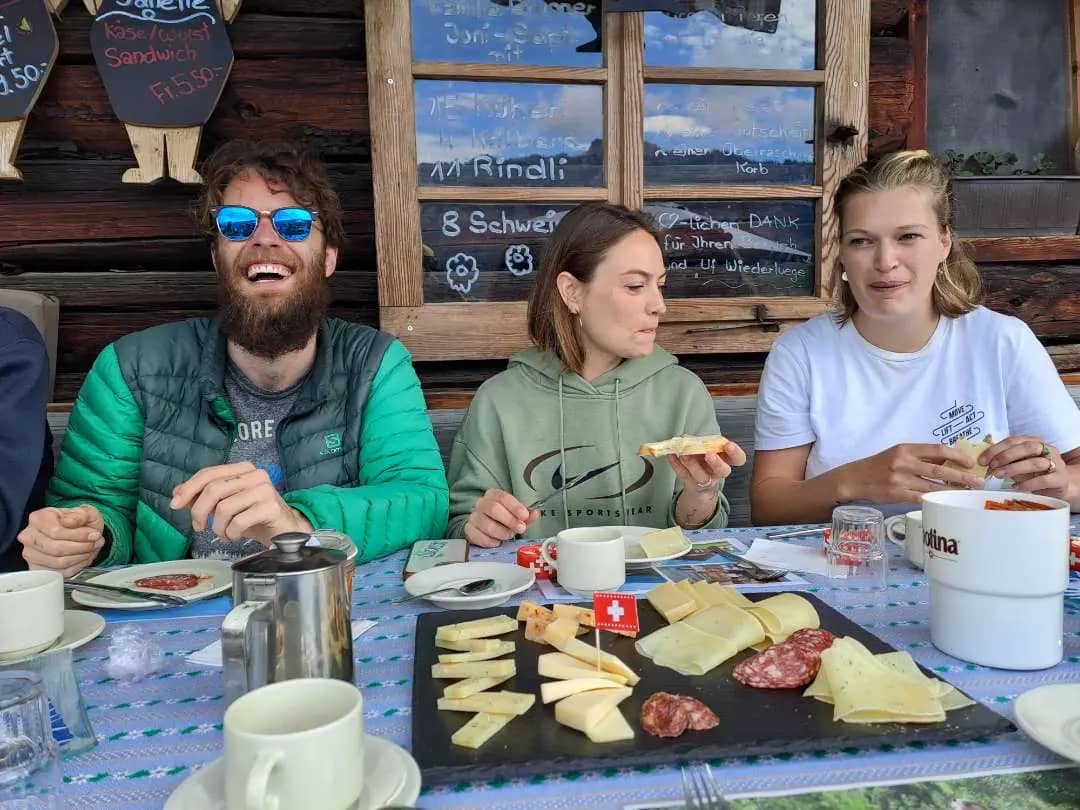
¿Cómo acabó dirigiendo esta quesería?
Daniela no llegó al Justistal por casualidad. Creció en el Oberland bernés rodeada de ganado y, cuando llegó al Sigriswiler Bärgli, ya entendía el idioma del lugar.
"Cuando llegué aquí en 2009, no empezaba de cero. Entendía a los animales, entendía el trabajo y tenía suficiente terquedad para llevar una explotación cooperativa en altura. La estructura cooperativa significa que la leche viene de 21 vacas Brown Swiss que pertenecen a distintas familias campesinas del valle. No todas las vacas son mías. Soy responsable de lo que pasa con su leche desde que llega aquí. Esa responsabilidad me va bien."
Daniela, Sigriswiler Bärgli
¿Qué diferencia a una quesería alpina de una fábrica suiza corriente?
"La diferencia más evidente es la leche. En una fábrica, la leche puede viajar horas antes de llegar a la cuba. Aquí arriba, las vacas terminan el ordeño y la leche entra en la caldera de cobre en menos de dos horas, a veces menos. Todavía está tibia. Lleva todo lo del pasto: las hierbas silvestres, la altitud, el aire de la mañana. Eso no se reproduce a menor altura ni con otro horario. La temporada también cuenta. Trabajamos de finales de mayo a finales de septiembre y luego la alp cierra. Esa limitación obliga a la calidad. Cada rueda cuenta, porque solo tenemos un número limitado de semanas para hacerlas. Una fábrica puede funcionar todo el año y compensar los altibajos. Nosotros no nos podemos permitir ninguna media."
Daniela
Para una comparación punto por punto entre esta producción y la quesería de valle, vea Alpine Farm vs Cheese Factory.
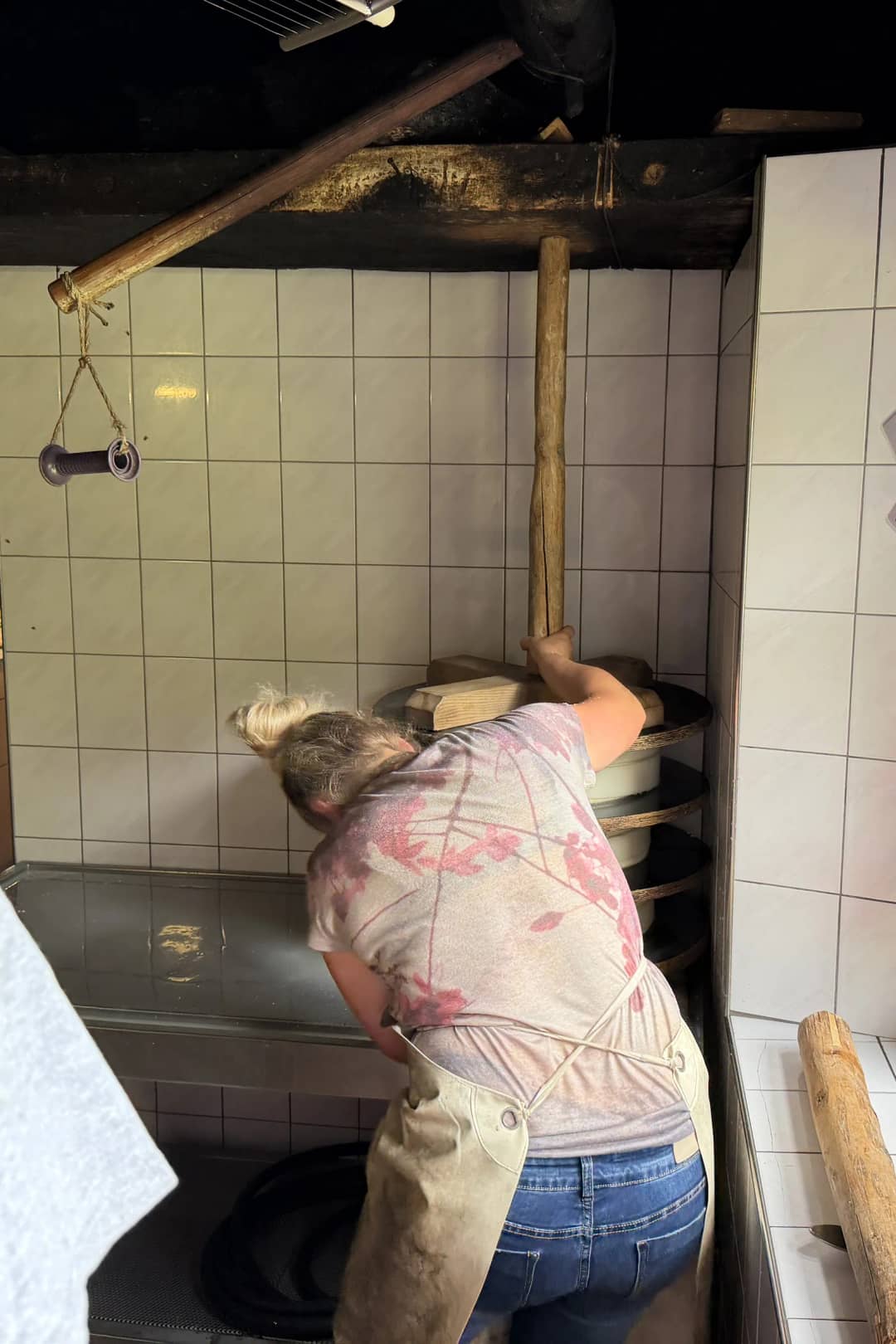
El Sigriswiler Bärgli es una granja en activo. ¿Qué significa eso para quien la visita?
"Significa que la granja no espera a los invitados. Estoy en pie antes del amanecer, venga alguien o no. Hay que ordeñar las vacas temprano por la mañana porque es cuando toca ordeñarlas, no porque encaje en el horario de una excursión. Cuando los visitantes llegan, el primer ordeño ya está hecho. Entran en algo que ya está en marcha."
Daniela
Esa es la diferencia con una quesería de exhibición, donde la demostración se monta en torno a la llegada de los visitantes. Aquí usted ve la secuencia real porque solo hay una secuencia. A veces los invitados le dicen después que no esperaban que resultara tan vivo.
Si duda entre una mañana en esta alp y la visita a una quesería de valle, nuestra comparativa granja alpina o fábrica de queso explica qué se ve de verdad en cada una y cuánto cuesta.
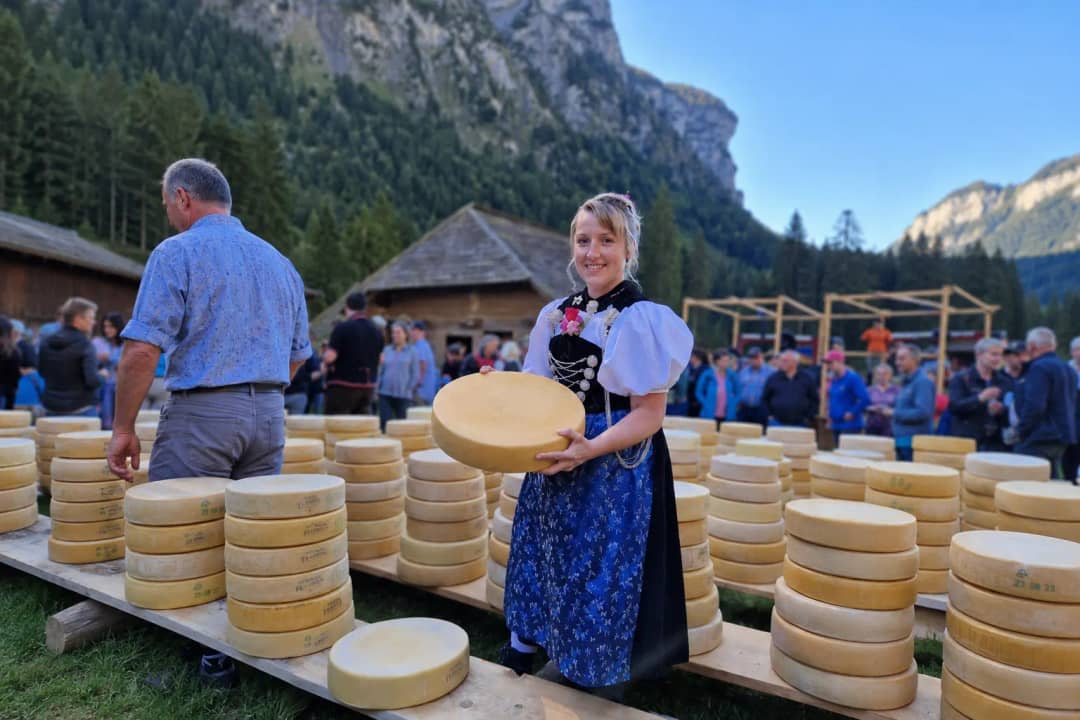
Explíqueme el proceso del queso desde el primer ordeño.
Le pedí a Daniela que me contara cada paso, desde el primer ordeño hasta la cava. No se saltó nada.
Teona dice: «Le hice todas las preguntas que tenía. Respondió igual que hace el queso: sin atajos.»
Teona Gvasalia, su guía alpina en Swiss Local Adventures
"Las vacas se ordeñan temprano por la mañana. La leche fresca entra en la caldera de cobre sobre el fuego de leña en menos de dos horas. Añadimos cuajo para iniciar la coagulación. Cuando la leche ha cuajado, la cortamos con la lira para partirla en trozos pequeños. El tamaño de esos trozos determina la textura final: corte más fino da una rueda más firme y más seca, corte más grueso da algo más blando. Después la cuajada se cuece y se remueve, se prensa en moldes, se voltea y se marca con la fecha y el nombre de la granja. Luego las ruedas van a la cava, sobre tablas de abeto, y se voltean a mano cada pocos días. Una rueda joven es pálida, casi blanca. Una rueda hecha en junio ya empieza a dorarse en julio: la corteza se ha endurecido, el sabor se ha concentrado. La temporada se lee en el color."
Entonces dijo la frase que se me quedó grabada:
"La cuajada le dice cuándo está lista. Se nota en las manos, no en una pantalla."
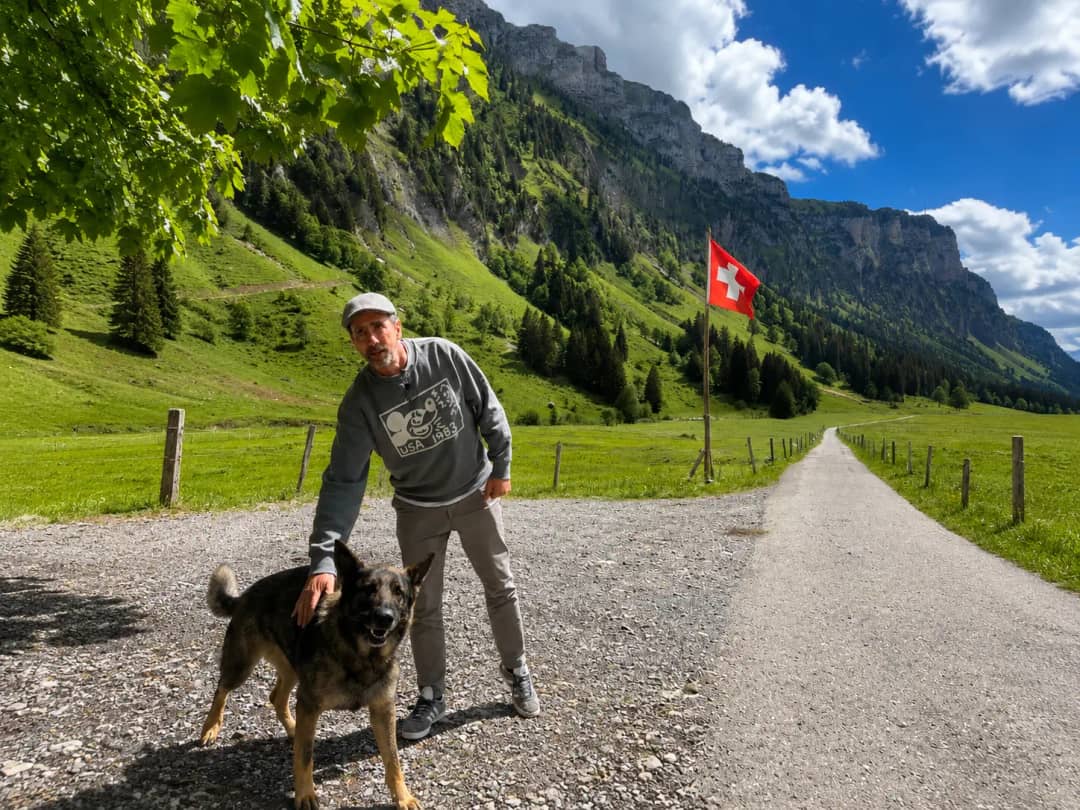
¿Qué animales viven en la alp además de las vacas lecheras?
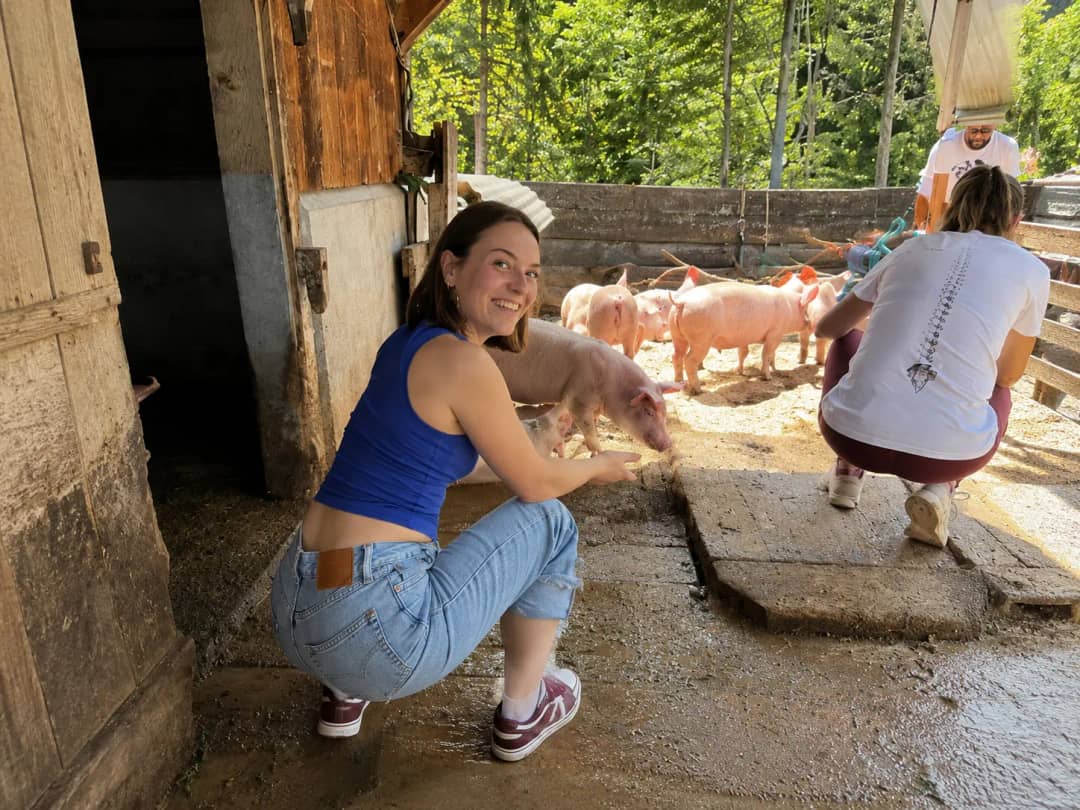
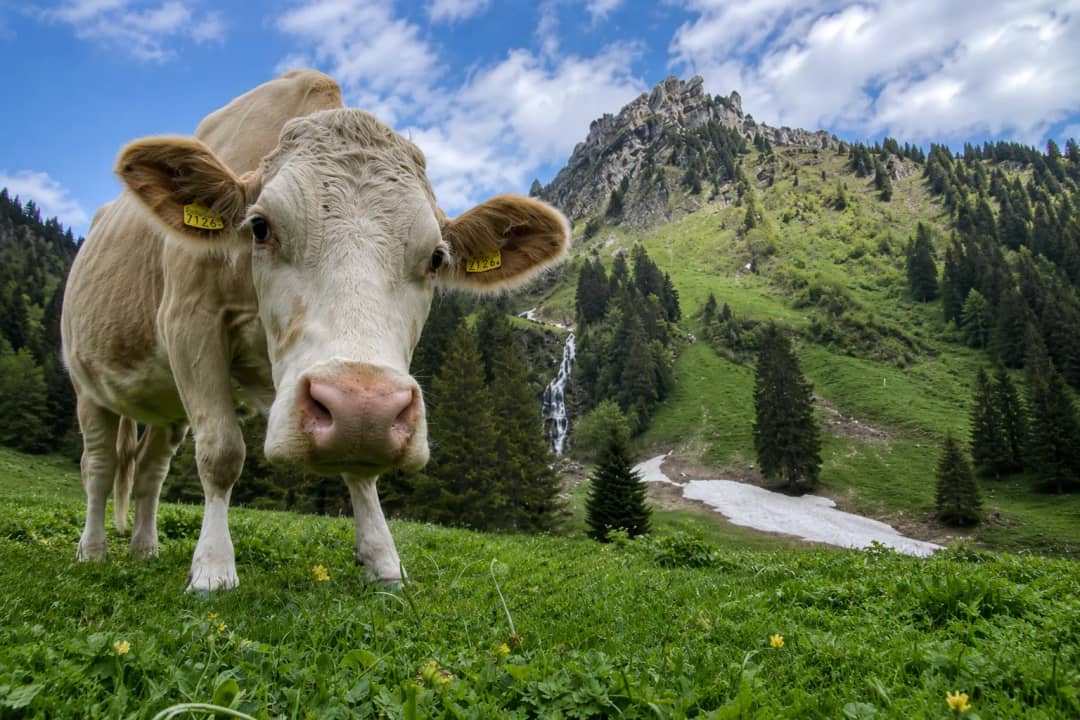
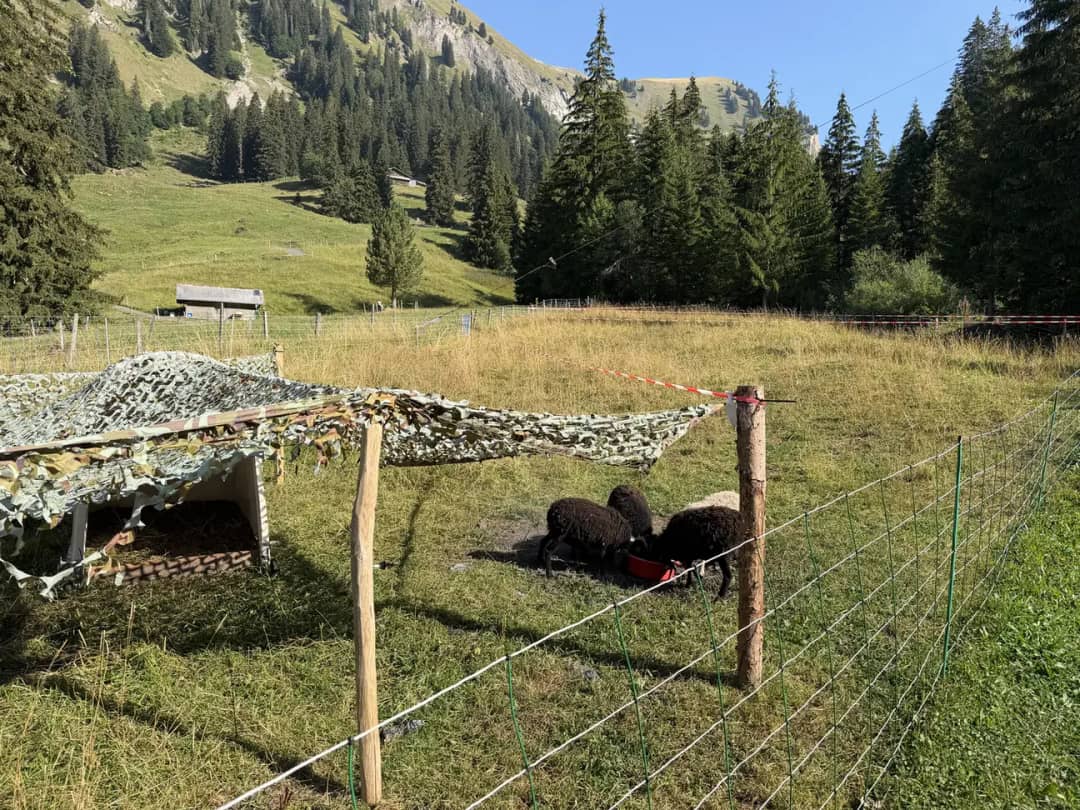
"Una alp en activo no es una explotación de una sola especie. Tenemos cerdos, porque el suero de la quesería tiene que ir a algún sitio útil y los cerdos son la respuesta tradicional. Tenemos cabras y ovejas, y gallinas para los huevos. También hay un perro, que no es decorativo. Las vacas Brown Swiss son el centro de todo aquí. Es una raza muy antigua, bien adaptada a la altitud y a los cambios de temperatura de un verano de montaña. Al final de un verano, conoce a cada vaca una por una. Sus humores, sus ritmos. Nota cuando algo no va antes de que aparezca cualquier otra señal."
Teona le preguntó a un granjero: «¿Por qué tantos alpes tienen cerdos?»
«Por el suero. Al hacer queso sobra mucho, y los cerdos se llevan lo que queda. En un alpe en activo no se desperdicia nada.»
Teona Gvasalia, su guía alpina en Swiss Local Adventures
¿Qué sirve de desayuno en la granja?
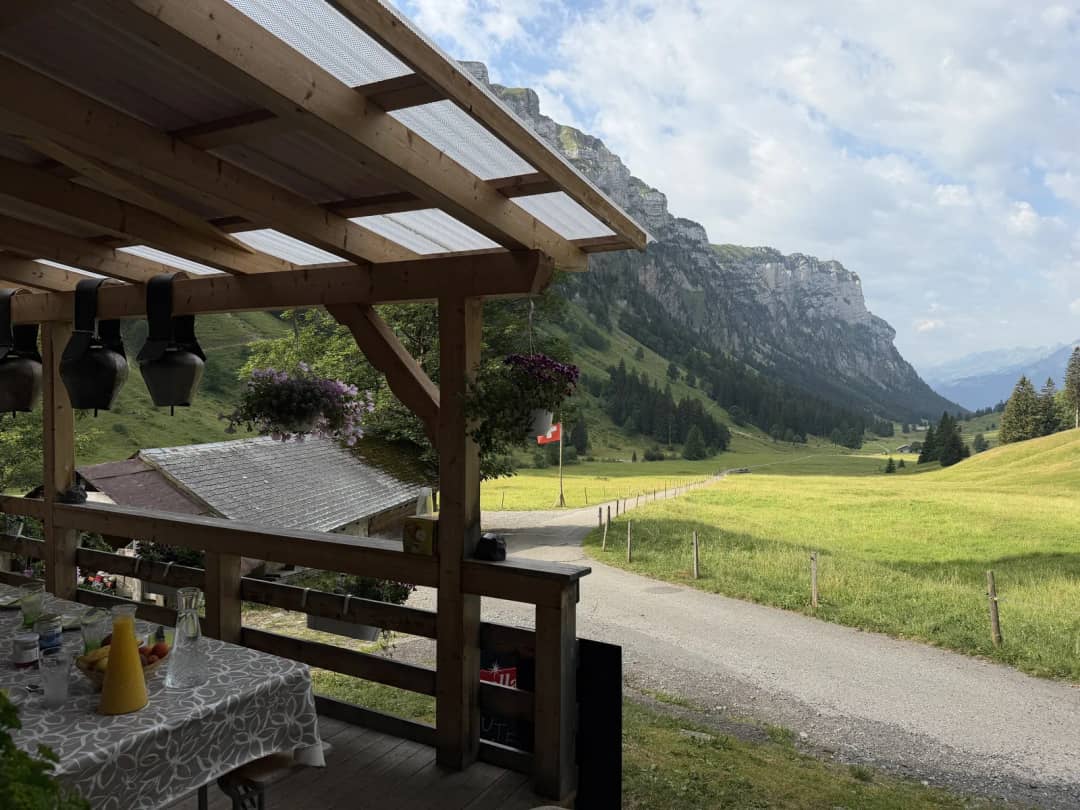
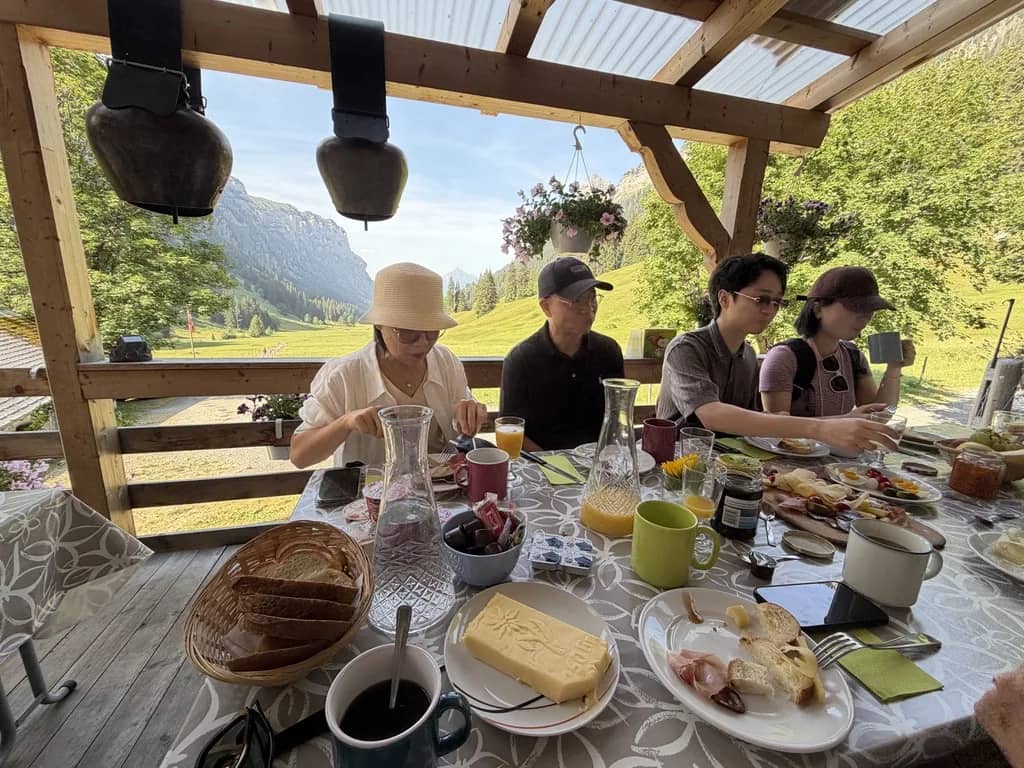
El desayuno va primero, hacia las nueve, poco después de que lleguen los invitados y una hora antes de la elaboración del queso.
Si quiere saber con detalle qué llega a la mesa, desde el queso de la cava hasta la mantequilla que cambia de color con el pasto, nuestro artículo sobre el desayuno en una granja alpina repasa cada producto y explica de dónde sale.
Teona dice: «Guarde sus preguntas grandes para la mesa del desayuno. En la caldera explica mientras trabaja. En la mesa por fin hay tiempo para las respuestas largas.»
Teona Gvasalia, su guía alpina en Swiss Local Adventures
"Todo lo que hay en la mesa viene de lo que se ve alrededor. El queso viene de la cava, con entre unos meses y más de un año de maduración. La mantequilla viene de las mismas vacas que ha visto en el pasto. El pan se hornea esa misma mañana. El yogur se hace con leche fresca. Las mermeladas son de aquí. Algo que los invitados notan a menudo es la mantequilla. Cambia según lo que pastaron las vacas el día anterior. Cuando están en las laderas de umbría, la mantequilla es de un amarillo más intenso y más aromática. Casi nadie ha probado una mantequilla que se mueva así."
Daniela
Más sobre cómo es la mesa y cómo se organiza la comida de la mañana: Alpine Farm Tour cerca de Interlaken, Suiza
Dato curioso: El Chästeilet está documentado en el Justistal desde 1739: al final de la temporada, el queso del verano se reparte según la leche que dieron las vacas de cada familia.
¿Cómo se llega al Justistal?
"La carretera pasa por Beatenberg, y los invitados aparcan en la misma granja. No hay caminata. Vienen familias, vienen personas mayores, vienen personas que no han hecho senderismo en su vida. Lo que sorprende más que el trayecto es el propio valle. El Justistal es uno de esos sitios que los mapas turísticos parecen saltarse. Algunos invitados me dicen que llegar a este valle es el momento en que por fin respiran después de días de turismo organizado."
Daniela
A los clientes de Swiss Local Adventures se les lleva en 35 minutos desde Interlaken West, por Beatenberg, directamente a la granja.
¿Qué es el Chästeilet y por qué importa?
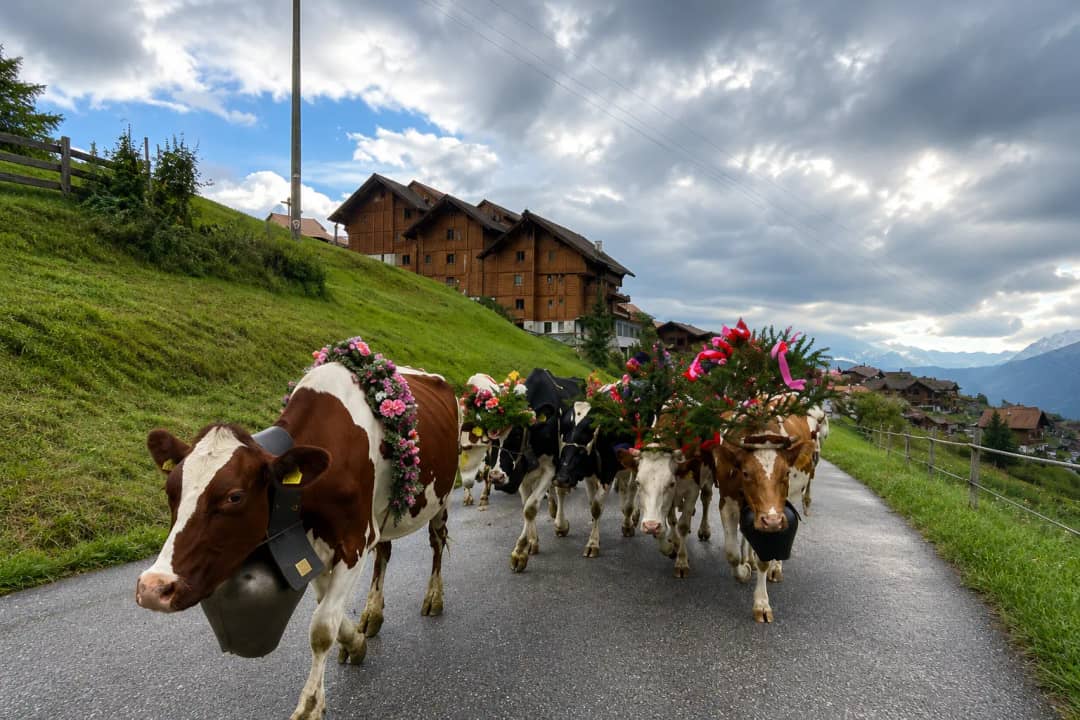
"El Chästeilet es el acto del final de la temporada de alp en el que el queso producido durante el verano se reparte entre las familias campesinas según la leche que aportó cada una de sus vacas. La tradición está documentada en el Justistal desde 1739, lo que la convierte en uno de los ejemplos registrados más antiguos de esta contabilidad alpina. Cada familia recibe una parte proporcional a lo que dieron sus animales. Es un cierre de cuentas, pero también una fiesta. Las vacas bajan adornadas con flores y grandes cencerros para el Alpabzug, el descenso. Para nosotros no es un acto turístico. Es el momento en que el verano termina oficialmente y la cooperativa cierra sus libros."
Daniela
Detalles y fechas: Chästeilet Justistal, Interlaken Tourismus
¿En qué se equivocan casi todos los visitantes al llegar?
"Esperan calma. Tienen en la cabeza la versión de postal: una escena de montaña tranquila, vacas mansas, todo colocado para la foto. La realidad es que la granja ya lleva media mañana cuando ellos llegan. No puedo parar el proceso para dar una charla. Así que explico mientras trabajo y los invitados me siguen. La gente se adapta rápido, normalmente en veinte minutos. Dejan de esperar la postal y empiezan a fijarse en lo que de verdad está pasando. Y al final de la mañana, quienes más se sorprendieron por el ritmo suelen ser quienes más preguntas hacen. Ese cambio es la parte que más me gusta."
Más de un invitado nos ha dicho después que fue lo mejor de su viaje por Europa. No por el paisaje. Por un martes por la mañana que les dio una mirada distinta sobre la vida suiza, distinta de todo lo que llevaban planeado.
Sus preguntas sobre Daniela y el Sigriswiler Bärgli
¿Cómo se llega al Sigriswiler Bärgli desde Interlaken?
La alp está en el Justistal, sobre Interlaken, a 1370 metros, y se llega por una carretera de montaña que pasa por Beatenberg. Los clientes de Swiss Local Adventures hacen 35 minutos de trayecto desde Interlaken West y aparcan en la granja, así que no hay caminata. El valle no tiene transporte público, y eso forma parte de lo que lo mantiene tranquilo.
¿Se puede visitar la granja sin reservar una excursión?
El Sigriswiler Bärgli es una granja privada en activo y no admite visitas sin reserva. La Farm Tour sale los martes y los jueves a las 8:00, con un máximo de ocho personas por sesión, a CHF 149 por persona, de mayo al 15 de septiembre.
¿Cuál es el mejor momento de la temporada para ir?
De junio a mediados de agosto la producción está en su punto álgido: la caldera funciona a diario, la cava se llena de ruedas nuevas y la granja está en plena actividad. Julio suele ser el mes más movido. A finales de agosto el ritmo empieza a bajar a medida que la temporada se acerca al Chästeilet.
¿Cuántas ruedas se producen y qué pasa con ellas?
348 ruedas por verano, vendidas en mercados locales, directamente en la granja y a hogares del valle. Ninguna entra en la distribución de supermercado. Los visitantes pueden comprar porciones allí mismo a unos CHF 20 por kilo. Más detalle sobre qué hace distinto a este queso: ¿Qué es el Alpkäse?
¿Pueden venir niños a la farm tour?
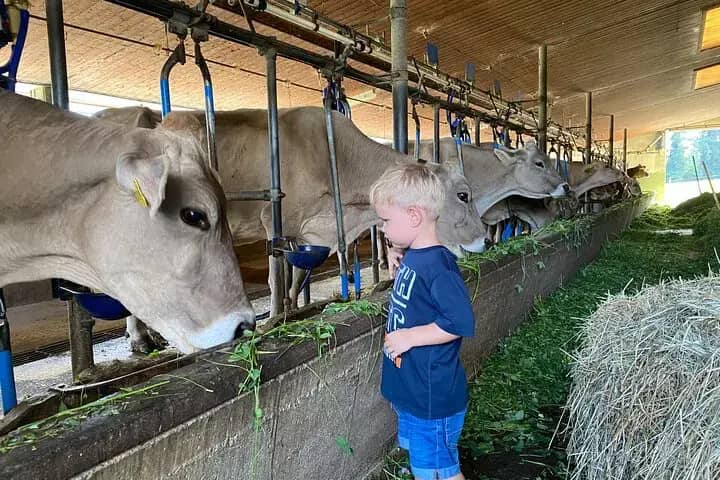
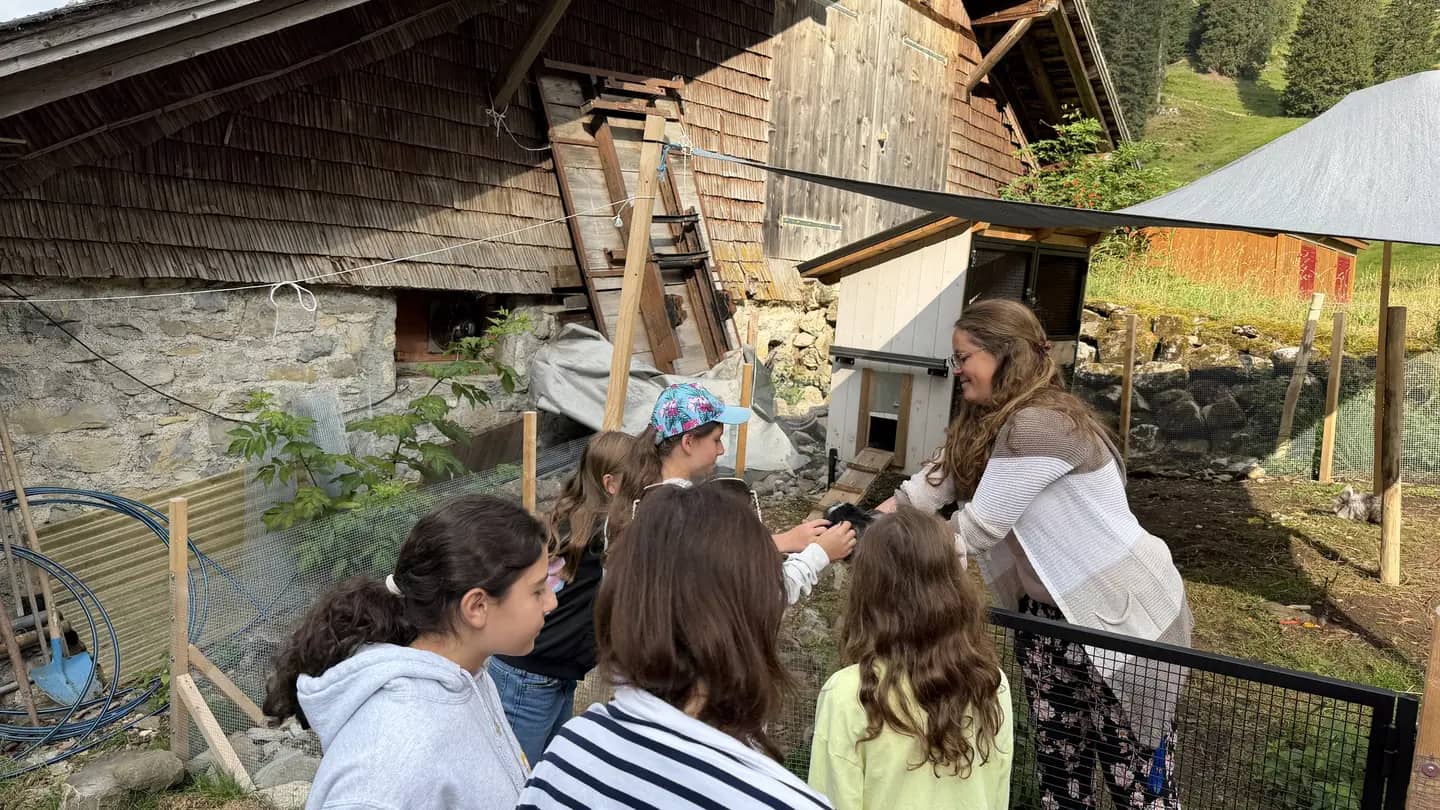
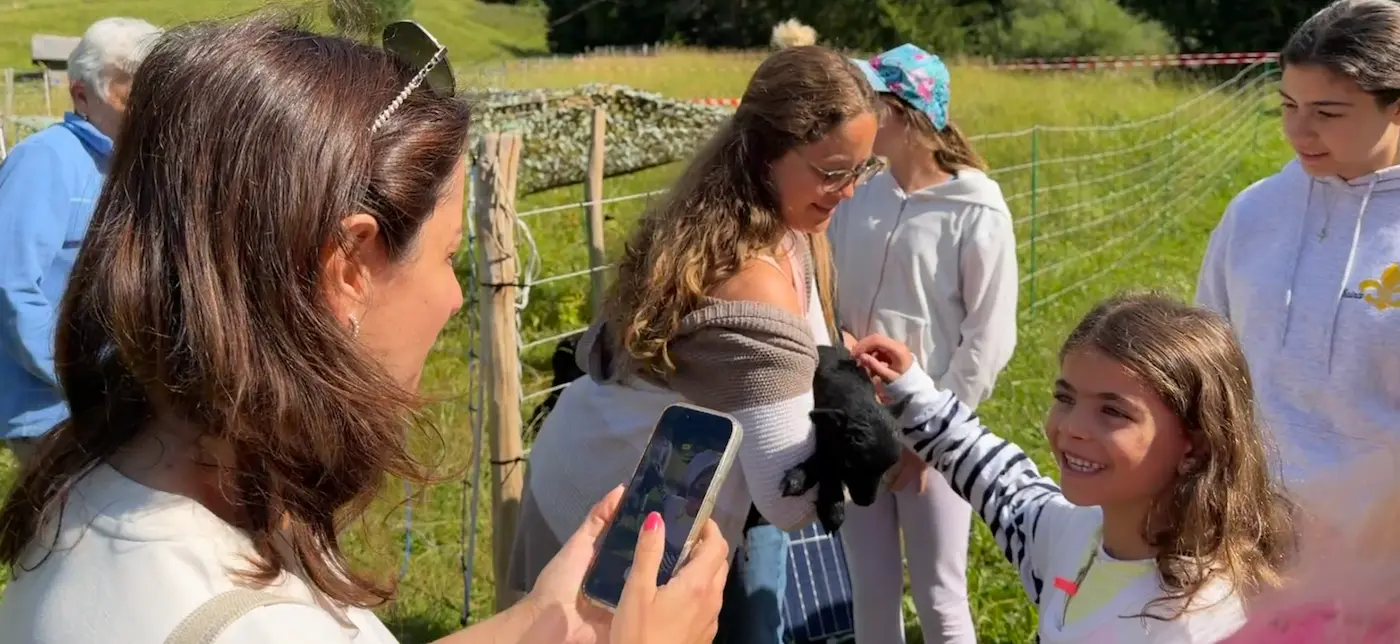
Sí. No hay caminata, porque aparcamos en la granja, y los más pequeños suelen engancharse en cuanto llegan. La granja tiene cabras, ovejas y gallinas además de las vacas lecheras, y los animales se dejan acercar. No hay edad mínima. Los padres supervisan en todo momento. Ver de cerca la elaboración del queso mantiene la atención de los niños, y el desayuno en la granja da a todos algo concreto con lo que terminar.
¿Qué ropa hay que llevar?
En una granja en activo el calzado cerrado es obligatorio. Nada de sandalias. Póngase ropa que no le importe manchar. A 1370 metros, una mañana de verano a las 8:00 puede ser bastante más fresca de lo que le pareció Interlaken la tarde anterior, así que lleve una capa de abrigo sea cual sea la previsión en el valle. El patio de la granja es irregular en algunos tramos. La lista completa de equipaje: What to Wear on the Farm Tour.
Calzado, capas y lo que conviene dejar en el hotel: nuestra guía sobre qué llevar a una granja suiza repasa la mañana en la alp de Daniela punto por punto para que prepare la mochila la noche anterior.
¿Vale la farm tour CHF 149?
Para quien quiere una experiencia fuera del circuito habitual de Interlaken, sí. CHF 149 cubren el transporte de ida y vuelta desde Interlaken, el acceso exclusivo a una alp privada en activo que no admite visitas sin reserva, la elaboración real del queso de Daniela, vista de cerca, un desayuno de granja hecho con productos de la propia granja y un máximo garantizado de ocho personas. El grupo reducido no es un detalle de marketing: Daniela no puede sacar adelante una mañana de producción real con una multitud. Reservar directamente con Swiss Local Adventures evita la comisión añadida de las OTA. El desglose completo: Is the Farm Tour Worth CHF 149?.
Venga antes de que cierre la temporada
La Farm Tour funciona hasta el 15 de septiembre. Ocho personas como máximo, dos veces por semana, con salida temprana. Si quiere entender cómo se juntan 348 ruedas de queso en un solo verano, este es el sitio por donde empezar.
Lea también: ¿Qué es el Alpkäse? y What to Wear on the Farm Tour
*Escrito por Teona Gvasalia, su guía alpina en Swiss Local Adventures
Fuente:
entrevista con Daniela en el Justistal, 2026.
Etiquetas
#farm-tour-interlaken#swiss-dairy-farm#alpine-cheese#swiss-alpine-cheese#bernese-oberland#justistal#cheese-farm-interlaken#interlaken-activities#alp-sigriswiler
Fuentes y Referencias
Compartir este artículo
Artículos Similares
Continúe leyendo con estos artículos relacionados
Farm Tour
17/8/2026
6 min
Chästeilet del Justistal 2026: queso repartido a sorteo
Descubra el Chästeilet del Justistal del 18 de septiembre de 2026: la fecha, cómo llegar sin coche y lo que no cuenta ninguna web oficial.
farm-tour-interlakenswiss-dairy-farmalpine-cheese
Por Teona GvasaliaLeer Más
Farm Tour
4/8/2026
6 min
Tour de granja en Interlaken: de 8 a 12 del mediodía
Siga el horario completo de nuestra mañana en la granja alpina, desde la recogida a las 08:00 en Interlaken West hasta volver cerca del mediodía.
farm-tour-interlakenswiss-dairy-farmalpine-cheese
Por Teona GvasaliaLeer Más
Farm Tour
22/7/2026
5 min
Farm tour con niños en Interlaken: guía para padres
Descubra el farm tour con niños: sin edad mínima, sin ninguna caminata hasta la granja, silla infantil a petición y un desayuno que todos acaban.
farm-tour-interlakenswiss-dairy-farminterlaken-with-kids
Por Teona GvasaliaLeer Más